Electro Plating, High-Purity Solvents

1, 4-Butynediol (BOZ)

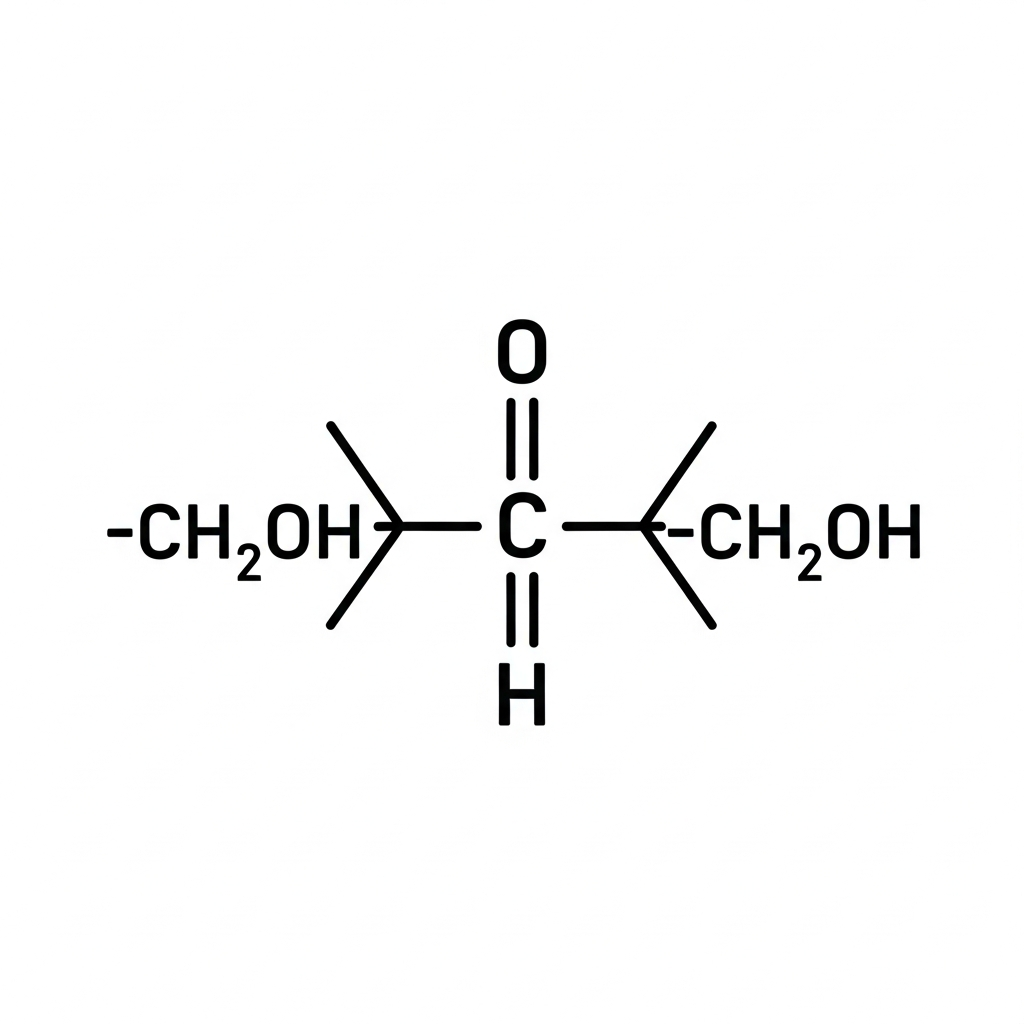
2-Butyne-1,4-diol, commonly known as butynediol or BOZ, is a vital organic compound with the chemical formula C4H6O2. This alkyne-functionalized diol is synthesized via the Reppe process, involving the reaction of acetylene with formaldehyde under high pressure. As a white to yellowish crystalline solid, it serves as a multifaceted intermediate in industrial chemistry. Its molecular structure features a triple bond flanked by two primary hydroxyl groups, providing exceptional reactivity for hydrogenation, halogenation, and polymerization. Butynediol is primarily utilized as a precursor for 1,4-butanediol and butenediol, which are critical in producing plastics, fibers, and pharmaceuticals. Beyond its role as a building block, it functions effectively as a corrosion inhibitor in acidic environments and a brightening agent in electroplating processes. Its high solubility in water and alcohols makes it versatile for liquid-phase reactions. Safety protocols are essential during handling due to its toxicity and potential for exothermic decomposition when contaminated or heated excessively.

Attributes

Key Features and Benefits

  • High chemical reactivity due to the internal triple bond and terminal hydroxyl groups.
  • Effective corrosion inhibition across various acidic industrial cleaning and pickling applications.
  • Superior grain-refining capabilities when used as a brightener in nickel and copper electroplating.
  • High purity levels ensure consistent performance in sensitive pharmaceutical and agrochemical syntheses.
  • Excellent solubility in polar solvents facilitates easy formulation in aqueous and organic systems.
  • Acts as a versatile intermediate for specialized cross-linking agents and polymer modifiers.
  • Enhances the durability and finish of metal coatings through controlled deposition.
  • Thermally stable under proper storage conditions for industrial longevity. Provides reliable results for manufacturers worldwide.
Specifications

Technical Highlights

  • IUPAC Name: 2-butyne-1,4-diol; CAS Number: 110-65-6; Chemical Formula: C4H6O2.
  • Molecular weight approximately 86.09 g/mol with a melting point of 58 degrees Celsius.
  • Boiling point of 238 degrees Celsius at atmospheric pressure; flashes at 152 degrees.
  • Exhibits high solubility in water (up to 3740 g/L at 25 degrees).
  • Undergoes catalytic hydrogenation to form butenediol or saturated 1,4-butanediol under hydrogen.
  • Reacts with halogens to produce halogenated diols via addition to the alkyne bond.
  • Subject to dehydration reactions for forming furan derivatives in specific catalytic environments.
  • Vapor pressure remains low, minimizing inhalation exposure risks during industrial processing. Ensures safety and efficacy in production.

Download Technical Data Sheet (TDS)

Practical industry uses

Applications

  • Electroplating industry: Vital brightening agent and grain refiner for nickel, copper, and tin plating.
  • Chemical Synthesis: Key intermediate for producing 1,4-butanediol, 2-butene-1,4-diol, and various specialized heterocyclic compounds.
  • Metallurgy: Effective acid pickling inhibitor to prevent metal dissolution during rust removal and cleaning cycles.
  • Pharmaceuticals: Building block in the synthesis of vitamin B6, various antimicrobial agents, and herbicides.
  • Textile Auxiliaries: Used in the manufacture of brighteners and finishing agents for synthetic fibers and fabrics.
  • Petroleum Industry: Employed as an additive in oil well acidizing to protect tubing from corrosive damage.
  • Polishing compounds: Component in metal cleaning formulations. Essential for diverse modern industries.
Key Sectors

Target Industries

Discover more

Related products

Key Sectors

We’re Here to Support Your Chemical Sourcing Needs

Have a question or need a quote? Our team is here to help with product details, pricing, and global delivery options.

Send a message to us

Your email address will not be published. Required fields are marked *