High-Purity Solvents, Water Treatments

1-Hydroxyethylidene-1,1-Diphosphonic Acid (HEDP)

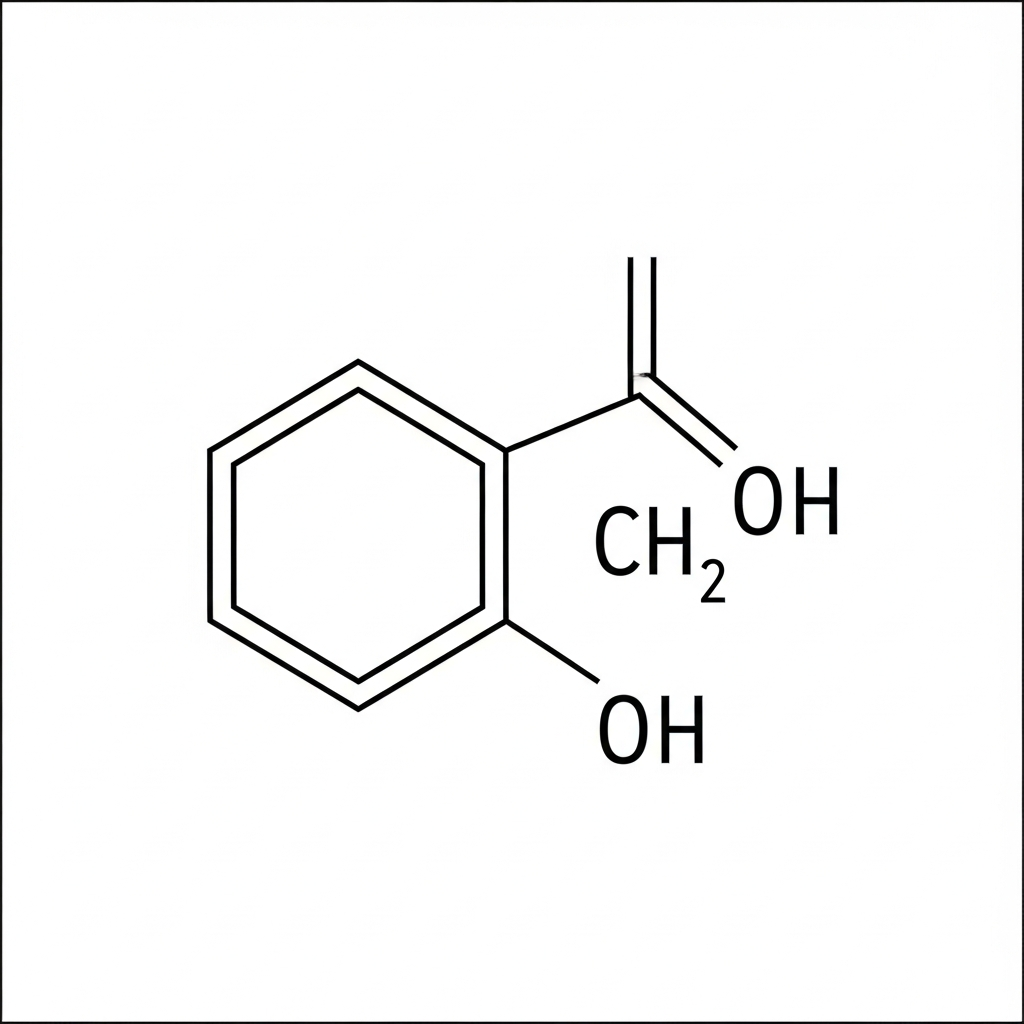
1-Hydroxyethylidene-1,1-Diphosphonic Acid, commonly known as HEDP (CAS No. 2809-21-4), is an organophosphoric acid derivative that serves as a high-performance scale and corrosion inhibitor. Unlike inorganic polyphosphates, HEDP exhibits exceptional chemical stability and resistance to hydrolysis under high-temperature and high-pH conditions. Its molecular structure contains two phosphonic acid groups, which allow it to form stable hexadentate chelates with multivalent metal ions, particularly calcium, magnesium, iron, and zinc.

A defining characteristic of HEDP is its “threshold effect,” where it effectively inhibits the precipitation of scale-forming salts at concentrations significantly lower than stoichiometric requirements. This makes it an essential component in industrial water treatment. Furthermore, HEDP acts as a powerful sequestering agent in textile and detergent industries, preventing metal-catalyzed degradation of bleaching agents. Its versatility is bolstered by its ability to dissolve oxidized metal surfaces, making it a critical ingredient in industrial descaling and metal finishing processes.

Attributes

Key Features and Benefits

  • Superior Scale Inhibition: Demonstrates a high threshold effect against calcium carbonate, calcium sulfate, and barium sulfate scales.
  • High Thermal Stability: Maintains efficacy at temperatures up to 250°C, far exceeding the limits of traditional polyphosphates.
  • Robust Chelation: Readily forms stable complexes with Fe, Cu, and Zn ions, effectively softening water and preventing metal interference in chemical processes.
  • Corrosion Inhibition: Acts as a cathodic corrosion inhibitor, especially when used in synergistic formulations with zinc salts or phosphates.
  • Chemical Resilience: Exhibits high resistance to oxidative degradation from chlorine and other oxidizing biocides.
  • Hydrolytic Stability: Does not easily degrade into orthophosphate in aqueous environments, ensuring long-term system protection.
Specifications

Technical Highlights

  • Molecular Formula: C_2H_8O_7P_2 | Molecular Weight: 206.03 g/mol.
  • Physical States: Available as a 60% aqueous solution (clear, colorless to pale yellow) or as a high-purity crystalline powder (90%+).
  • pH Efficacy: Operates efficiently across a wide pH range, though its scale inhibition properties are most pronounced in alkaline environments.
  • Solubility: Highly soluble in water, alcohols, and various polar solvents.
  • Concentration Profile: Typically utilized in water systems at dosages of 1–10 mg/L for scale inhibition and 10–50 mg/L for corrosion inhibition.
  • Decomposition: While thermally stable, it will undergo thermal decomposition at temperatures exceeding 250°C, releasing phosphoric acid vapors.

Download Technical Data Sheet (TDS)

Practical industry uses

Applications

  • Industrial Water Treatment: Used extensively in circulating cooling water systems, boiler water, and oilfield injection water to prevent scale buildup.
  • Textile Industry: Employed as a chelating agent and metal stabilizer in peroxide bleaching and dyeing processes to prevent fabric damage.
  • Cleaning Agents: Integrated into industrial and institutional detergents to sequester hardness ions and improve surfactant efficiency.
  • Metal Surface Treatment: Utilized as a non-cyanide complexing agent in electroplating and as a cleaning agent for metal oxides.
  • Daily Chemicals: Acts as a stabilizer in cosmetic formulations and high-end liquid detergents to prevent oxidation and discoloration caused by trace metals.
  • Sugar Refining: Used as a scale inhibitor in evaporators during the sugar manufacturing process.
Key Sectors

Target Industries

Discover more

Related products

Key Sectors

We’re Here to Support Your Chemical Sourcing Needs

Have a question or need a quote? Our team is here to help with product details, pricing, and global delivery options.

Send a message to us

Your email address will not be published. Required fields are marked *