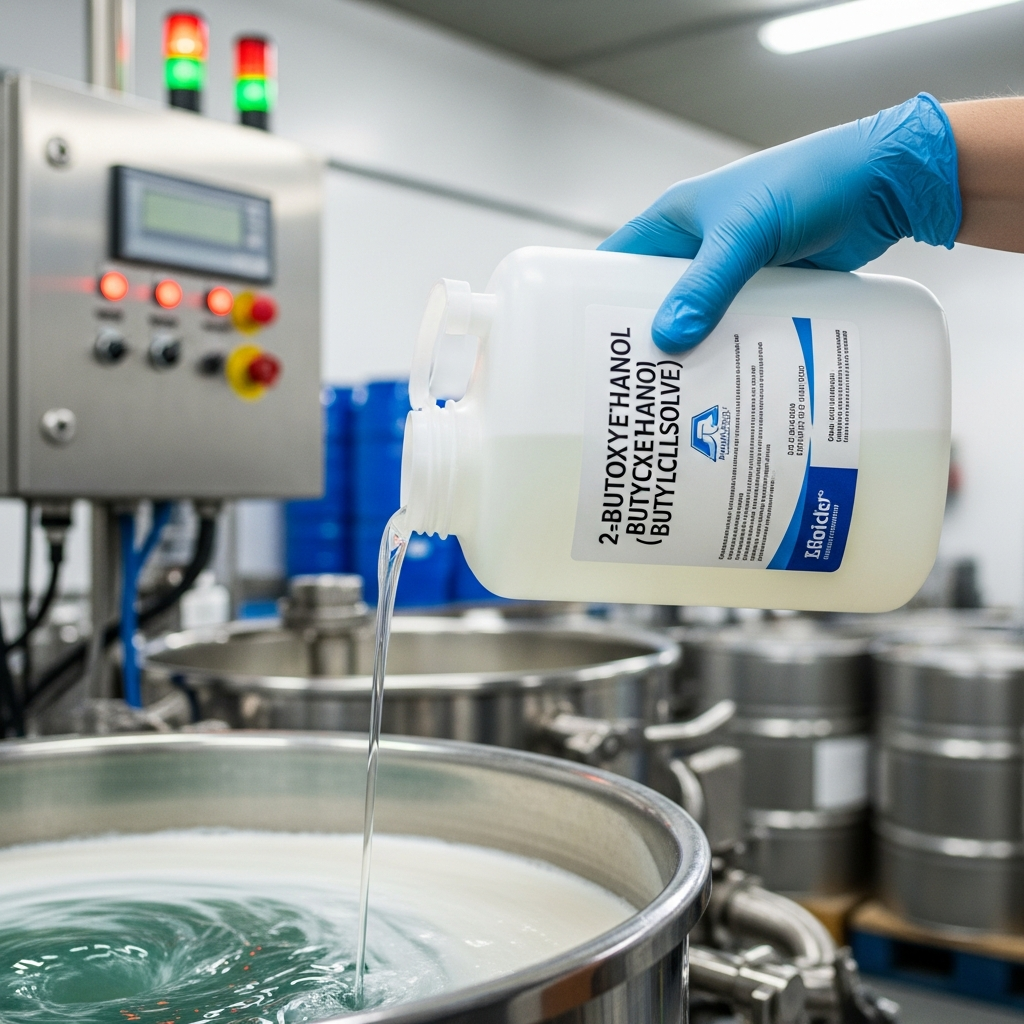
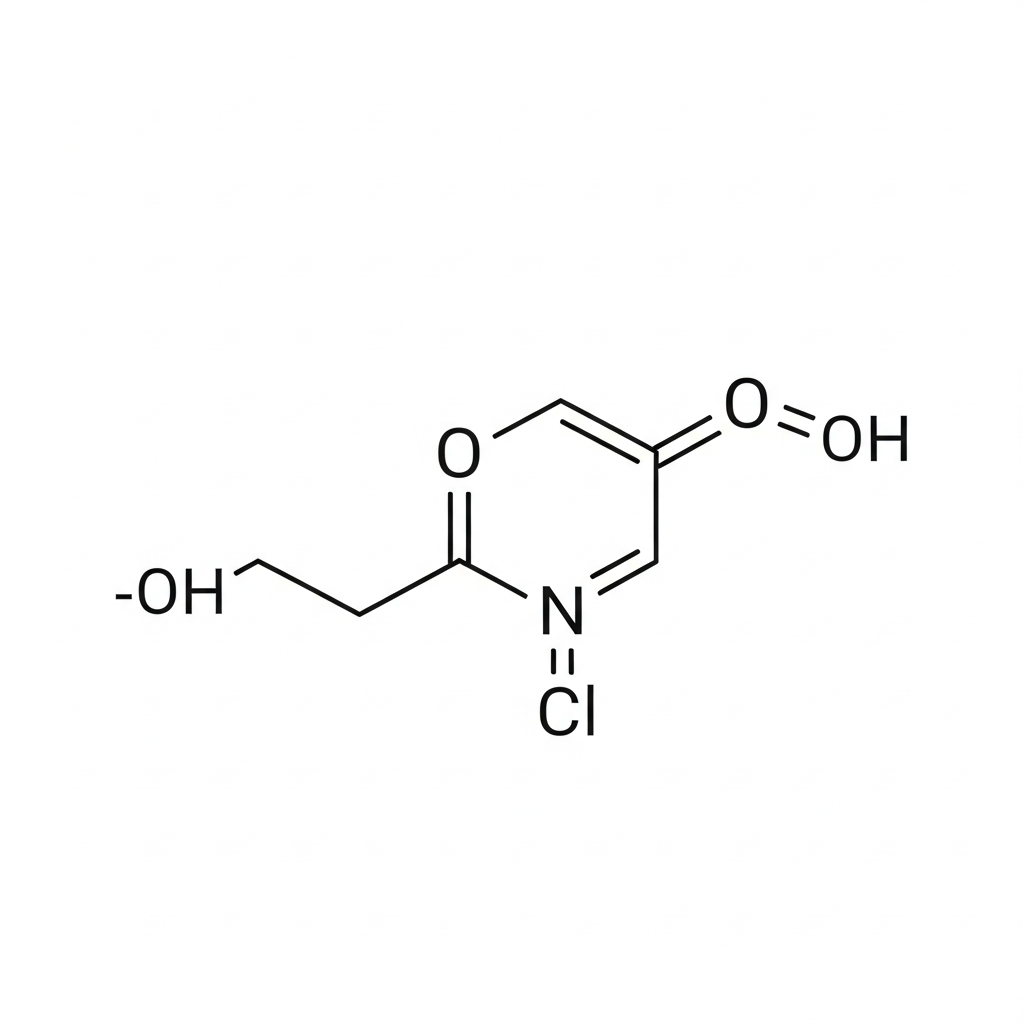
2-Butoxyethanol (Butyl Cellosolve)
Alcohol, High-Purity Solvents

2-Butoxyethanol (Butyl Cellosolve)

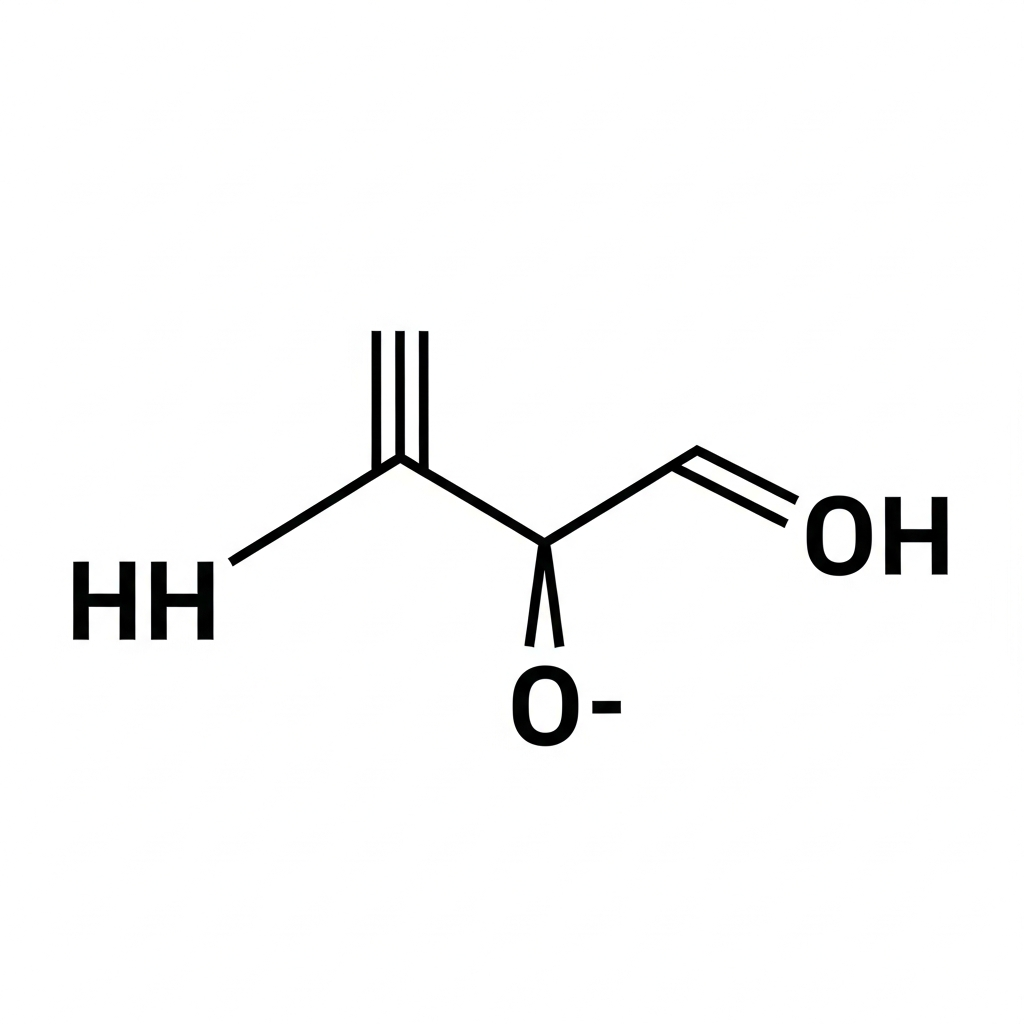
2-Butoxyethanol, widely known by its trade name Butyl Cellosolve, is a versatile organic solvent with the chemical formula C6H14O2 and CAS number 111-76-2. As a glycol ether, it features a unique molecular structure containing both ether and alcohol functional groups, granting it amphiphilic properties. This clear, colorless liquid is characterized by a mild, ether-like odor and is completely miscible with water and a broad range of organic solvents. Produced commercially by the reaction of ethylene oxide with n-butanol, it is highly valued for its high boiling point, low volatility, and excellent solvency for resins, oils, and waxes. Its ability to act as a coupling agent makes it indispensable in the formulation of water-reducible coatings and industrial cleaning agents. By stabilizing heterogeneous mixtures and improving flow characteristics, 2-Butoxyethanol ensures high performance in demanding industrial applications while meeting technical specifications for chemical stability and compatibility.

Attributes

Key Features and Benefits

  • Superior Coupling Ability: Bridges the solubility gap between water and organic solvents, creating stable emulsions.
  • Enhanced Film Formation: Functions as an effective coalescing agent, improving the durability and finish of latex paints.
  • High Solvency Power: Dissolves a wide variety of resins, including alkyds, epoxies, and nitrocellulose.
  • Controlled Evaporation: Features a low evaporation rate that enhances flow and leveling in surface coatings.
  • Surface Tension Reduction: Lowers the surface tension of liquids, facilitating superior wetting and penetration of substrates.
  • High Flash Point: Offers a safer profile compared to lower molecular weight alcohols and ethers.
Specifications

Technical Highlights

  • Chemical Formula: C6H14O2.
  • Molecular Weight: 118.17 g/mol.
  • CAS Registry Number: 111-76-2.
  • Boiling Point: 171 degrees Celsius at 760 mmHg.
  • Specific Gravity: 0.901 at 20 degrees Celsius.
  • Vapor Pressure: 0.8 mmHg at 20 degrees Celsius.
  • Evaporation Rate: 0.07 relative to n-Butyl Acetate (1.0).
  • Water Solubility: 100 percent miscible at room temperature.
  • Flash Point: 67 degrees Celsius (Tag Closed Cup).
  • Refractive Index: 1.419 at 20 degrees Celsius.
  • Viscosity: 2.9 cP at 25 degrees Celsius.
  • Purity: Typically 99.0 percent minimum.
  • Auto-ignition Temperature: 238 degrees Celsius.

Download Technical Data Sheet (TDS)

Practical industry uses

Applications

  • Electrical and electronics
  • Connectors, switches, PCB housings, terminal blocks
  • Automotive
  • Under-hood components, interior assemblies, cable conduits
  • Wire and cable
  • Insulation layers, sheathing, jacketing materials
  • Construction
  • Plastic fittings, conduits, insulation panels
  • Consumer appliances
  • Enclosures, adapters, plugs, casings
  • Industrial components
  • Fiber-reinforced composites, flame-retardant masterbatches
  • Compatible polymers
  • PA6, PA66
  • PBT, PET
  • PE, PP
  • Blends and copolymers requiring halogen-free flame retardancy
Key Sectors

Target Industries

Discover more

Related products

Key Sectors

We’re Here to Support Your Chemical Sourcing Needs

Have a question or need a quote? Our team is here to help with product details, pricing, and global delivery options.

Send a message to us

Your email address will not be published. Required fields are marked *