High-Purity Solvents, Water Treatments

2-Hydroxy Phosphonoacetic Acid (HPAA)

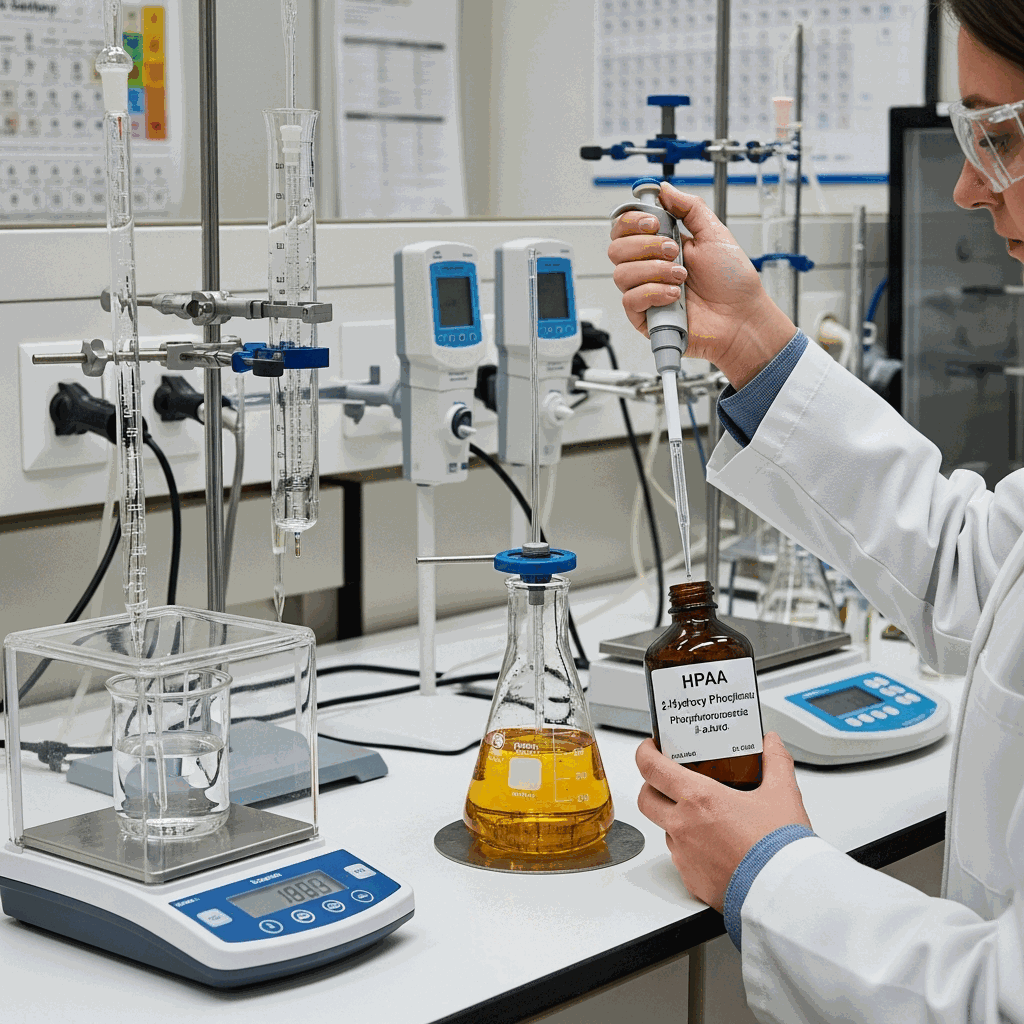
2-Hydroxy Phosphonoacetic Acid (HPAA), identified by CAS Registry Number 23783-26-8, is a high-performance organic phosphonic acid primarily utilized as a cathodic corrosion inhibitor and scale control agent in aqueous systems. Chemically, HPAA is characterized by its high stability and resistance to hydrolysis, even under extreme pH and temperature conditions. Unlike traditional phosphonates that primarily target scale, HPAA is exceptionally effective at forming a robust protective film on carbon steel surfaces, making it a preferred choice for cooling water systems with high corrosive potential.

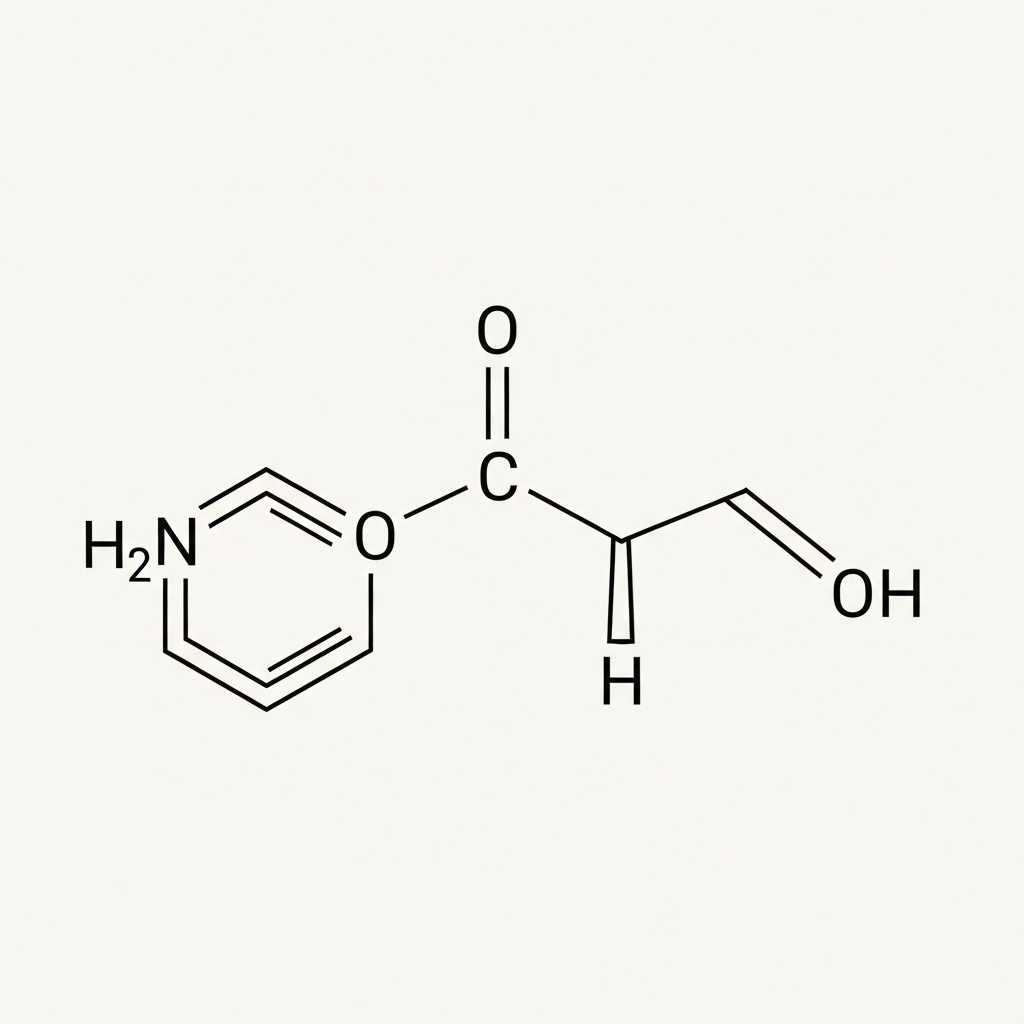
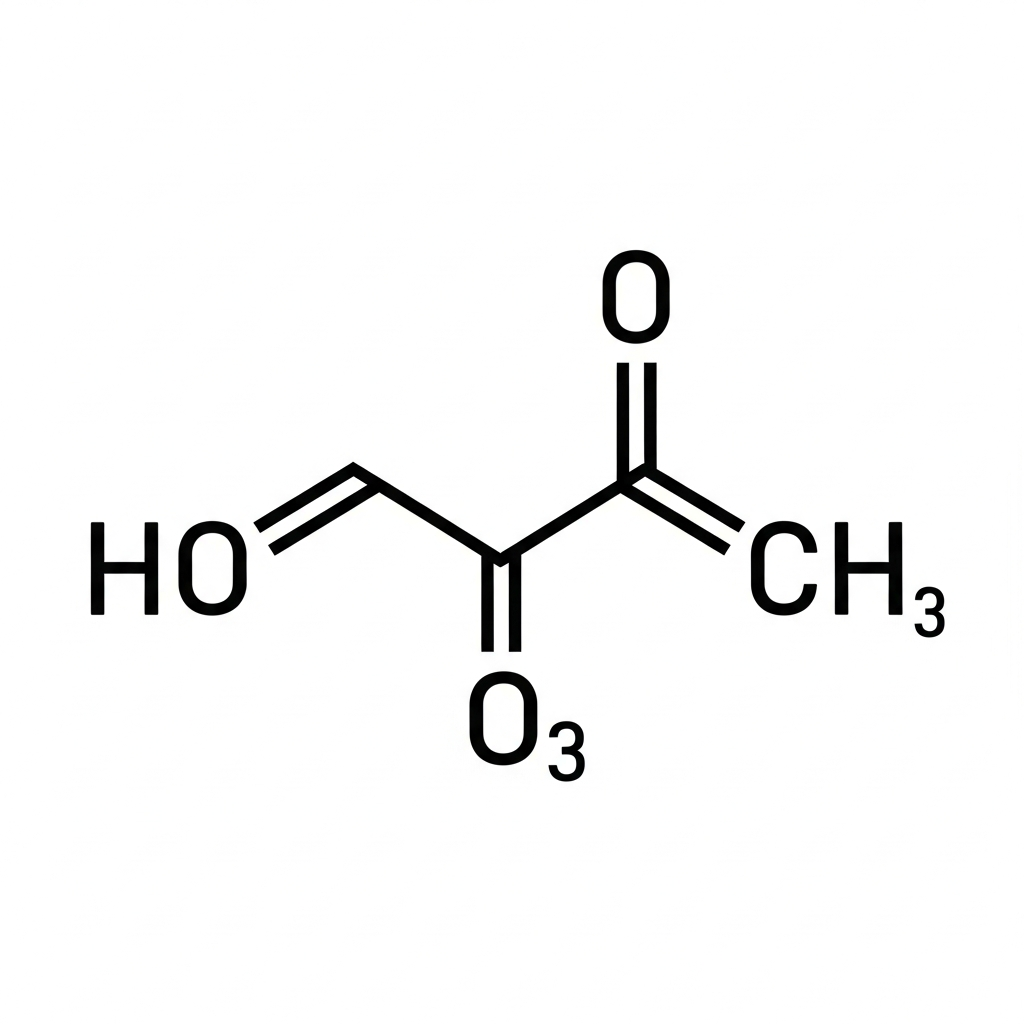
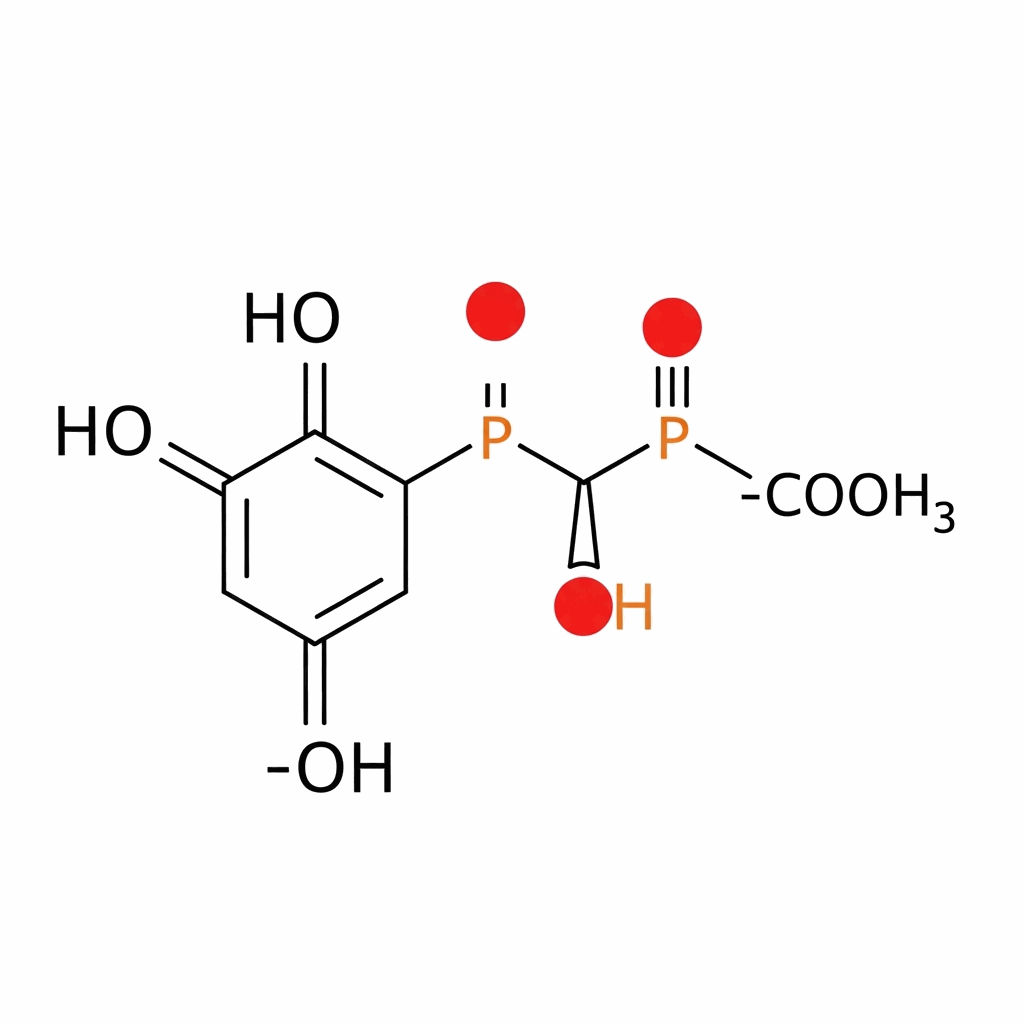
Its molecular structure, containing both phosphonic and carboxylic acid groups alongside a hydroxyl group, allows it to chelate metal ions effectively. One of its standout features is its efficacy in soft water or low-hardness environments where other inhibitors often fail. HPAA is frequently used in synergistic formulations with zinc salts or other phosphonates to enhance corrosion protection. Furthermore, it exhibits a favorable environmental profile due to its low toxicity and relatively low phosphorus contribution compared to inorganic phosphates.

Attributes

Key Features and Benefits

  • Superior Corrosion Inhibition: Specifically targets carbon steel by forming a dense, protective cathodic film, significantly reducing pitting and uniform corrosion.
  • Excellent Chemical Stability: Highly resistant to hydrolysis and thermal degradation, ensuring long-term efficacy in high-temperature circulating systems.
  • Low Hardness Performance: Remains effective in “soft water” environments where calcium carbonate levels are insufficient for other inhibitors to function.
  • Threshold Scale Inhibition: Prevents the precipitation of common scales, such as calcium carbonate and calcium sulfate, through crystal lattice distortion.
  • Synergistic Compatibility: Works excellently in combination with zinc salts, molybdates, and polymeric dispersants to provide comprehensive system protection.
  • Chlorine Stability: Demonstrates better resistance to oxidizing biocides like chlorine compared to many other organic phosphonates.
Specifications

Technical Highlights

  • Molecular Formula: C2H5O6P (Molecular Weight: 156.03).
  • Active Content: Typically supplied as a 50% aqueous solution.
  • Physical Properties: Appears as a clear, dark brown or amber liquid with a specific gravity of approximately 1.30–1.40 at 20°C.
  • pH Profile: Highly acidic; a 1% aqueous solution typically maintains a pH of < 2.0.
  • Chelation Capacity: Exhibits strong sequestering power for Fe3+, Cu2+, and Zn2+ ions, preventing metal ion-induced catalysis of oxidative processes.
  • Environmental Impact: Lower phosphorus loading compared to inorganic polyphosphates, assisting in compliance with stringent effluent discharge regulations.
  • Storage Stability: Stable for at least 12 months when stored in original UV-resistant, plastic containers.

Download Technical Data Sheet (TDS)

Practical industry uses

Applications

  • Industrial Cooling Water: Primary corrosion inhibitor for open and closed recirculating cooling systems in power plants and refineries.
  • Oilfield Water Treatment: Used in water injection systems to prevent corrosion of sub-surface equipment and pipelines.
  • Iron and Steel Production: Applied in the cooling systems of blast furnaces and rolling mills where high thermal loads are present.
  • Metal Surface Treatment: Utilized as a cleaning agent and stabilizer in metal finishing and phosphating processes.
  • Textile Industry: Acts as a peroxide stabilizer and sequestering agent during bleaching and dyeing operations.
  • Boiler Systems: Employed in low-pressure boiler water treatment to minimize sludge buildup and internal metallic corrosion.
Key Sectors

Target Industries

Discover more

Related products

Key Sectors

We’re Here to Support Your Chemical Sourcing Needs

Have a question or need a quote? Our team is here to help with product details, pricing, and global delivery options.

Send a message to us

Your email address will not be published. Required fields are marked *