Acrylates, High-Purity Solvents

2-Hydroxypropyl Methacrylate (HPMA)

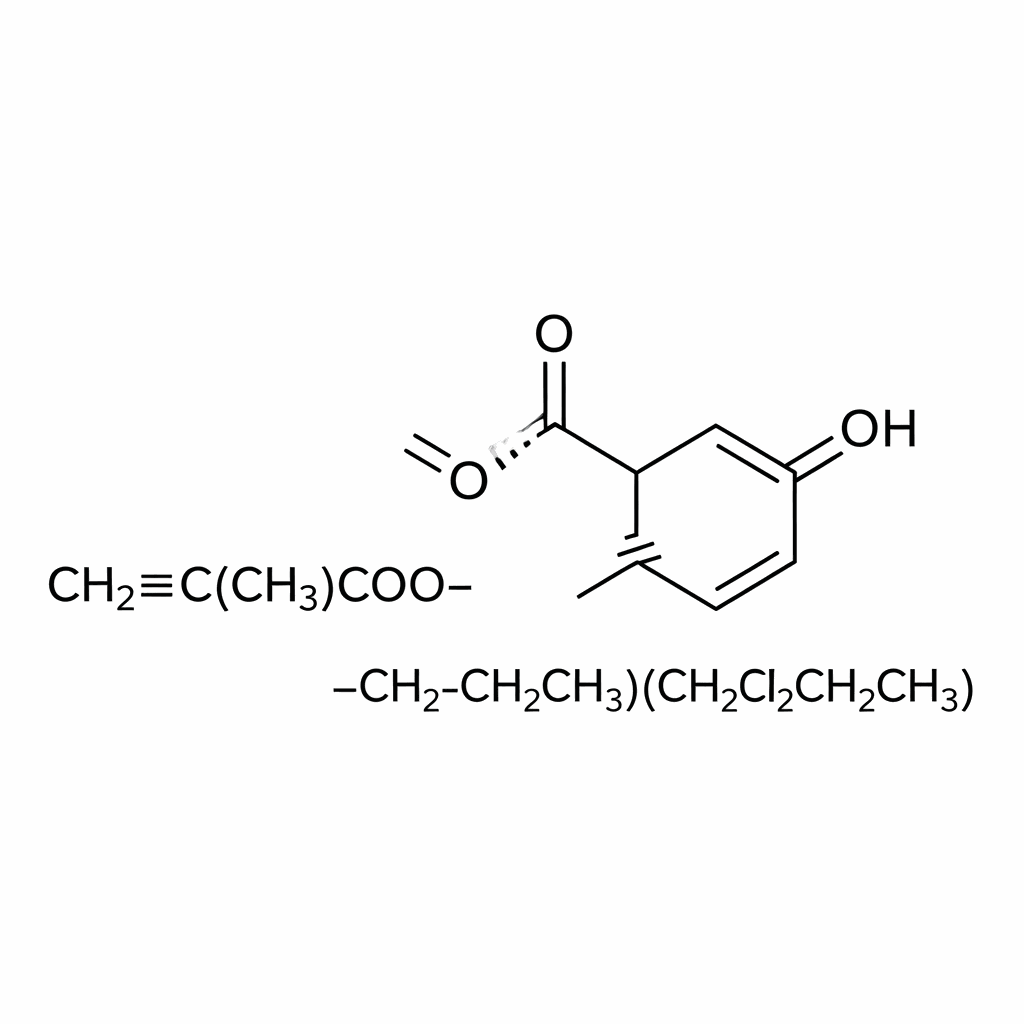
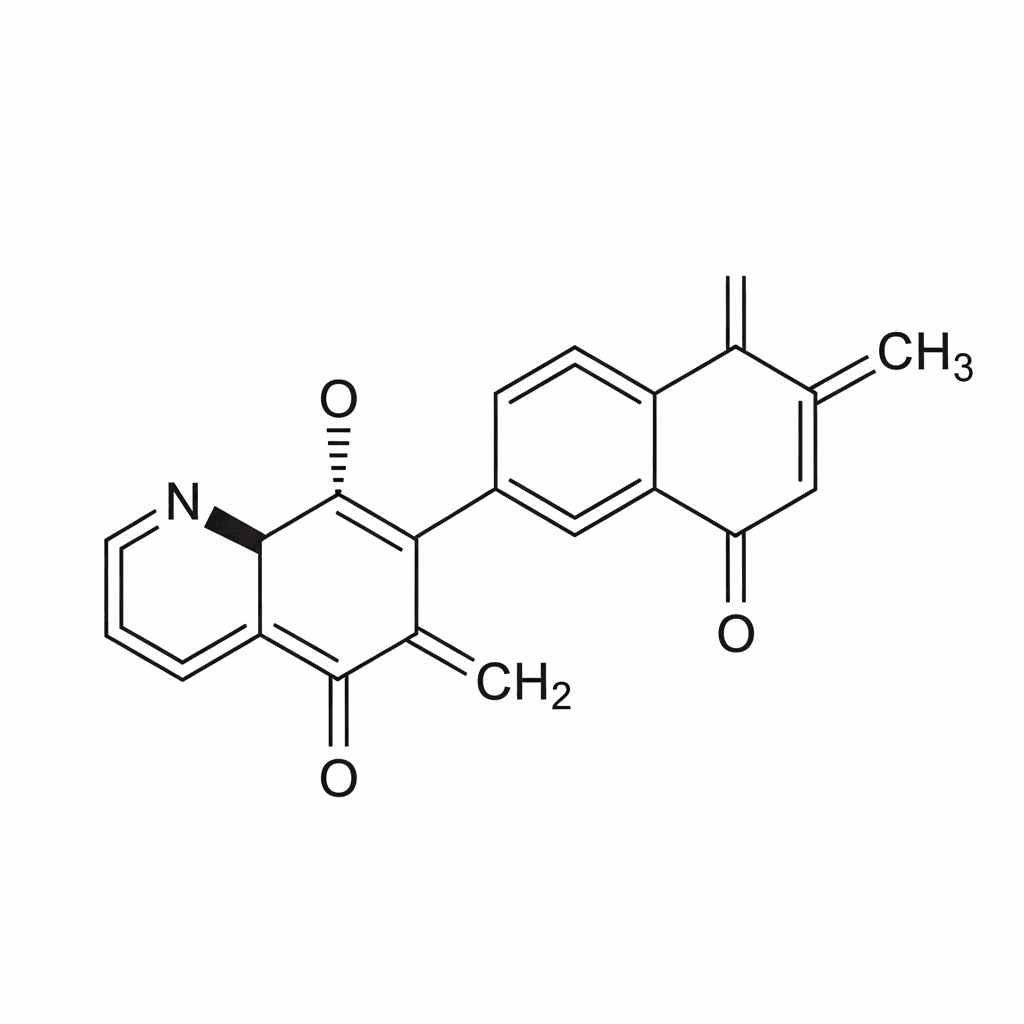
2-Hydroxypropyl Methacrylate (HPMA) is a clear, colorless liquid monomer characterized by its dual functional groups: a reactive methacrylate group and a secondary hydroxyl group. This structural profile makes HPMA a versatile building block in polymer chemistry, facilitating the synthesis of thermosetting resins and hydrophilic polymers. As a monofunctional monomer, it undergoes smooth radical polymerization with various acrylates and methacrylates, providing excellent copolymerization behavior. The presence of the hydroxyl moiety imparts significant chemical reactivity, allowing for post-polymerization modifications such as crosslinking with isocyanates, anhydrides, or melamine resins. HPMA exhibits low volatility and a relatively high boiling point, contributing to its stability during processing. Its ability to improve adhesion, enhance scratch resistance, and provide clarity makes it indispensable in high-performance coatings. Furthermore, the monomer’s inherent solubility characteristics bridge the gap between hydrophobic and hydrophilic systems, ensuring compatibility across diverse solvent-borne and water-borne industrial formulations while maintaining essential thermal and hydrolytic stability profiles.
Attributes

Key Features and Benefits

  • High Reactivity: The methacrylate double bond enables rapid free-radical polymerization for efficient curing processes in industrial resin production.
  • Chemical Versatility: Contains a secondary hydroxyl group that serves as an active site for secondary crosslinking and modification reactions.
  • Adhesion Promotion: Enhances the bonding capabilities of coatings and adhesives to various substrates, including metals, plastics, and glass surfaces.
  • Low Volatility: Characterized by a high boiling point and low vapor pressure, ensuring minimal material loss during high-temperature manufacturing stages.
  • Flexibility and Clarity: Polymers synthesized using HPMA exhibit superior optical clarity and balanced mechanical flexibility, suitable for high-end applications.
Specifications

Technical Highlights

  • Molecular Formula and Weight: Defined by the chemical formula C7H12O3 with a molecular weight of approximately 144.17 grams per mole.
  • Specific Gravity and Refractive Index: Displays a specific gravity of 1.025 to 1.030 at 20°C and a refractive index of 1.445.
  • Boiling and Flash Point: Features a boiling point of 209°C at 1013 hPa and a flash point of approximately 101°C (Pensky-Martens).
  • Purity and Inhibitors: Typically supplied at 97% minimum purity, stabilized with 100-200 ppm of Hydroquinone Monomethyl Ether (MEHQ) to prevent polymerization.
  • Water Solubility: Exhibits moderate solubility in water (approx 130 g/L at 20°C), while being fully miscible with most organic solvents.

Download Technical Data Sheet (TDS)

Practical industry uses

Applications

  • Automotive Coatings: Widely used in the formulation of high-quality automotive clearcoats to improve weatherability, scratch resistance, and gloss retention.
  • Anaerobic Adhesives: Acts as a critical reactive diluent in anaerobic sealants and structural adhesives for metal-to-metal bonding in mechanical engineering.
  • UV-Curable Resins: Employed in ultraviolet radiation-curable systems for inks and coatings to enhance crosslinking density and surface hardness properties.
  • Contact Lenses: Serves as a fundamental monomer in the production of soft contact lenses and biocompatible hydrogels due to its hydrophilic nature.
  • Textile and Paper: Used in the synthesis of binders and finishes for textiles and paper products to increase durability and chemical resistance.
Key Sectors

Target Industries

Discover more

Related products

Key Sectors

We’re Here to Support Your Chemical Sourcing Needs

Have a question or need a quote? Our team is here to help with product details, pricing, and global delivery options.

Send a message to us

Your email address will not be published. Required fields are marked *