High-Purity Solvents, Water Treatments

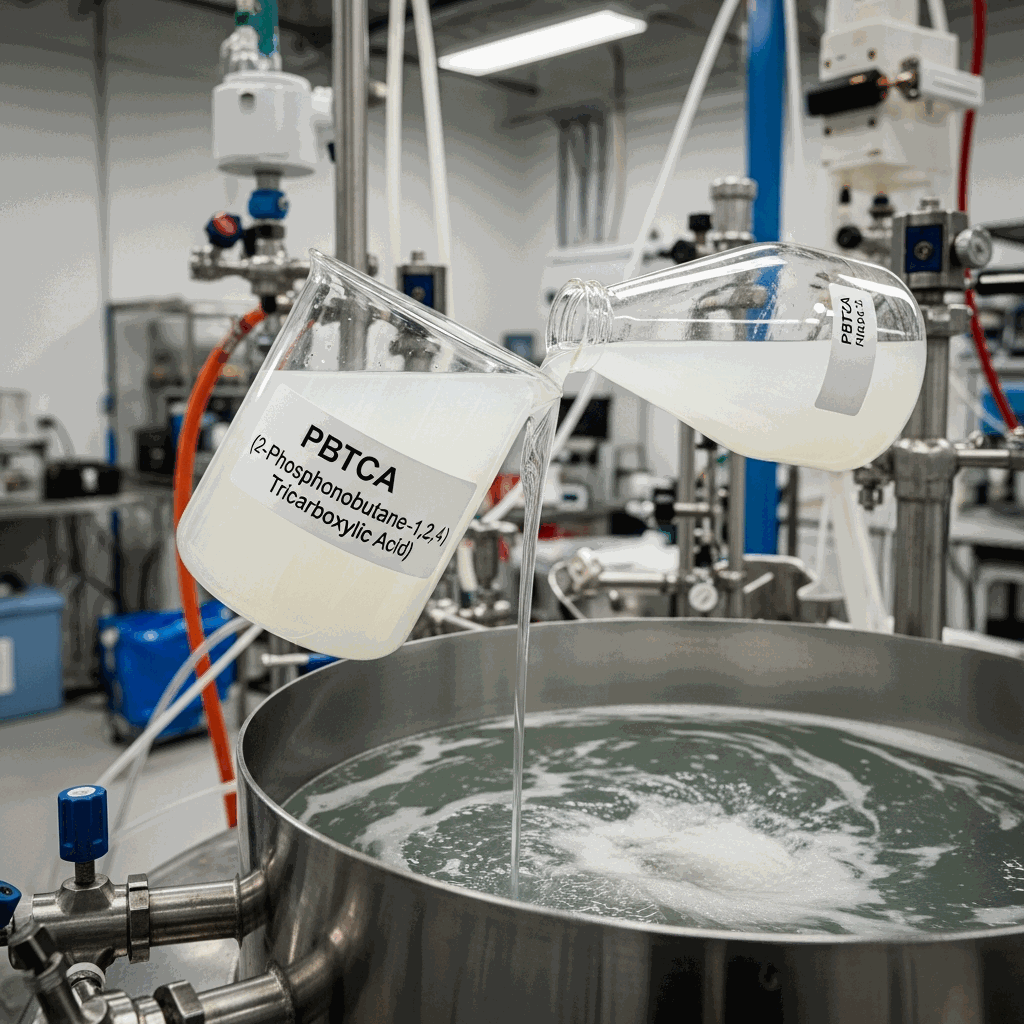
2-Phosphonobutane-1,2,4-Tricarboxylic Acid (PBTCA)

2-Phosphonobutane-1,2,4-Tricarboxylic Acid, commonly known as PBTCA, is a highly efficient organophosphonate scale and corrosion inhibitor widely utilized in industrial water treatment. Structurally, it integrates both phosphonic acid and carboxylic acid functional groups, which confers exceptional chemical stability and performance under extreme conditions. Unlike traditional phosphonates such as HEDP or ATMP, PBTCA exhibits superior tolerance to high alkalinity, high hardness, and high pH environments.

It operates primarily through the “threshold effect,” preventing the precipitation of scale-forming salts at sub-stoichiometric concentrations, and through crystal lattice distortion, which inhibits the growth of macro-crystals. Additionally, PBTCA demonstrates remarkable stability in the presence of oxidizing biocides like chlorine or bromine, making it an essential component in modern, high-cycle cooling water formulations. Its multi-functional nature allows it to act as both a robust sequestering agent and an effective corrosion inhibitor when synergized with zinc salts or other polymers, ensuring the longevity and efficiency of industrial heat exchange systems.

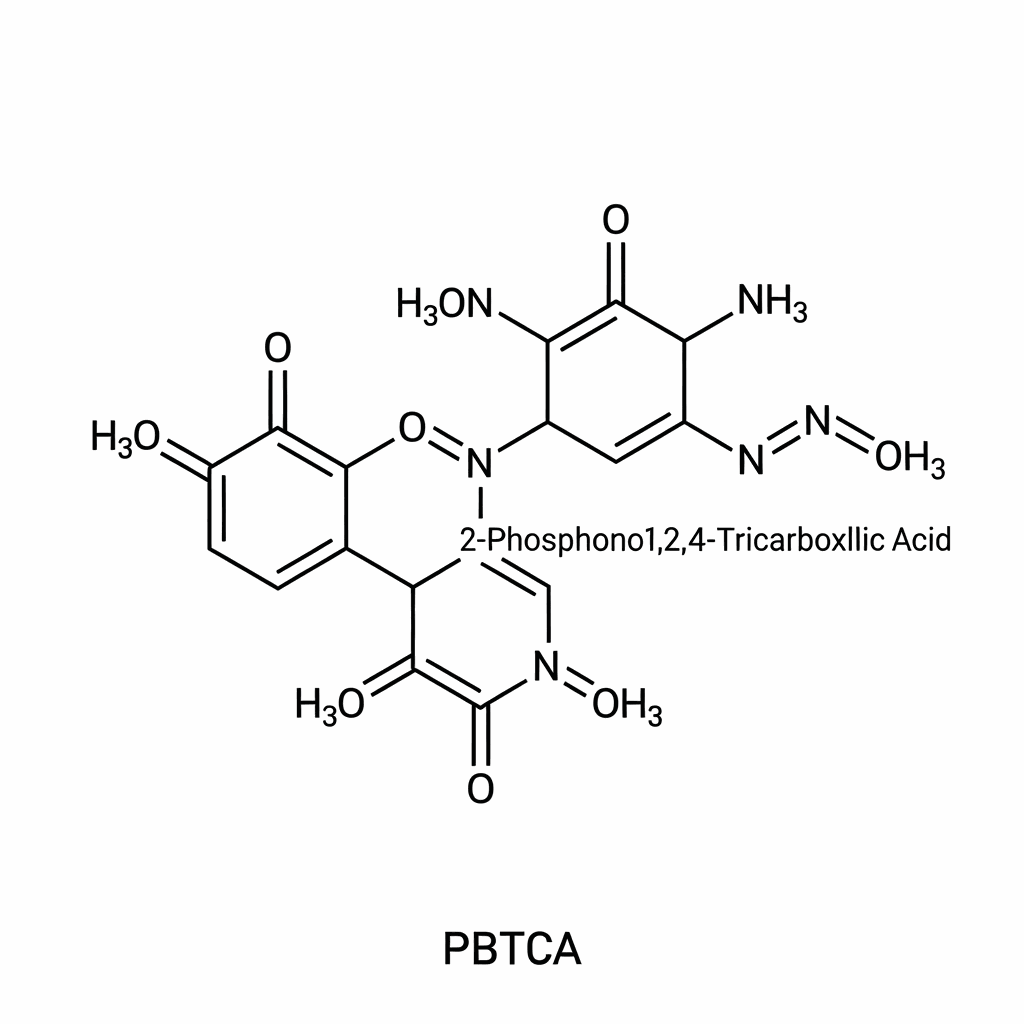
Attributes

Key Features and Benefits

  • High Efficiency: Outstanding scale inhibition for calcium carbonate, even at high pH and alkalinity levels where other phosphonates fail.
  • Oxidative Stability: Superior resistance to decomposition in the presence of oxidizing biocides such as chlorine, bromine, and chlorine dioxide.
  • Thermal Robustness: Maintains structural integrity and performance at elevated temperatures, suitable for high-stress heat transfer applications.
  • Synergistic Performance: Enhances the efficacy of zinc salts and copolymer dispersants, providing a comprehensive corrosion and scale inhibition package.
  • Environmental Compliance: Lower total phosphorus content compared to ATMP, aiding in compliance with stringent wastewater discharge regulations.
Specifications

Technical Highlights

  • Chemical Formula: C7H11O9P (Molecular Weight: 270.13 g/mol).
  • Active Content: Standard commercial grades typically feature a 50% active acid aqueous solution.
  • Calcium Tolerance: Exhibits exceptional tolerance to high calcium ion concentrations, effectively preventing the formation of calcium-phosphonate precipitates.
  • pH Stability: Maintains peak performance across a broad pH range, typically from 7.0 to 11.0.
  • Density: Approximately 1.27–1.30 g/cm³ at 20°C.
  • Sequestration Power: High chelating capacity for multivalent metal ions, preventing mineral deposition on metallic surfaces.

Download Technical Data Sheet (TDS)

Practical industry uses

Applications

  • Industrial Cooling Systems: Primary scale inhibitor for recirculating cooling water in power plants, steel mills, and petrochemical facilities.
  • Oilfield Water Management: Used in water injection systems and squeeze treatments to prevent mineral scale in downhole equipment and pipelines.
  • Industrial Cleaning Agents: Key ingredient in highly alkaline detergent formulations for Clean-In-Place (CIP) systems and industrial metal cleaning.
  • Textile Industry: Acts as a stabilizing agent for peroxide bleaching baths, preventing the catalytic decomposition of hydrogen peroxide by trace metal ions.
  • Boiler Water Treatment: Prevents scale buildup on heat transfer surfaces in low-to-medium pressure boiler systems.
Key Sectors

Target Industries

Discover more

Related products

Key Sectors

We’re Here to Support Your Chemical Sourcing Needs

Have a question or need a quote? Our team is here to help with product details, pricing, and global delivery options.

Send a message to us

Your email address will not be published. Required fields are marked *