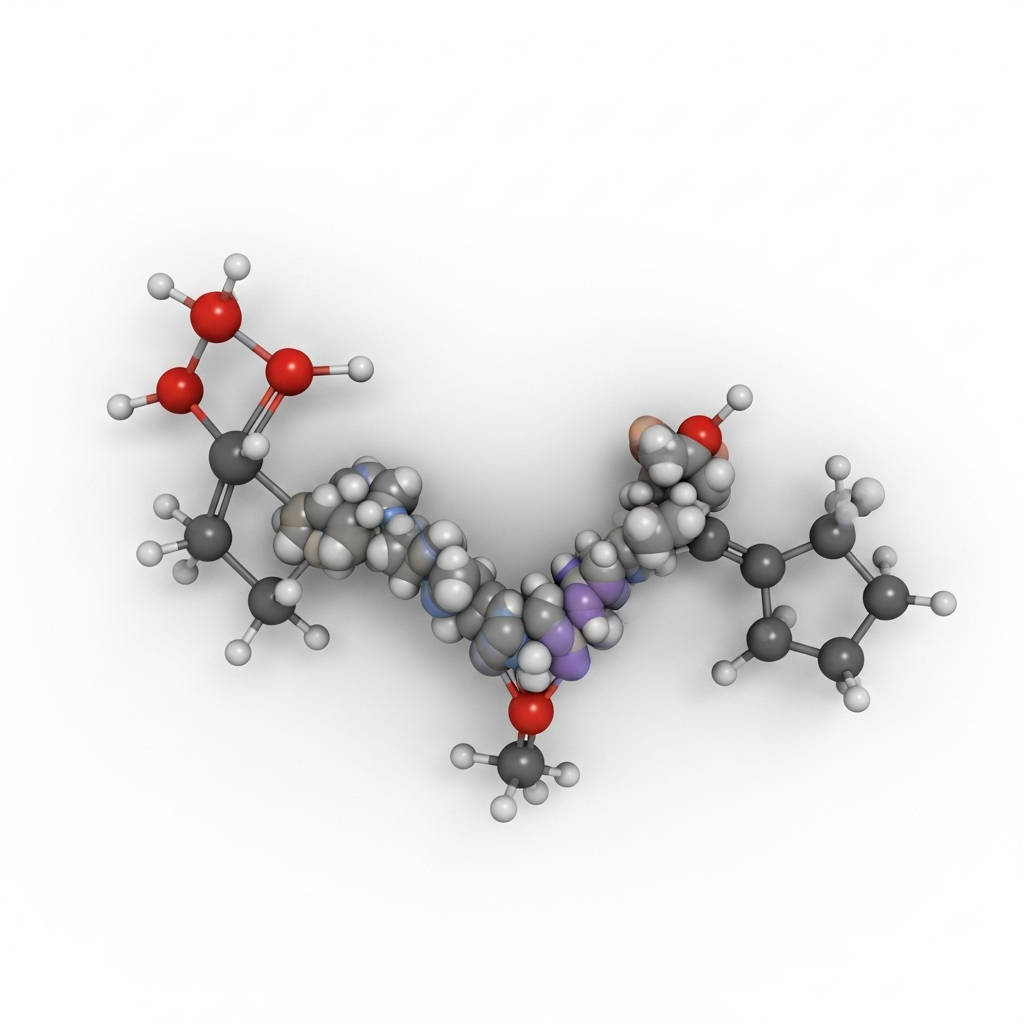
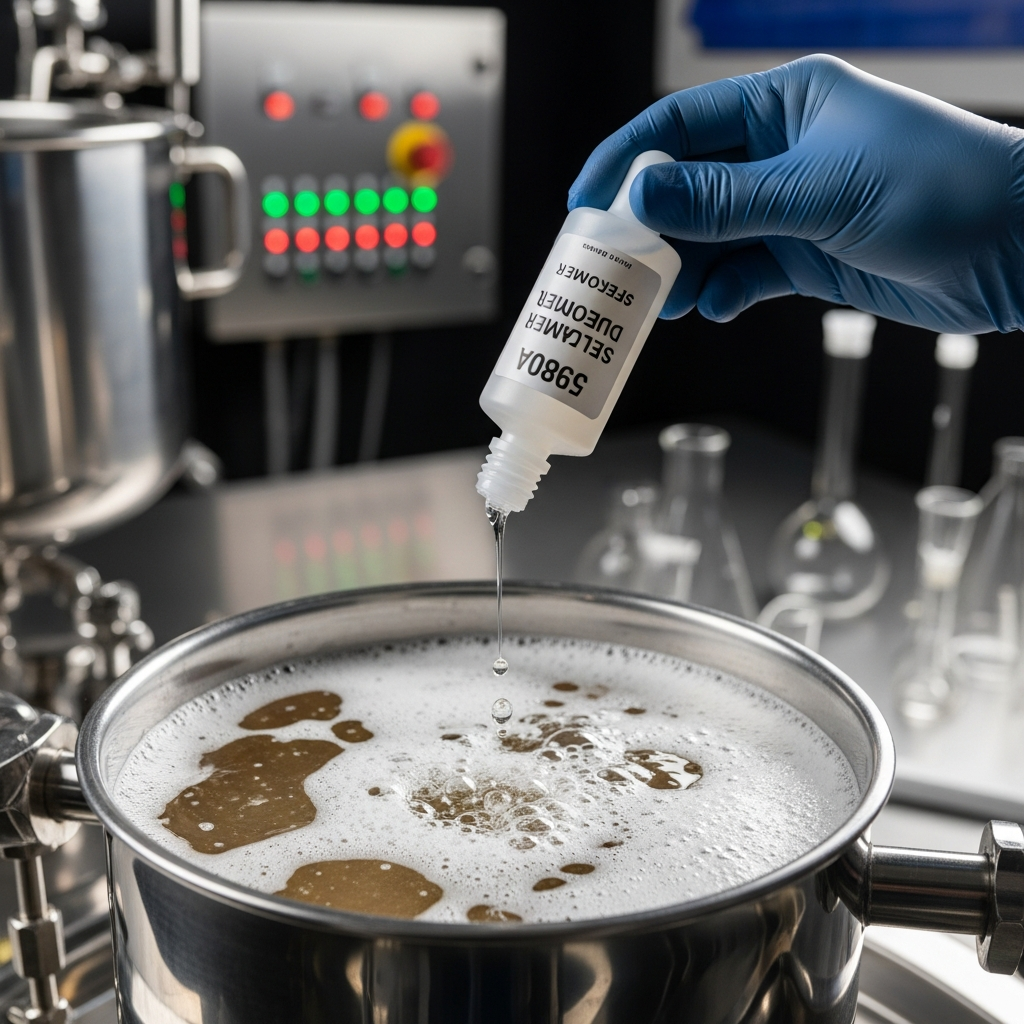
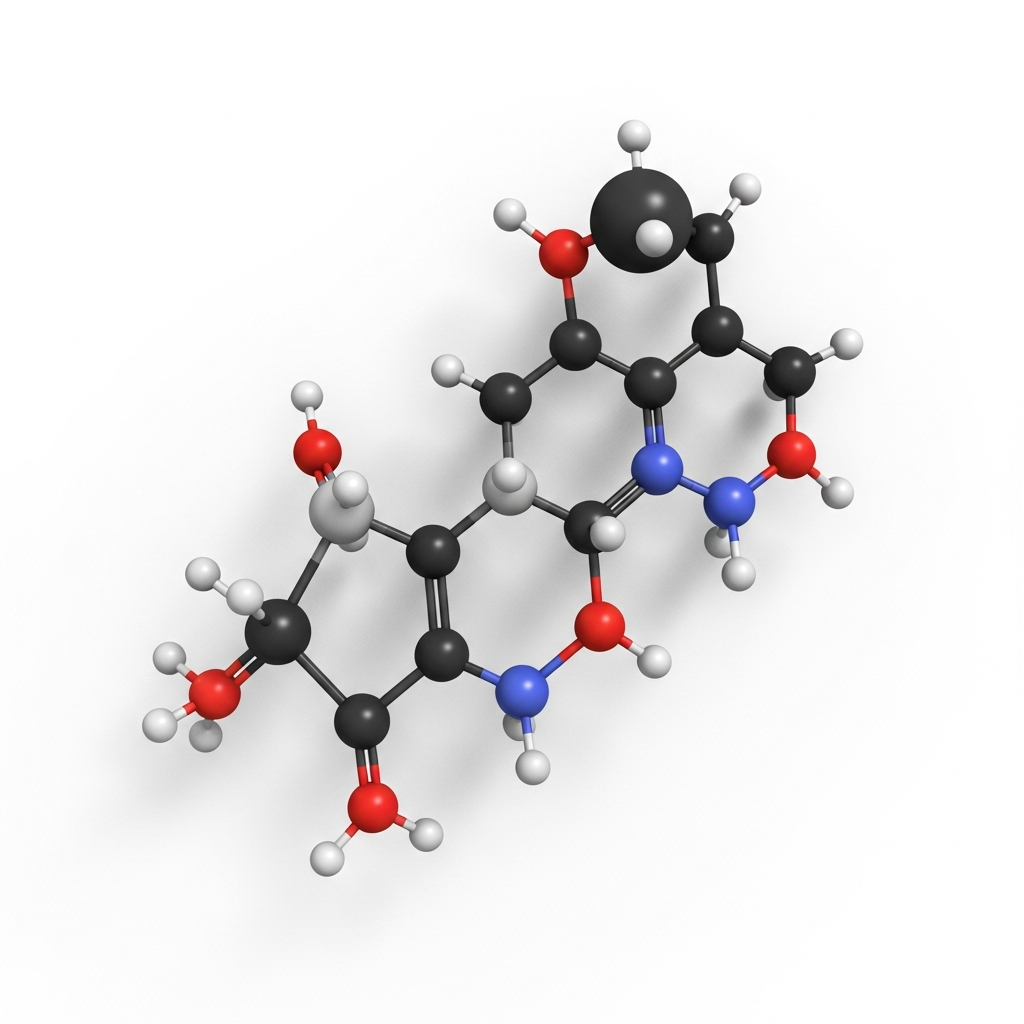
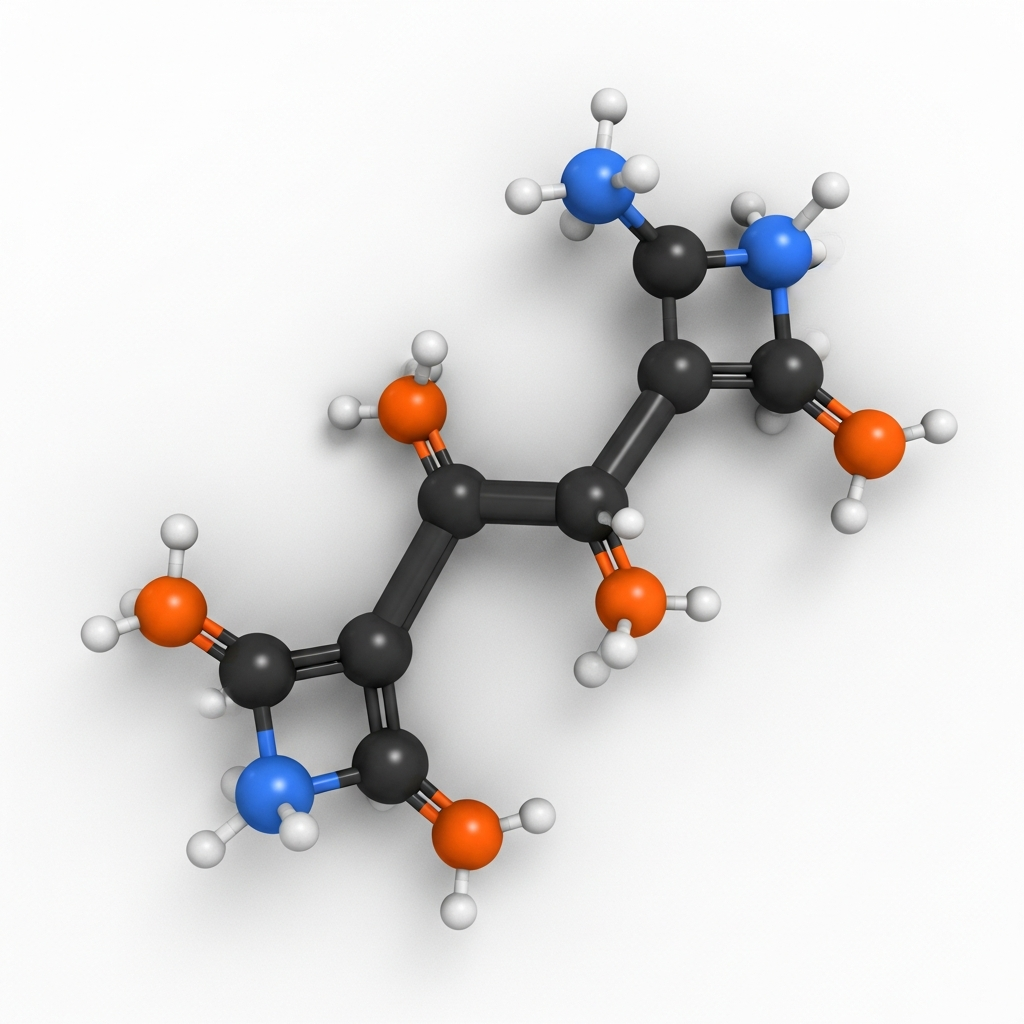
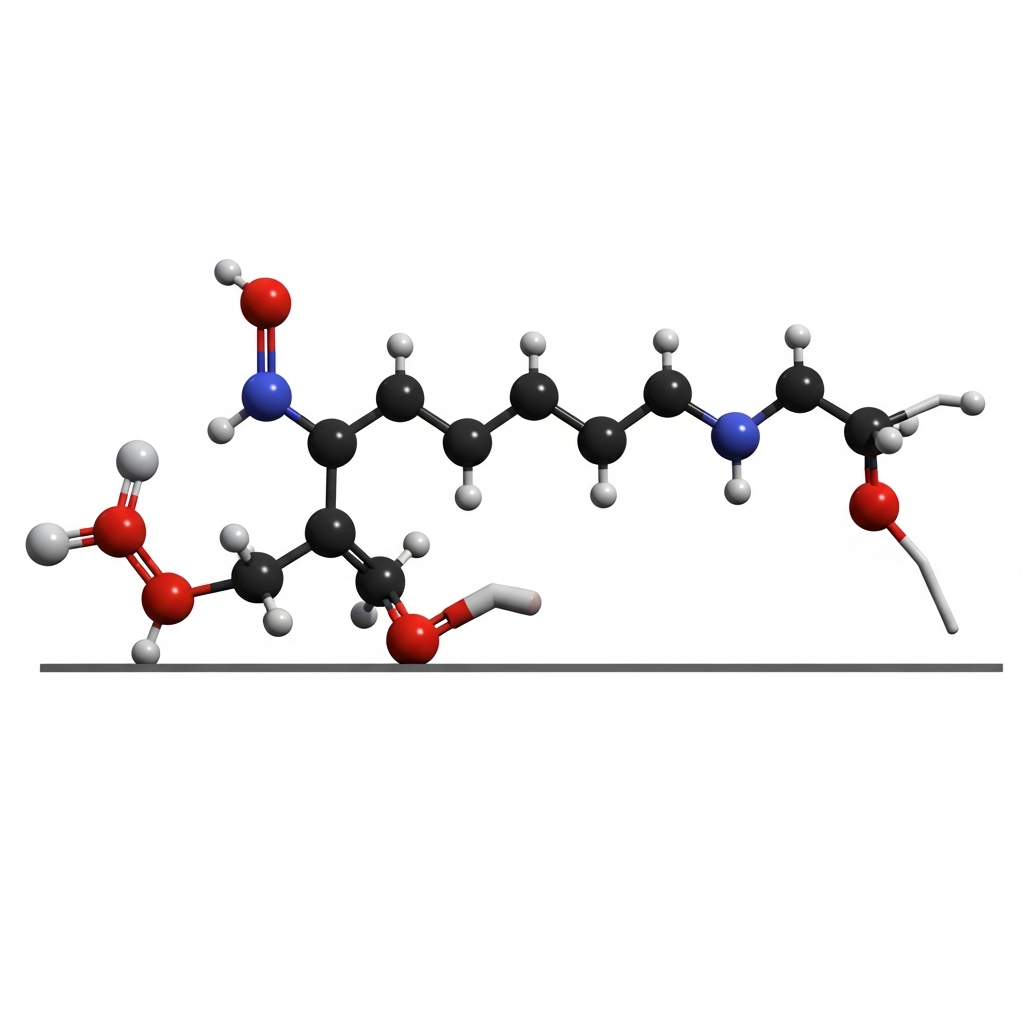
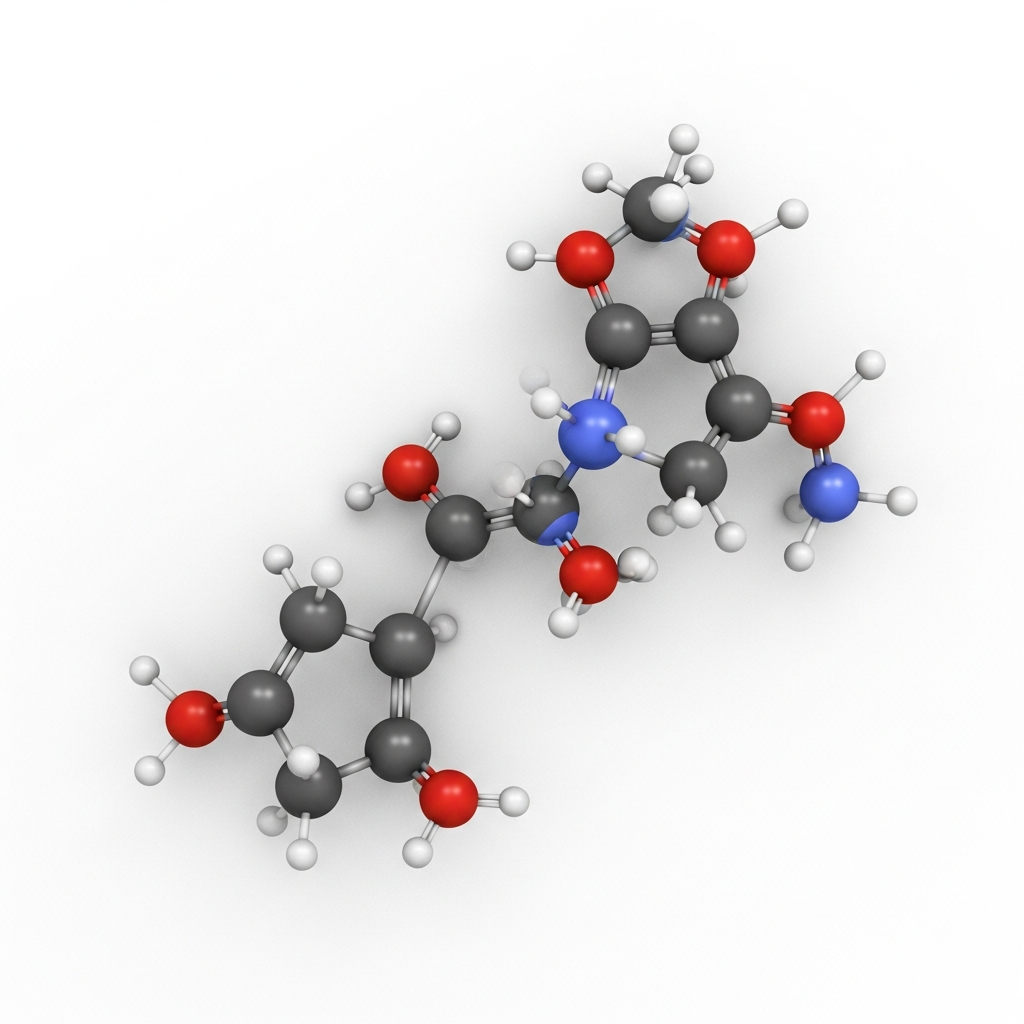
Polymer dispersants, particularly those classified under high-performance polycarboxylate or specialized acrylic architectures, represent a critical class of chemical additives designed to stabilize solid-in-liquid dispersions. These macromolecules function through a sophisticated combination of electrostatic repulsion and steric hindrance. By adsorbing onto the surface of pigments, minerals, or fillers, they create a robust interfacial barrier that prevents the re-agglomeration of fine particles. This stabilization is essential for maintaining the homogeneity and long-term shelf life of complex industrial formulations. Unlike traditional small-molecule surfactants, polymer dispersants offer superior performance by providing multiple anchoring points on particle surfaces, which ensures durability even under high-shear conditions or varying thermal environments. Their role is pivotal in modern chemical engineering where precise control over rheology, particle size distribution, and fluid stability is required. Consequently, these polymers are indispensable for achieving high-solids loadings while maintaining manageable viscosities across a broad spectrum of aqueous and non-aqueous systems.