Dispersing Agent, Solvent-borne, Speciality Additive

VP 6912 High-Filler Viscosity-Reducing Dispersant

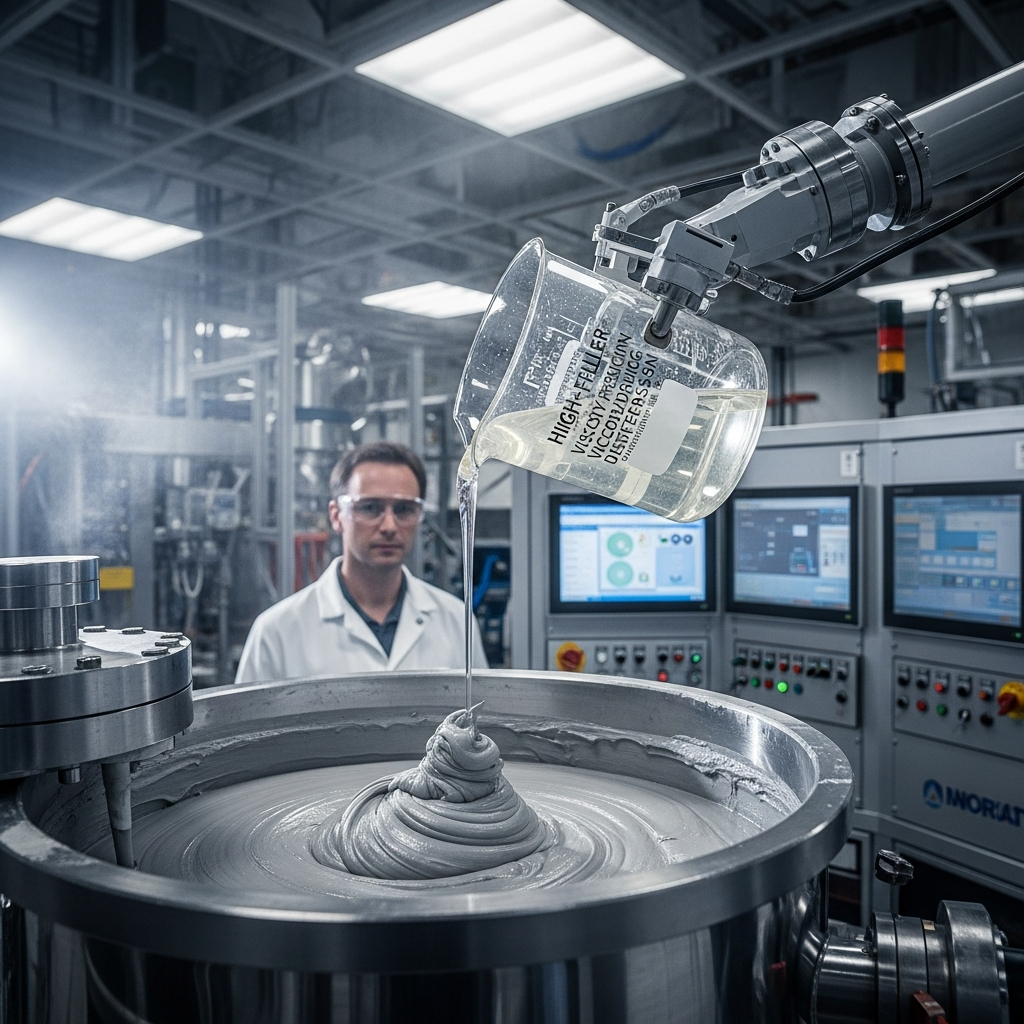
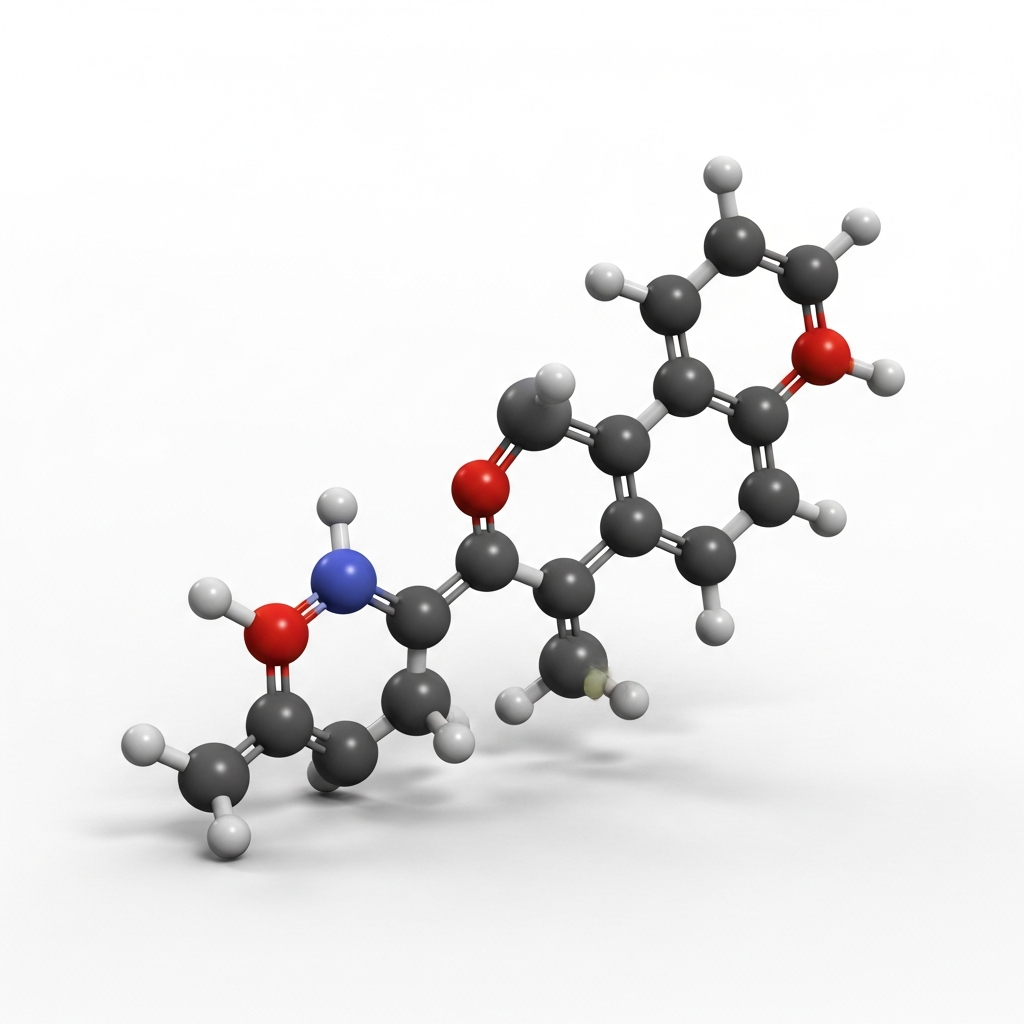
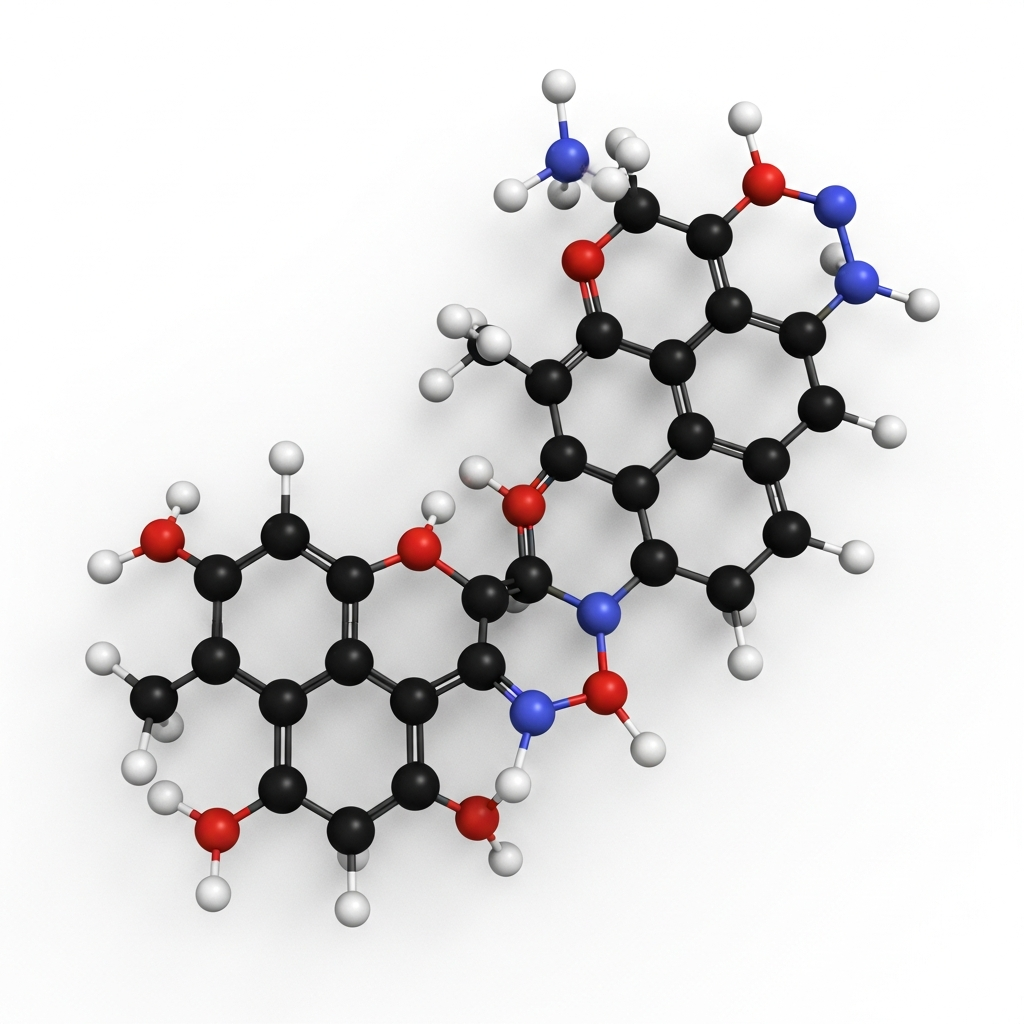
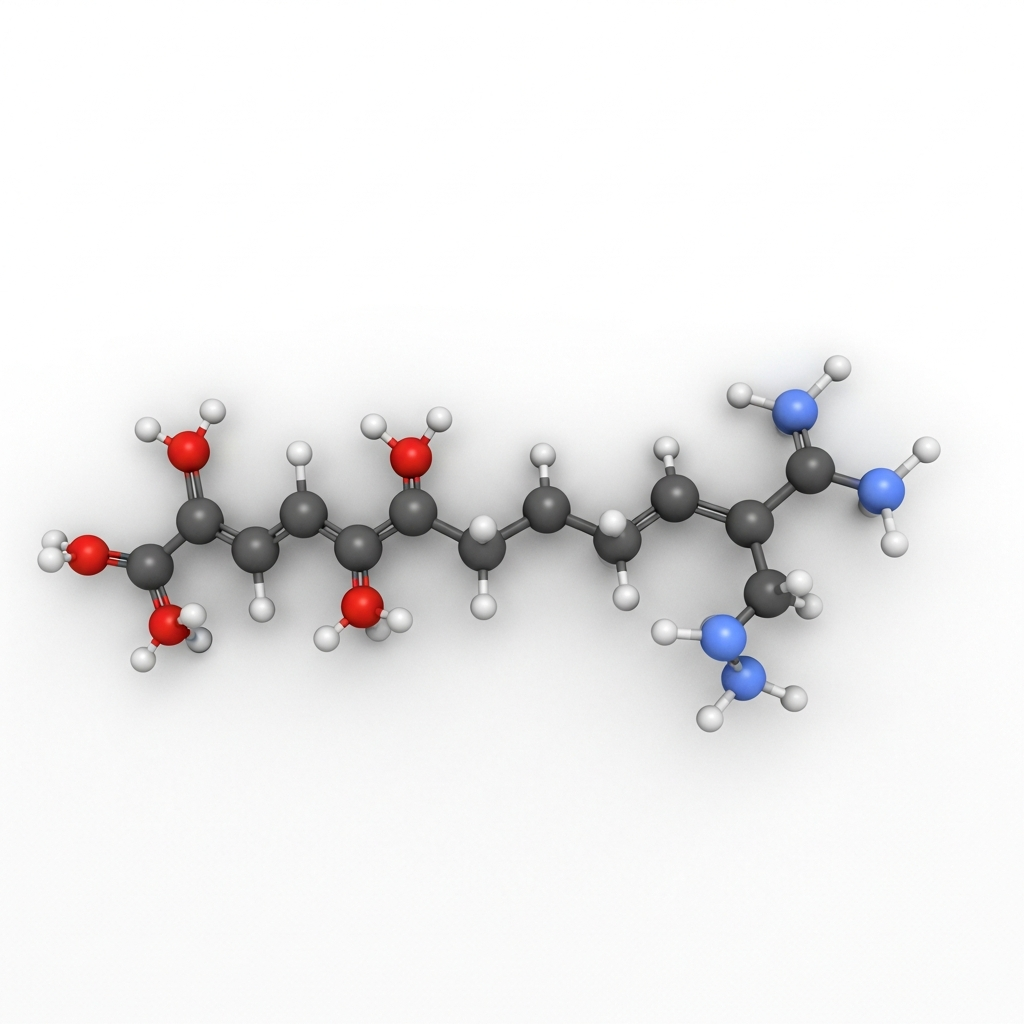
High-Filler Viscosity-Reducing Dispersants, such as those categorized under specific industrial designations like CAS 6912, represent a sophisticated class of polymeric additives engineered to optimize the interaction between inorganic particulates and organic resin matrices. In industrial chemistry, these dispersants are critical for overcoming the ‘viscosity wall’—the point at which high filler concentrations render a mixture unworkable. By utilizing a dual-functional molecular structure, these agents provide robust anchoring onto the surface of fillers such as calcium carbonate, alumina trihydrate, and silica, while providing steric stabilization through solvent-compatible chains. This prevents the formation of particle agglomerates, ensuring a Newtonian or near-Newtonian flow even at exceptionally high solid loadings. Consequently, manufacturers can achieve superior material properties, such as enhanced flame retardancy or mechanical stiffness, while maintaining the processability required for complex molding and extrusion tasks. Their role is indispensable in modern composite science, where balancing cost-efficiency with high-performance physical characteristics is the primary objective.
Attributes

Key Features and Benefits

  • Drastic Viscosity Reduction: Enables significantly higher filler loadings without compromising flow or pumpability.
  • Superior Surface Wetting: Rapidly displaces air and moisture from the filler surface to ensure complete encapsulation.
  • Steric Stabilization: Prevents flocculation and particle settling during long-term storage or processing.
  • Improved Surface Finish: Eliminates surface defects and ‘orange peel’ effects by ensuring homogenous particle distribution.
  • Enhanced Throughput: Reduces mixing time and energy consumption by accelerating the wetting process.
  • Mechanical Optimization: Improves the tensile and impact strength of the final composite through better interfacial bonding.
Specifications

Technical Highlights

  • Functional Anchoring Groups: Designed with high affinity for mineral surfaces, including acidic and basic functional sites.
  • Low Volatility: High-solids or solvent-free liquid composition suitable for low-VOC industrial requirements.
  • Thermal Stability: Maintains chemical integrity at high processing temperatures (up to 250°C) without discoloration.
  • Broad Compatibility: Effective in various systems including unsaturated polyesters, epoxies, acrylics, and polyurethanes.
  • Dosage Efficiency: Highly concentrated formula requiring only 0.5% to 2.5% weight based on the filler content.
  • Hydrophobic Barrier: Provides a protective layer on fillers, reducing water absorption in the finished product.

Download Technical Data Sheet (TDS)

Practical industry uses

Applications

  • Sheet Molding Compounds (SMC) and Bulk Molding Compounds (BMC) for automotive and electrical housings.
  • Synthetic Marble and Quartz: High-load mineral casting for kitchen countertops and sanitary ware.
  • Flame Retardant Systems: Managing high loadings of Alumina Trihydrate (ATH) or Magnesium Hydroxide.
  • Industrial Coatings: High-build primers and heavy-duty anti-corrosion coatings with high pigment volume concentration.
  • Pultrusion Processes: Enhancing the wetting of glass fibers and fillers in continuous profile manufacturing.
  • PVC Plastisols: Improving the rheology of highly filled vinyl flooring and coating formulations.
Key Sectors

Target Industries

Discover more

Related products

Key Sectors

We’re Here to Support Your Chemical Sourcing Needs

Have a question or need a quote? Our team is here to help with product details, pricing, and global delivery options.

Send a message to us

Your email address will not be published. Required fields are marked *