Solvent-borne, Speciality Additive, Wetting & Levelling Agent

VP 7354 Acrylate Levelling agent

The 7354 Acrylate Levelling Agent is a high-performance, non-silicone surface additive specifically engineered for solvent-borne and solvent-free coating systems. Composed of a specialized polyacrylate polymer, this agent functions by reducing surface tension gradients within the liquid film during the drying and curing process. Its primary mechanism involves migrating to the air-liquid interface to provide a uniform surface energy profile, which effectively eliminates common surface defects such as orange peel, pinholes, and craters. Unlike silicone-based additives, the 7354 variant maintains excellent inter-coat adhesion and does not induce foam stabilization, making it ideal for multi-layer coating applications. It is particularly valued in high-gloss topcoats where optical clarity and long-wave leveling are critical parameters. Furthermore, its chemical stability ensures consistent performance across various resin chemistries including epoxies, polyurethanes, and polyesters. By optimizing the rheological flow of the coating, 7354 ensures a smooth, mirror-like finish, enhancing both the aesthetic appeal and the protective integrity.

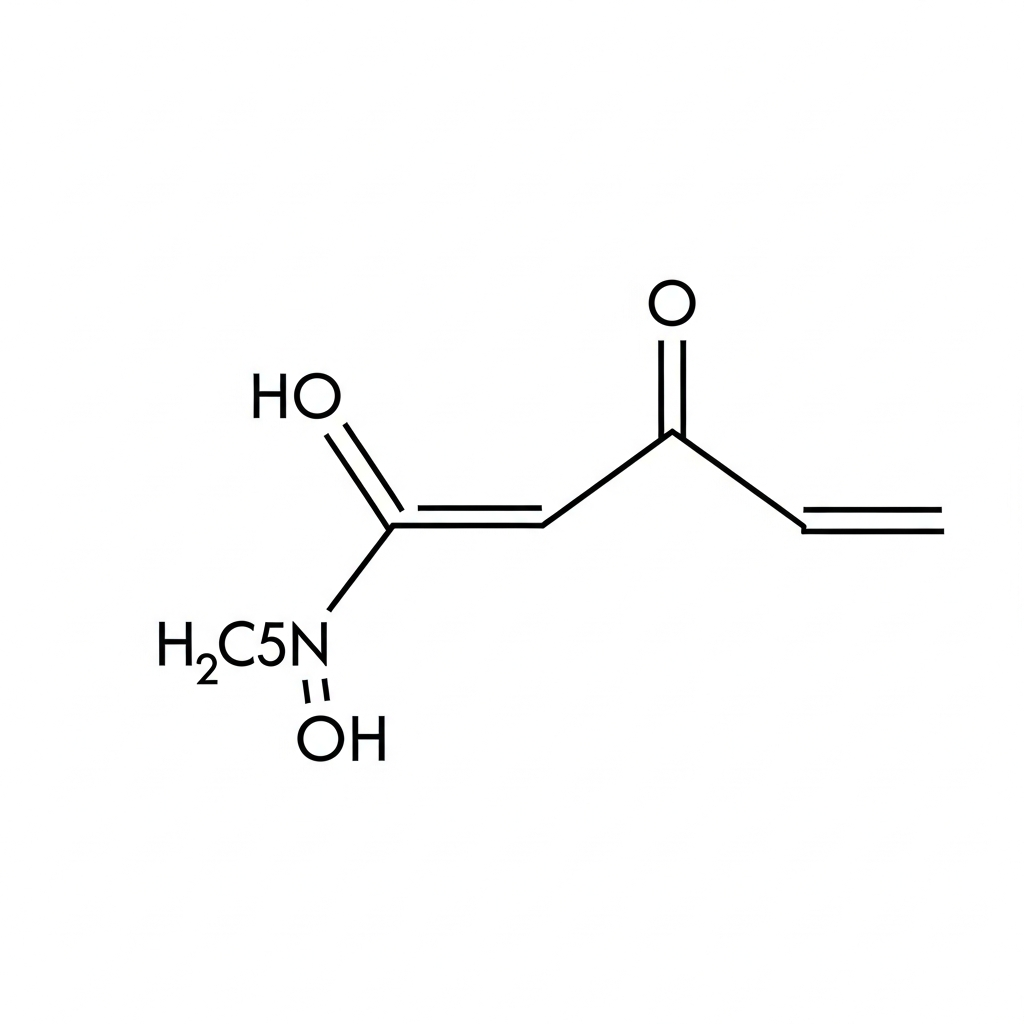
Attributes

Key Features and Benefits

  • Superior leveling properties that effectively eliminate orange peel and surface irregularities in high-solids systems.
  • Non-silicone composition ensures zero risk of inter-coat adhesion failure or contamination in sensitive production environments.
  • Minimal impact on surface slip, preserving the natural feel of the coating while improving overall film gloss.
  • Exceptional compatibility with a wide range of polar and non-polar resins, including acrylics and epoxies.
  • Low tendency to stabilize foam, reducing the need for aggressive defoamers during the high-speed application process.
  • Provides consistent performance in clearcoats by maintaining high transparency and preventing haze or turbidity during the curing phase within industrial coat finishing cycles.
Specifications

Technical Highlights

  • Chemical Composition: Modified polyacrylate polymer solution designed for rapid migration to the coating-air interface.
  • Solids Content: High active substance concentration (typically 50% or 100% depending on the specific grade).
  • Refractive Index: Optimized to match common resin systems, ensuring absolute clarity in high-gloss clearcoat formulations.
  • Thermal Stability: High resistance to thermal degradation, making it suitable for stoving enamels and coil coatings.
  • Solvent Compatibility: Fully soluble in aromatics, esters, and ketones, facilitating easy incorporation during the let-down stage.
  • Surface Tension Reduction: Targeted reduction of surface tension without the over-slickness associated with dimethylpolysiloxane additives inside the complex molecular structure of the final polymer.

Download Technical Data Sheet (TDS)

Practical industry uses

Applications

  • Automotive OEM and Refinish: Utilized in clearcoats to achieve a premium, defect-free finish with high DOI (Distinctness of Image).
  • Industrial Wood Coatings: Applied in high-gloss furniture lacquers to prevent cratering and improve the flow over porous substrates.
  • Protective Marine Coatings: Enhances film integrity and uniformity in heavy-duty epoxy and polyurethane systems for harsh environments.
  • Coil and Can Coatings: Ensures smooth film formation during high-speed roll coating processes without impacting food-contact safety profiles.
  • Architectural Floor Coatings: Improves the self-leveling properties of epoxy floor resins, resulting in a seamless and durable surface finish across various commercial and residential concrete floor installation projects.
Key Sectors

Target Industries

Discover more

Related products

Key Sectors

We’re Here to Support Your Chemical Sourcing Needs

Have a question or need a quote? Our team is here to help with product details, pricing, and global delivery options.

Send a message to us

Your email address will not be published. Required fields are marked *