Acetaldehyde
Bio - Based / Green Solvents, High-Purity Solvents

Acetaldehyde

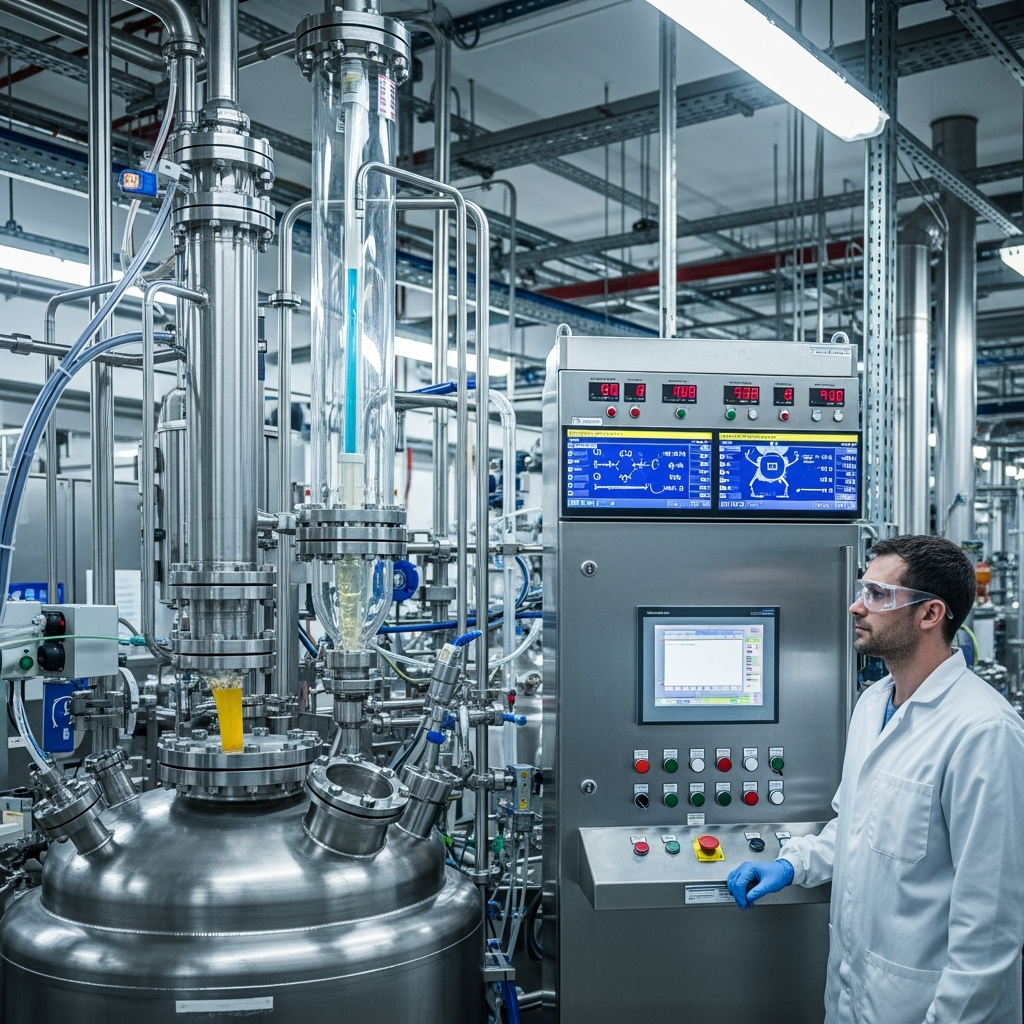
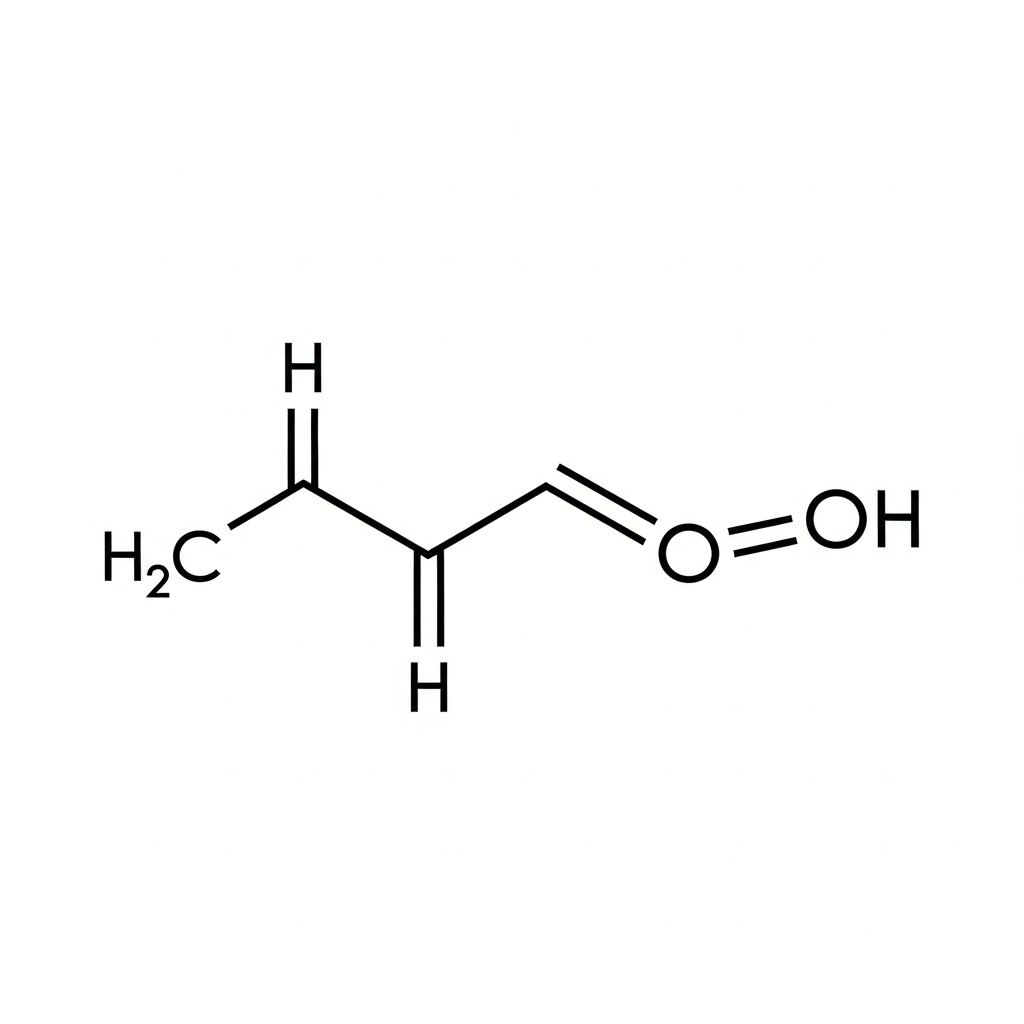
Acetaldehyde, systematically known as ethanal, is one of the most critical aliphatic aldehydes in the industrial chemical landscape. It is a colorless, highly volatile liquid characterized by a distinct, pungent, and fruity odor. While it occurs naturally in ripened fruits, coffee, and as a metabolic byproduct of ethanol in the human body, its industrial significance is derived from its role as a versatile building block. The majority of global production utilizes the Wacker-Hoechst process, which involves the catalytic oxidation of ethylene using a palladium/copper catalyst system.

Due to its exceptionally low boiling point of 20.2°C, acetaldehyde exists near its gaseous state at room temperature, necessitating specialized chilled or pressurized storage solutions. It is a highly reactive species, serving as a precursor to a vast array of derivatives including acetic acid, esters, and nitrogen-containing heterocycles. Despite its utility, it is classified as a Group 2B carcinogen and a highly flammable substance, requiring rigorous industrial hygiene and safety protocols.

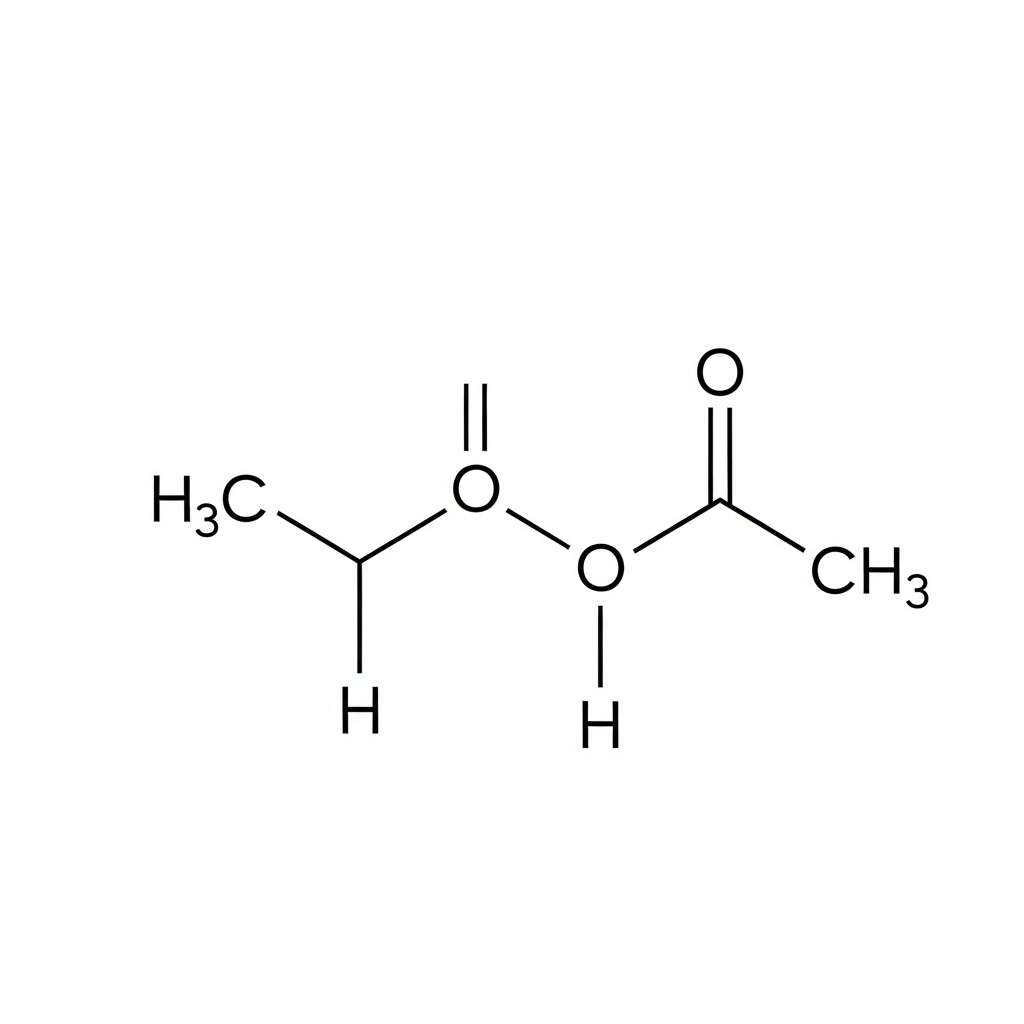
Attributes

Key Features and Benefits

  • High Nucleophilic Reactivity: The presence of the carbonyl group facilitates rapid chemical transformations, including aldol condensations and oxidation-reduction reactions.
  • Complete Miscibility: It is fully miscible with water and most organic solvents (ethanol, ether, benzene), providing flexibility in reaction media.
  • Efficient Atom Economy: Its simple two-carbon structure makes it a highly efficient precursor for the synthesis of complex molecules like pentaerythritol.
  • Natural Flavor Profile: In diluted concentrations, it provides a “fresh” note, making it an indispensable component in the food and beverage industry for simulating natural fruit flavors.
  • Intermediary Versatility: Acts as a platform chemical for both bulk commodity chemicals and fine specialty chemicals.
Specifications

Technical Highlights

  • Boiling Point: 20.2°C (68.4°F); its high volatility requires airtight, refrigerated, or pressurized handling systems.
  • Flash Point: -38°C (Closed Cup), making it an extreme fire hazard even in sub-ambient conditions.
  • Vapor Pressure: Approximately 740 mmHg at 20°C, leading to rapid evaporation and potential build-up of explosive atmospheres.
  • Polymerization Potential: Readily polymerizes into paraldehyde (trimer) or metaldehyde (tetramer) in the presence of acidic catalysts; these polymers serve as stable storage forms.
  • Explosive Limits: A wide flammability range in air (4.0% to 60.0% by volume), necessitating non-sparking equipment and inert gas padding.

Download Technical Data Sheet (TDS)

Practical industry uses

Applications

  • Electrical and electronics
  • Connectors, switches, PCB housings, terminal blocks
  • Automotive
  • Under-hood components, interior assemblies, cable conduits
  • Wire and cable
  • Insulation layers, sheathing, jacketing materials
  • Construction
  • Plastic fittings, conduits, insulation panels
  • Consumer appliances
  • Enclosures, adapters, plugs, casings
  • Industrial components
  • Fiber-reinforced composites, flame-retardant masterbatches
  • Compatible polymers
  • PA6, PA66
  • PBT, PET
  • PE, PP
  • Blends and copolymers requiring halogen-free flame retardancy
Key Sectors

Target Industries

Discover more

Related products

Key Sectors

We’re Here to Support Your Chemical Sourcing Needs

Have a question or need a quote? Our team is here to help with product details, pricing, and global delivery options.

Send a message to us

Your email address will not be published. Required fields are marked *