High-Purity Solvents, Ketones

Acetone

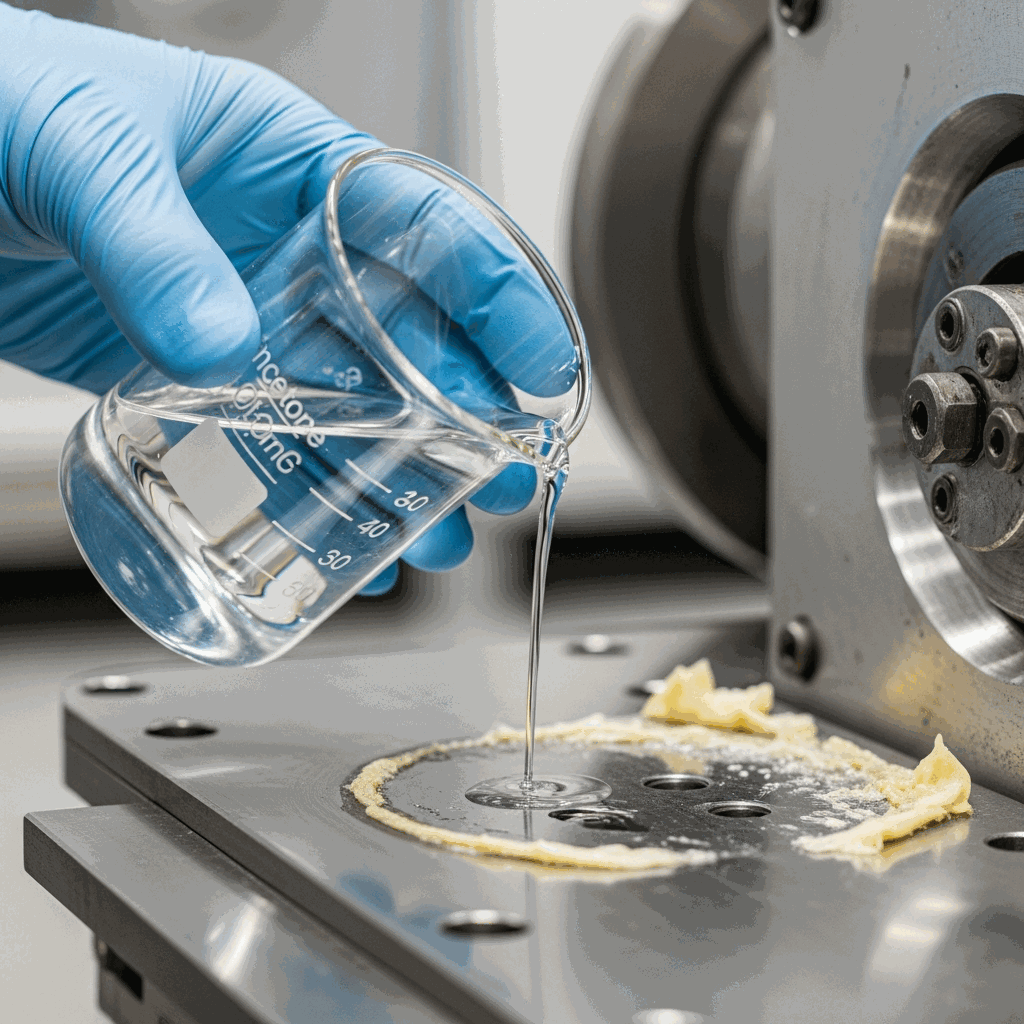
Acetone, or propanone, is a colorless, highly volatile, and flammable organic compound with the chemical formula (CH3)2CO. It is the simplest and smallest ketone, serving as a vital industrial solvent and chemical intermediate. Characterized by its distinct pungent, fruity odor, acetone is miscible with water and most organic solvents, making it indispensable in laboratories and manufacturing plants worldwide. Beyond its industrial utility, acetone is produced naturally in the human body through metabolic processes like ketosis. It plays a foundational role in the production of methyl methacrylate and bisphenol A, which are precursors to widely used plastics and resins. Its rapid evaporation rate and ability to dissolve various substances, including paints, greases, and adhesives, establish it as a primary cleaning agent. As a ubiquitous chemical, its safety profile is well-documented, requiring careful handling due to its flammability, yet it remains a cornerstone of modern chemistry, supporting diverse global industrial sectors effectively.

Attributes

Key Features and Benefits

  • Excellent solvency for organic compounds and plastics.
  • High volatility ensures quick drying times without residue.
  • Miscible in water and many organic solvents.
  • Low toxicity compared to other chlorinated solvents.
  • Readily biodegradable, minimizing long-term environmental accumulation risks.
  • Versatile chemical intermediate for synthetic manufacturing processes.
  • Cost-effective production via the Hock process (cumene).
  • Effective degreasing properties for metal surface preparation.
  • Reliable performance in cryogenic applications as a coolant.
  • Compatible with a broad range of industrial materials.
  • Enhances the consistency and application of specialty coatings.
  • Ideal for thinning polyester resins and cleaning fiberglass tools.
  • Provides superior dissolution of stubborn synthetic adhesives and heavy oils.
Specifications

Technical Highlights

  • Chemical Formula: (CH3)2CO; Molecular Weight: 58.08 g/mol.
  • Density: 0.784 g/cm³ at 25 degrees Celsius.
  • Boiling Point: 56.05 degrees Celsius (132.89 Fahrenheit).
  • Flash Point: -20 degrees Celsius (-4 Fahrenheit).
  • Vapor Pressure: 240 hPa at 20 degrees Celsius.
  • Refractive Index: 1.359 at standard laboratory temperatures.
  • Dipole Moment: 2.91 D, indicating high polarity.
  • Auto-ignition Temperature: 465 degrees Celsius (869 Fahrenheit).
  • Water Solubility: Completely miscible in all proportions.
  • Viscosity: 0.306 mPa·s at standard room temperature.
  • Appearance: Clear, colorless liquid with characteristic ketonic odor.
  • Purity levels often exceed 99.5% for laboratory grades.
  • Exhibits excellent thermal stability and remains non-corrosive to most standard metallic storage vessels.

Download Technical Data Sheet (TDS)

Practical industry uses

Applications

  • Solvent for thinning polyester resin and cleaning tools.
  • Precursor for methyl methacrylate in acrylic plastic manufacturing.
  • Used in pharmaceutical production for drug synthesis and extraction.
  • Primary ingredient in nail polish removers and cosmetics.
  • Effective cleaning agent for laboratory glassware and equipment.
  • Key component in the formulation of paints and varnishes.
  • Industrial degreaser for preparing surfaces before welding or painting.
  • Solvent for acetylene storage in specialized pressurized cylinders.
  • Used in the textile industry for degumming silk and wool.
  • Active agent in various household cleaning and adhesive products.
  • Precursor for producing bisphenol A used in epoxy resins.
  • Utilized in semiconductor wafer manufacturing.
Key Sectors

Target Industries

Discover more

Related products

Key Sectors

We’re Here to Support Your Chemical Sourcing Needs

Have a question or need a quote? Our team is here to help with product details, pricing, and global delivery options.

Send a message to us

Your email address will not be published. Required fields are marked *