Acrylates, High-Purity Solvents

Acrylic Acid (AA)

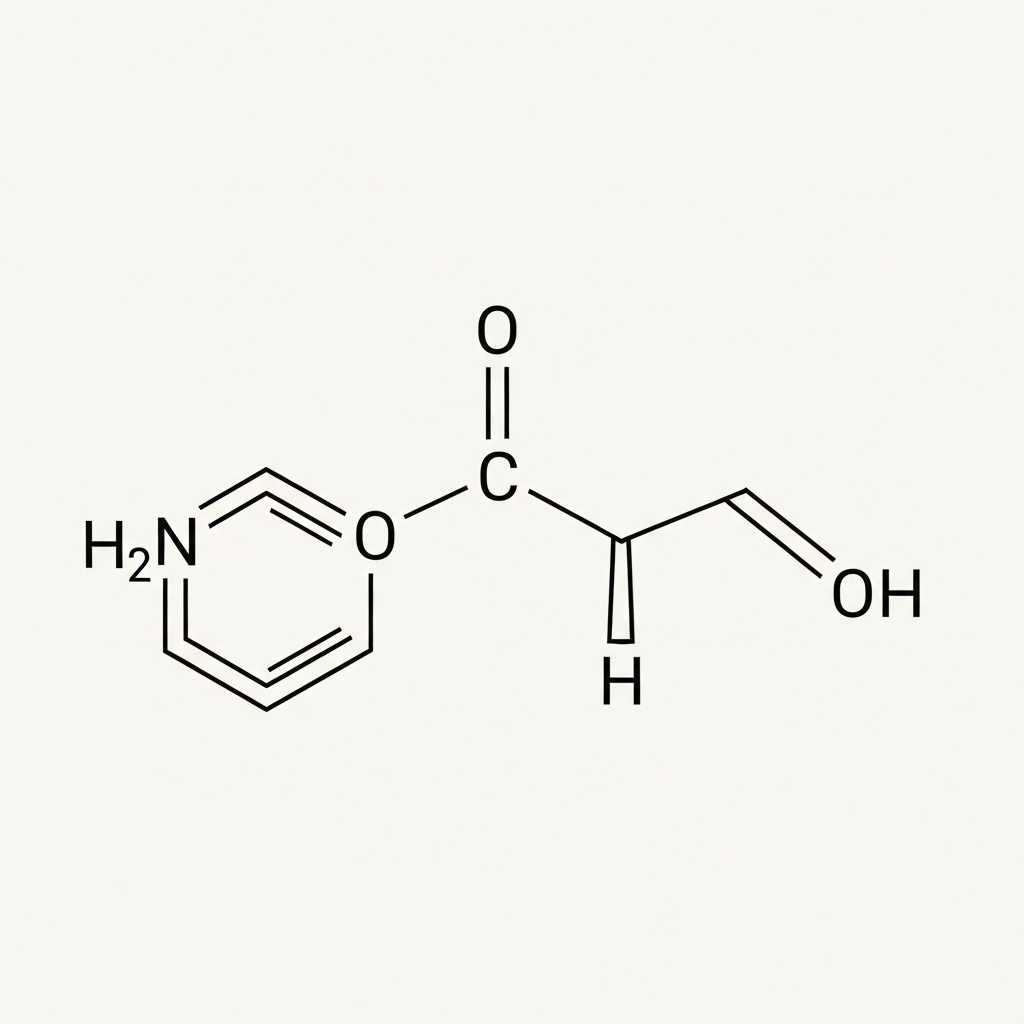
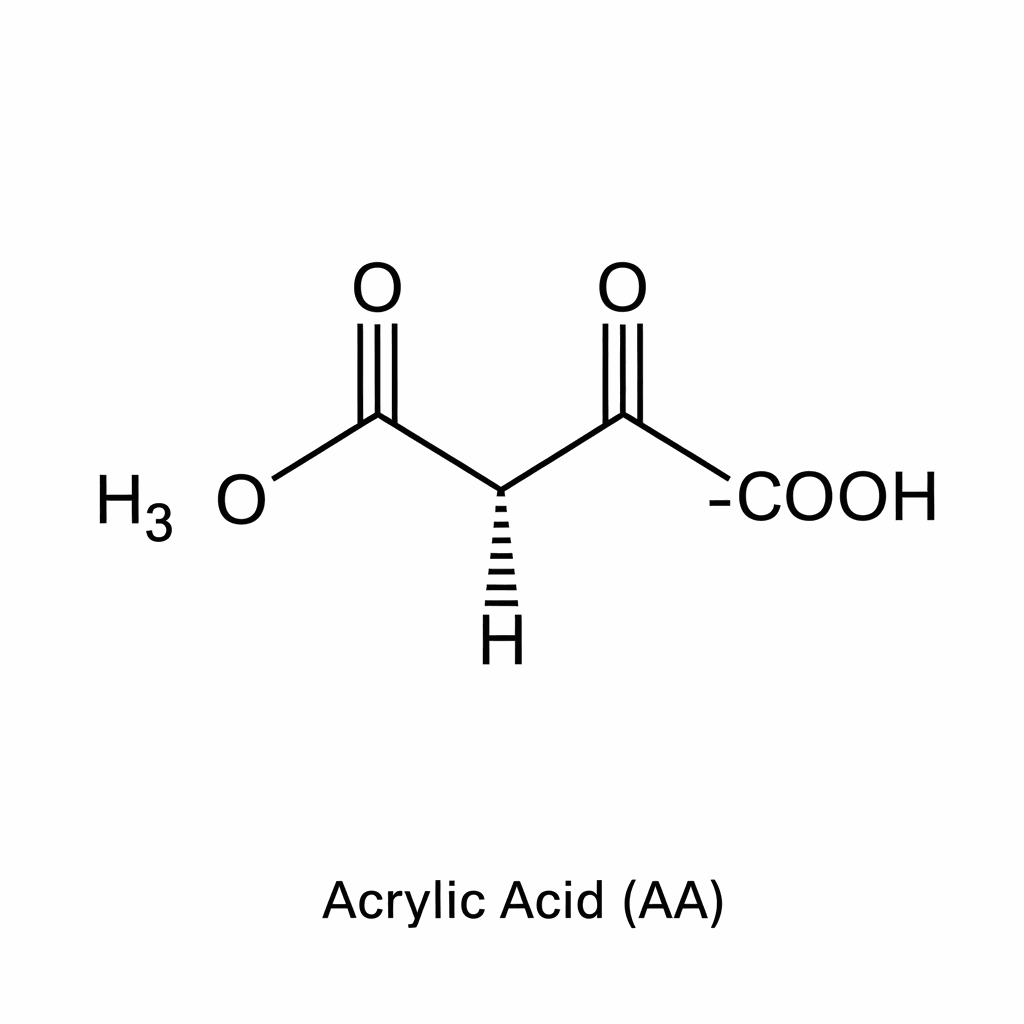
Acrylic Acid (CAS No: 79-10-7) is the simplest unsaturated carboxylic acid, consisting of a vinyl group directly attached to a carboxylic acid terminus. This clear, colorless liquid possesses a characteristic acrid odor and is highly miscible with water, alcohols, and ethers. Chemically, it is defined by its bifunctional nature, containing both a reactive double bond and an acidic carboxyl group, which allows it to undergo a wide variety of polymerization and esterification reactions. As a monomer, it readily homopolymerizes or copolymerizes with other monomers like acrylamide or esters to form polymers with diverse physical properties. Due to its high reactivity, it is typically stored with inhibitors like hydroquinone monomethyl ether to prevent spontaneous, exothermic polymerization. It serves as a fundamental building block in the petrochemical industry, particularly in the production of superabsorbent polymers, coatings, and adhesives, where its ability to impart hydrophilicity and ionic charge is highly valued by engineers.
Attributes

Key Features and Benefits

  • High Reactivity: The presence of the vinyl group facilitates rapid radical polymerization and addition reactions under mild industrial conditions.
  • Superior Solubility: The molecule is completely miscible in water and organic solvents, aiding in diverse formulation requirements for liquid-phase synthesis.
  • Bifunctional Versatility: Dual functionality enables the synthesis of homopolymers, copolymers, and esters, providing a wide range of molecular architectures.
  • Strong Carboxylic Acidity: Its acid group allows for neutralization with various bases to form salts that exhibit high water-absorbing capacities.
  • Chemical Intermediate: Acts as a primary precursor for acrylic esters, which are essential for manufacturing durable plastic materials and specialty resins.
Specifications

Technical Highlights

  • Molecular Formula and Weight: C3H4O2 with a molar mass of 72.06 g/mol, characterized by its low molecular weight and high vapor pressure.
  • Physical Constants: Boils at 141°C and freezes at 13°C, necessitating precise temperature control during storage to prevent crystallization and subsequent inhibitor depletion.
  • Acidity and Dissociation: Exhibits a pKa of approximately 4.25, demonstrating typical carboxylic acid behavior and reactivity toward nucleophiles and metallic ions.
  • Flash Point and Safety: Possesses a flash point of 48°C (closed cup), requiring stringent explosion-proof equipment and proper ventilation in manufacturing facilities.
  • Purity and Inhibitors: Usually supplied at 99% purity, stabilized with 200 ppm of MEHQ to maintain stability during transport and storage.

Download Technical Data Sheet (TDS)

Practical industry uses

Applications

  • Superabsorbent Polymers (SAP): Major use in personal care products like diapers and hygiene items due to its incredible ability to absorb aqueous fluids.
  • Surface Coatings: Utilized in the production of architectural paints and industrial coatings to provide better adhesion, durability, and weather resistance.
  • Adhesives and Sealants: Employed in formulating high-performance pressure-sensitive adhesives used in tapes, labels, and specialized automotive and construction bonding applications.
  • Water Treatment: Used to produce polyacrylic acid and its salts, which act as dispersants and scale inhibitors in cooling water systems.
  • Textile and Paper Finishes: Integrated into finishes to improve the stiffness, strength, and dyeability of fabrics and various high-grade paper products.
Key Sectors

Target Industries

Discover more

Related products

Key Sectors

We’re Here to Support Your Chemical Sourcing Needs

Have a question or need a quote? Our team is here to help with product details, pricing, and global delivery options.

Send a message to us

Your email address will not be published. Required fields are marked *