High-Purity Solvents, Water Treatments

Amino Trimethylene Phosphonic Acid (ATMP)

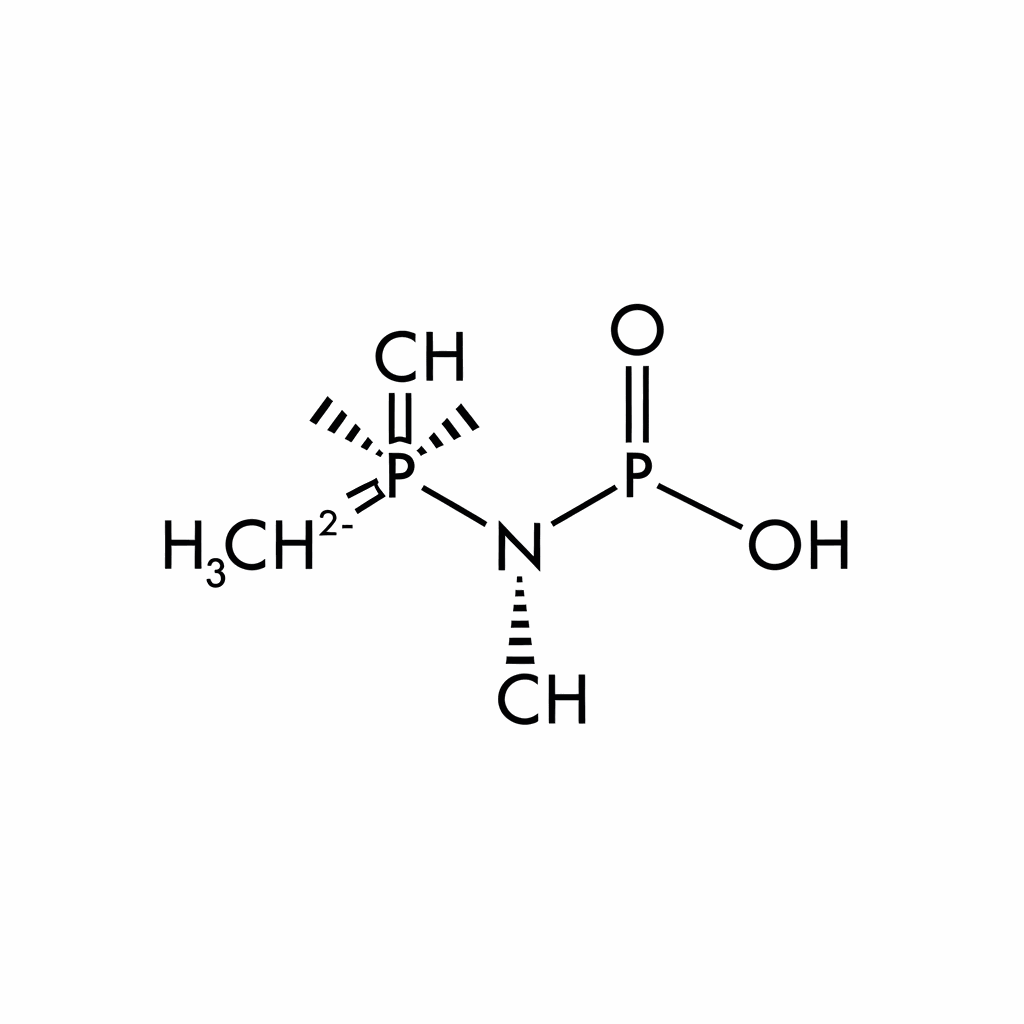
Amino Trimethylene Phosphonic Acid (ATMP), identified by CAS number 6419-19-8, is a highly effective organophosphonic acid widely recognized for its superior sequestration and scale inhibition properties. Structurally, it consists of a central nitrogen atom bonded to three phosphonic acid functional groups via methylene bridges (N(CH2PO3H2)3). This configuration allows ATMP to function as a powerful multi-dentate chelating agent.

In industrial water treatment, ATMP is valued for its “threshold effect,” where it prevents the precipitation of scale-forming salts—specifically calcium carbonate—at concentrations significantly lower than stoichiometric requirements. Its chemical robustness ensures high thermal stability and resistance to hydrolysis, allowing it to remain active under the demanding conditions of high-pressure boilers and cooling towers. Whether utilized as a 50% aqueous solution or a solid crystalline powder, ATMP serves as a cornerstone in mineral scale control and corrosion inhibition programs, often working synergistically with zinc salts and other phosphates to protect metallic infrastructure across various heavy industries.

Attributes

Key Features and Benefits

  • Superior Scale Inhibition: Demonstrates exceptional efficiency in preventing carbonate, sulfate, and phosphate scales through lattice distortion.
  • Threshold Effect: Provides high-performance mineral control at very low dosages, reducing overall chemical consumption and costs.
  • Thermal and Chemical Stability: Resists decomposition at high temperatures and remains stable across a wide pH range (alkaline to acidic).
  • Strong Chelation: Effectively sequesters divalent and trivalent metal ions such as Ca2+, Mg2+, Fe3+, and Cu2+.
  • Corrosion Synergist: Enhances the protective film-forming capabilities of inorganic phosphates and zinc-based corrosion inhibitors.
  • Low Toxicity: Environmentally manageable with better safety profiles compared to traditional EDTA or chromate-based treatments.
Specifications

Technical Highlights

  • Chemical Formula: C3H12NO9P3
  • Molecular Weight: 299.05 g/mol.
  • Physical State: Available as a clear, colorless to pale yellow aqueous solution (typically 50% active) or a white crystalline solid (95%+).
  • Acidity: Highly acidic with a 1% solution pH typically ≤ 2.0.
  • Specific Gravity: Approximately 1.30–1.40 for liquid concentrations.
  • Purity Standards: Rigorous control over iron (Fe) content (usually <20 ppm) and chloride levels to ensure stability.
  • Solubility: Highly soluble in water, facilitating easy dosing and integration into liquid treatment programs.
  • Compatibility: Stable in the presence of chlorine and other oxidizing biocides at standard concentrations.

Download Technical Data Sheet (TDS)

Practical industry uses

Applications

  • Industrial Cooling Systems: Prevents scale buildup in recirculating cooling water systems for power plants and refineries.
  • Oilfield Operations: Used in water injection systems and squeeze treatments to prevent downhole scaling in oil production.
  • Boiler Water Treatment: Protects heat transfer surfaces in low and medium-pressure boilers from mineral deposition.
  • Textile Industry: Functions as a sequestering agent and stabilizer for peroxide bleaching baths to prevent catalytic fiber damage.
  • Metal Surface Treatment: Utilized as a cleaning agent to prevent mineral precipitation during electroplating and metal finishing.
  • Detergents and Cleaners: Incorporated into industrial cleaners to manage water hardness and improve soil removal efficiency.
Key Sectors

Target Industries

Discover more

Related products

Key Sectors

We’re Here to Support Your Chemical Sourcing Needs

Have a question or need a quote? Our team is here to help with product details, pricing, and global delivery options.

Send a message to us

Your email address will not be published. Required fields are marked *