Electro Plating, High-Purity Solvents

Butynediol Propoxylate (BMP)

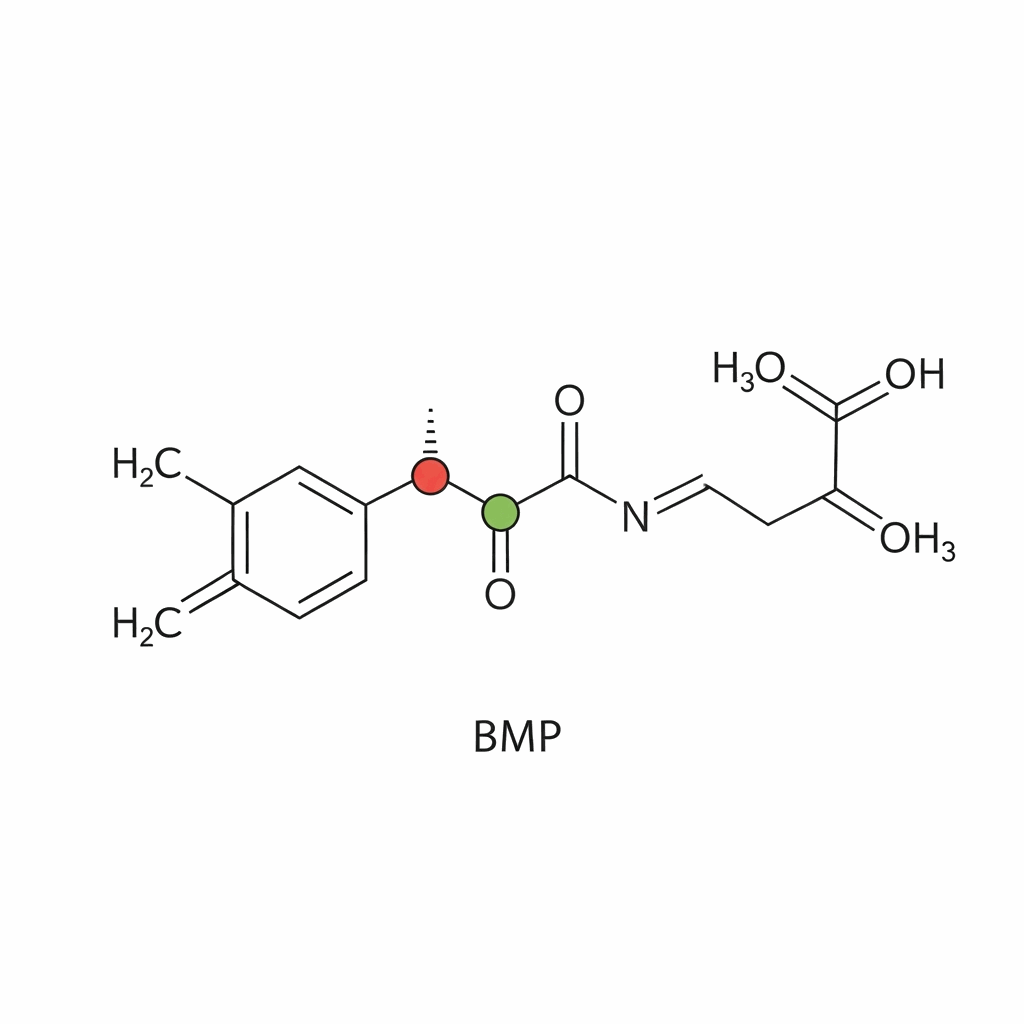
Butynediol Propoxylate, identified by CAS number 1606-79-7 and often abbreviated as BMP, is a specialized chemical intermediate primarily utilized within the electroplating industry. It is synthesized through the propoxylation of 1,4-butynediol, resulting in a clear, yellow to brownish liquid that functions as a high-performance brightener and leveling agent for nickel plating processes. BMP is valued for its ability to produce mirror-like finishes while maintaining exceptional stability in acidic electrolyte baths. Unlike simpler alkynes, its propoxylated structure enhances its solubility and compatibility with various surfactants, ensuring uniform deposition across complex geometries. This chemical plays a critical role in the formulation of secondary brighteners, where it works synergistically with primary carriers to reduce internal stress and improve the ductility of the nickel layer. Its low volatility and high purity make it a preferred choice for high-end surface finishing applications where consistent quality and durability are paramount for industrial and decorative metal components.

Attributes

Key Features and Benefits

  • Superior Leveling: Provides excellent micro-throwing power for smooth surfaces.
  • High Brilliance: Ensures mirror-like reflectivity in decorative nickel plating.
  • Chemical Stability: Remains stable in low pH acidic electrolyte solutions.
  • Low Consumption: High efficiency reduces the required dosage during operation.
  • Synergy: Works effectively with PPS or saccharin for optimal coating quality.
  • Improved Ductility: Reduces internal stress, preventing plating brittleness or cracking.
  • Enhanced Solubility: Propoxylation ensures better mixing than standard butynediol.
  • Wide Current Range: Operates effectively across varying current densities.
  • Corrosion Resistance: Contributes to a dense, protective nickel layer.
  • High Purity: Minimizes byproduct contamination for reliable and consistent manufacturing results in plating tanks.
Specifications

Technical Highlights

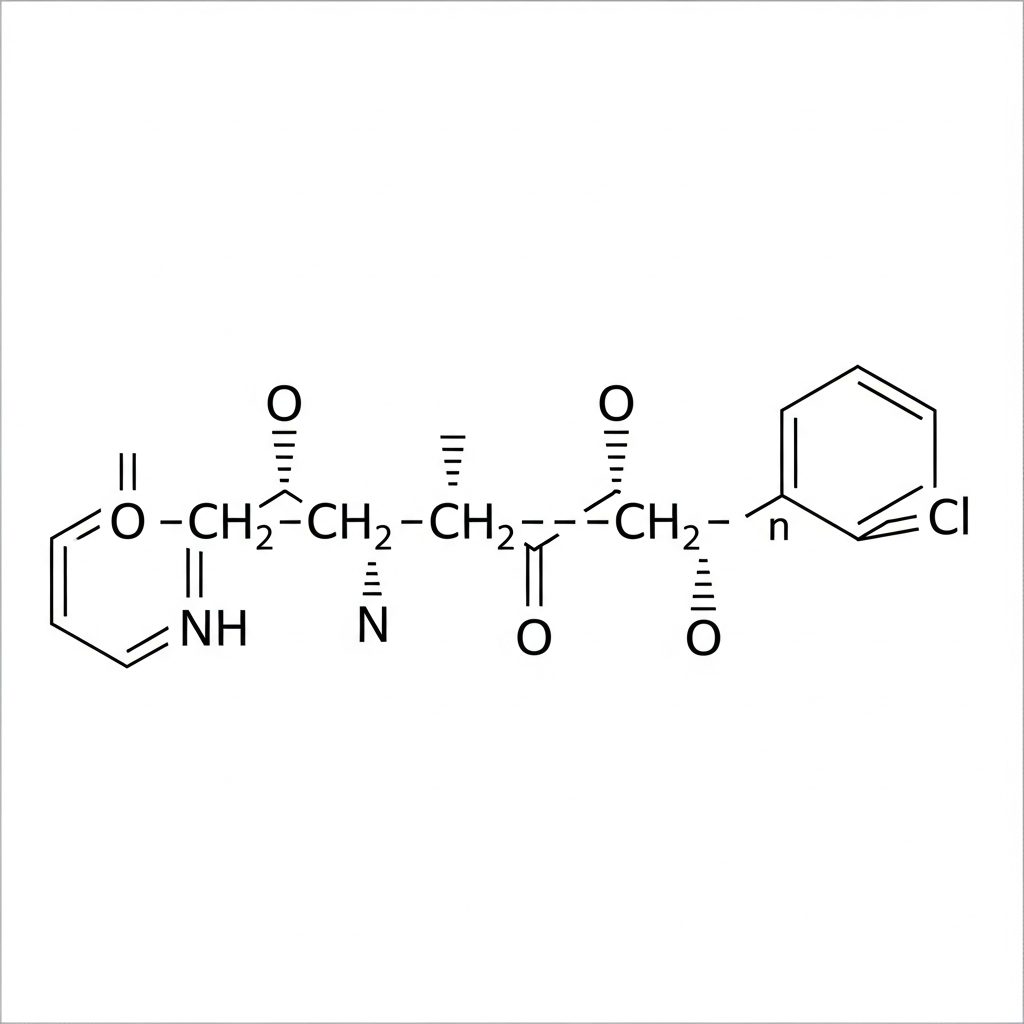
  • Chemical Name: 2-Butyne-1,4-diol, polymer with methyloxirane.
  • Molecular Formula: (C3H6O)nC4H6O2.
  • Physical State: Clear yellow to amber viscous liquid.
  • Active Content: Typically supplied at 95% minimum purity.
  • Density: Approximately 1.05 to 1.10 g/cm³ at room temperature.
  • Solubility: Highly soluble in water and acidic media.
  • Function: Acts as a secondary brightener in Watts nickel baths.
  • Mechanism: Adsorbs on high-current density areas to regulate grain growth.
  • Compatibility: Miscible with sulfate and chloride-based plating salts.
  • Storage: Stable shelf life when kept in sealed containers away from light and heat to preserve integrity of the formula.

Download Technical Data Sheet (TDS)

Practical industry uses

Applications

  • Bright Nickel Plating: Used extensively in electrolytic nickel baths for mirror finishing.
  • Automotive Industry: Coating of bumpers, rims, and decorative trim for durability.
  • Electronics: Plating connectors and components to ensure conductive, corrosion-resistant surfaces.
  • Hardware: Finishing for tools, bathroom fixtures, and household metallic furniture.
  • Aerospace: Applying protective nickel layers on specialized alloy engine components.
  • Leveling Formulations: Vital component in high-leveling commercial brightener concentrates.
  • Protective Coatings: Base layer for subsequent chromium or gold electroplating processes.
  • Industrial Tooling: Enhancing wear resistance of dies and molds through nickel deposition and specialized surface treatment to protect components.
Key Sectors

Target Industries

Discover more

Related products

Key Sectors

We’re Here to Support Your Chemical Sourcing Needs

Have a question or need a quote? Our team is here to help with product details, pricing, and global delivery options.

Send a message to us

Your email address will not be published. Required fields are marked *