Bio - Based / Green Solvents, High-Purity Solvents

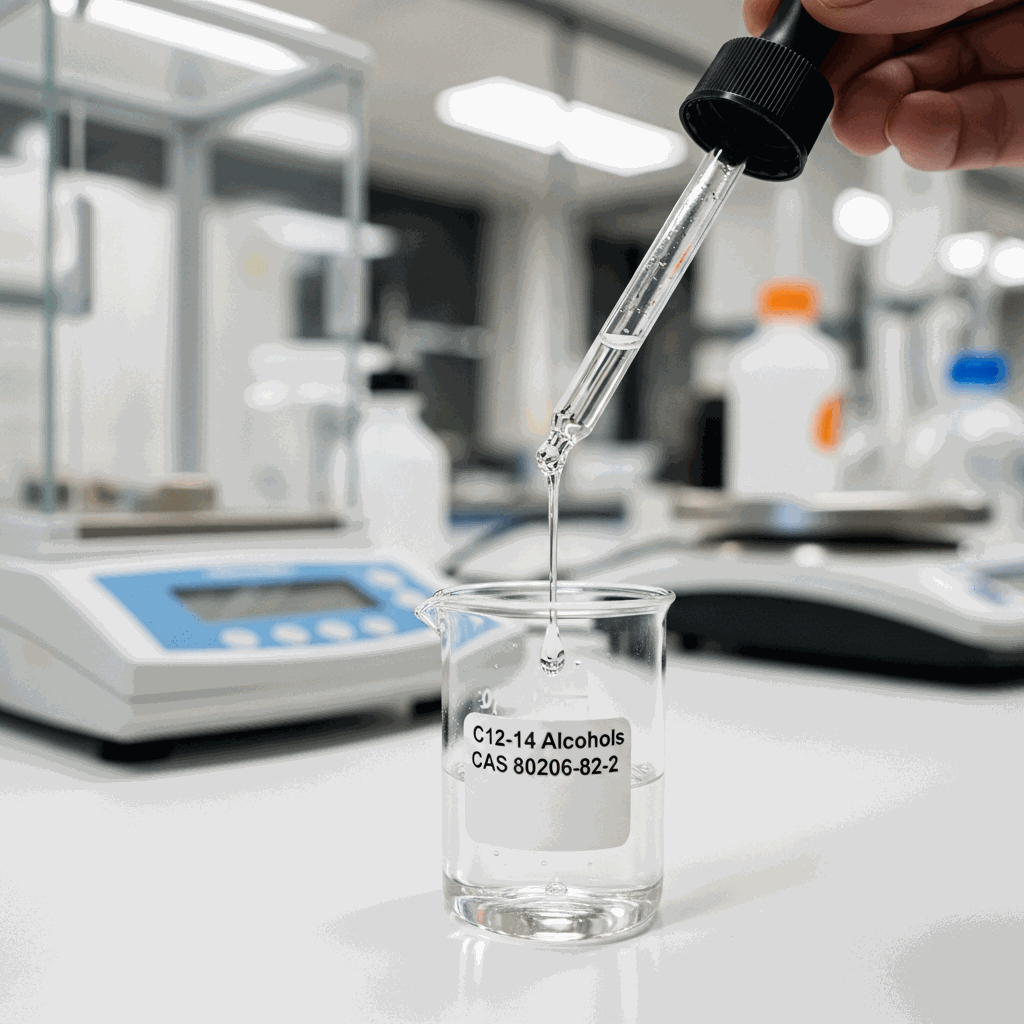
C12–14 Alcohols

C12–14 alcohols, often referred to as lauryl-myristyl alcohol blends, are fatty alcohols derived predominantly from natural vegetable oils such as coconut or palm kernel oil through hydrogenation. These high-purity linear primary alcohols consist mainly of dodecanol and tetradecanol. Structurally, they possess a hydrophilic hydroxyl group attached to a long hydrophobic alkyl chain, characterizing them as non-ionic amphiphilic molecules. Physically, they appear as a colorless, clear liquid or a white waxy solid depending on the ambient temperature and exact blend ratio. They are known for their excellent stability, biodegradability, and low toxicity, making them indispensable building blocks in the chemical industry. These alcohols serve as critical precursors for the production of surfactants like alcohol ethoxylates and sulfates. Their inherent chemical nature allows for efficient esterification and ethoxylation reactions, providing versatility across numerous industrial formulations while ensuring compatibility with diverse chemical environments and maintaining a favorable environmental profile throughout their various industrial lifecycles.

Attributes

Key Features and Benefits

  • Derived from renewable natural resources like palm kernel or coconut oil, ensuring a sustainable raw material base for green chemistry.
  • Excellent chemical stability under varied temperature and pH conditions, preventing degradation during complex industrial processing or long-term storage.
  • High biodegradability profile, making them environmentally preferred alternatives to petroleum-based synthetics in consumer-facing household and personal care products.
  • Functions as an efficient emollient and thickening agent, providing desired rheological properties and skin-feel in cosmetic and topical applications.
  • Versatile reactivity allows for seamless conversion into anionic, non-ionic, or cationic surfactants via ethoxylation, sulfation, or other chemical modifications.
Specifications

Technical Highlights

  • Hydroxyl Value: Typically ranges between 280 and 295 mg KOH/g, indicating high purity and consistent reactivity for downstream synthesis.
  • Chain Distribution: Predominantly C12 (65-75%) and C14 (22-30%), providing a balanced hydrophobic-lipophilic balance for surfactant performance.
  • Acid Value: Maintained below 0.1 mg KOH/g to minimize secondary reactions and ensure high stability in sensitive chemical formulations.
  • Iodine Value: Generally less than 0.1 g I2/100g, signifying a very low degree of unsaturation and resistance to oxidative rancidity.
  • Moisture Content: Controlled strictly below 0.1% to prevent hydrolysis in anhydrous systems and ensure compatibility with water-sensitive chemical reagents.

Download Technical Data Sheet (TDS)

Practical industry uses

Applications

  • Primary feedstock for manufacturing Sodium Lauryl Ether Sulfate (SLES) and Alcohol Ethoxylates used extensively in detergents and shampoos.
  • Used as a lubricant additive and metalworking fluid component to improve surface lubricity and reduce friction in industrial machining processes.
  • Acts as an essential emollient and consistency regulator in personal care formulations like lotions, creams, and hair conditioners.
  • Serves as a chemical intermediate in the production of plasticizers, alkyl amines, and fatty acid esters for various polymer industries.
  • Utilized in the agricultural sector as a component in pesticide formulations to enhance wetting properties and improve active ingredient delivery.
Key Sectors

Target Industries

Discover more

Related products

Key Sectors

We’re Here to Support Your Chemical Sourcing Needs

Have a question or need a quote? Our team is here to help with product details, pricing, and global delivery options.

Send a message to us

Your email address will not be published. Required fields are marked *