High-Purity Solvents, Personal Care

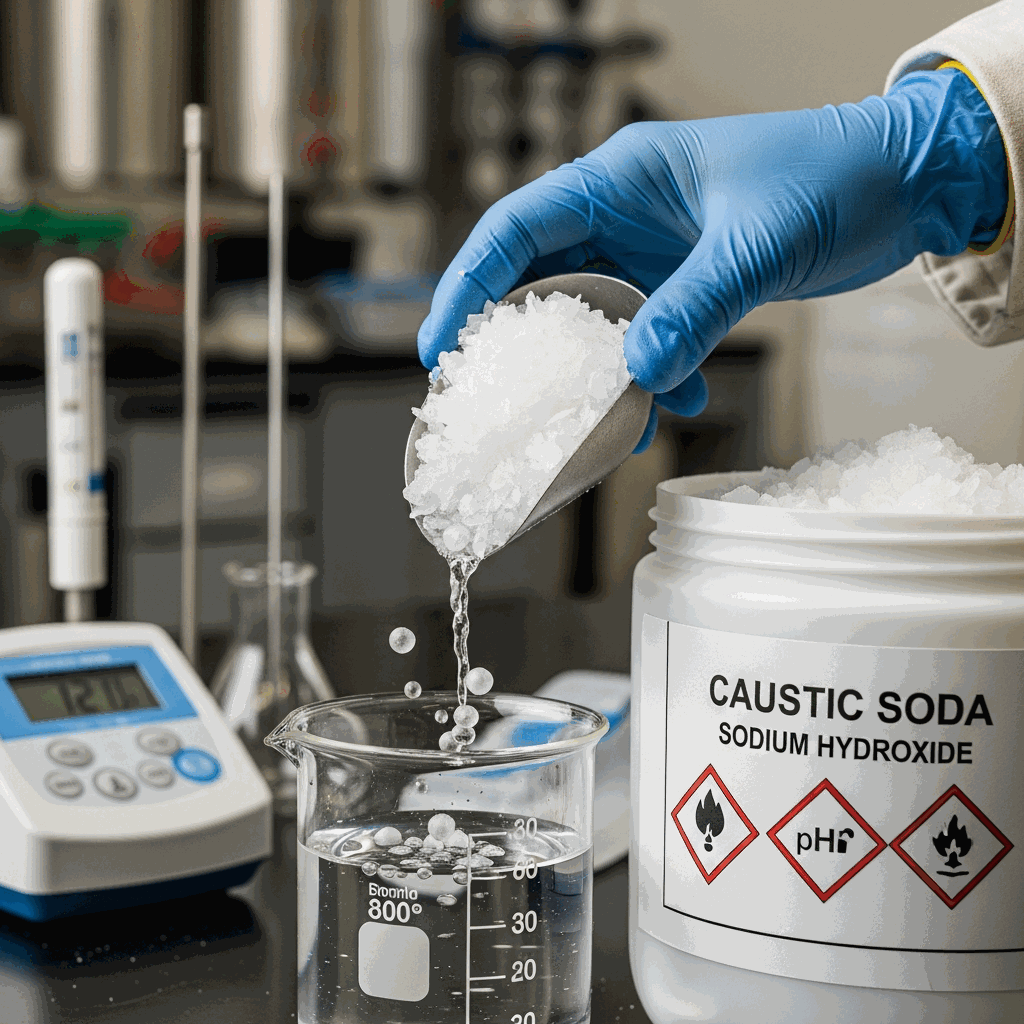
Caustic Soda Flakes / Pearls

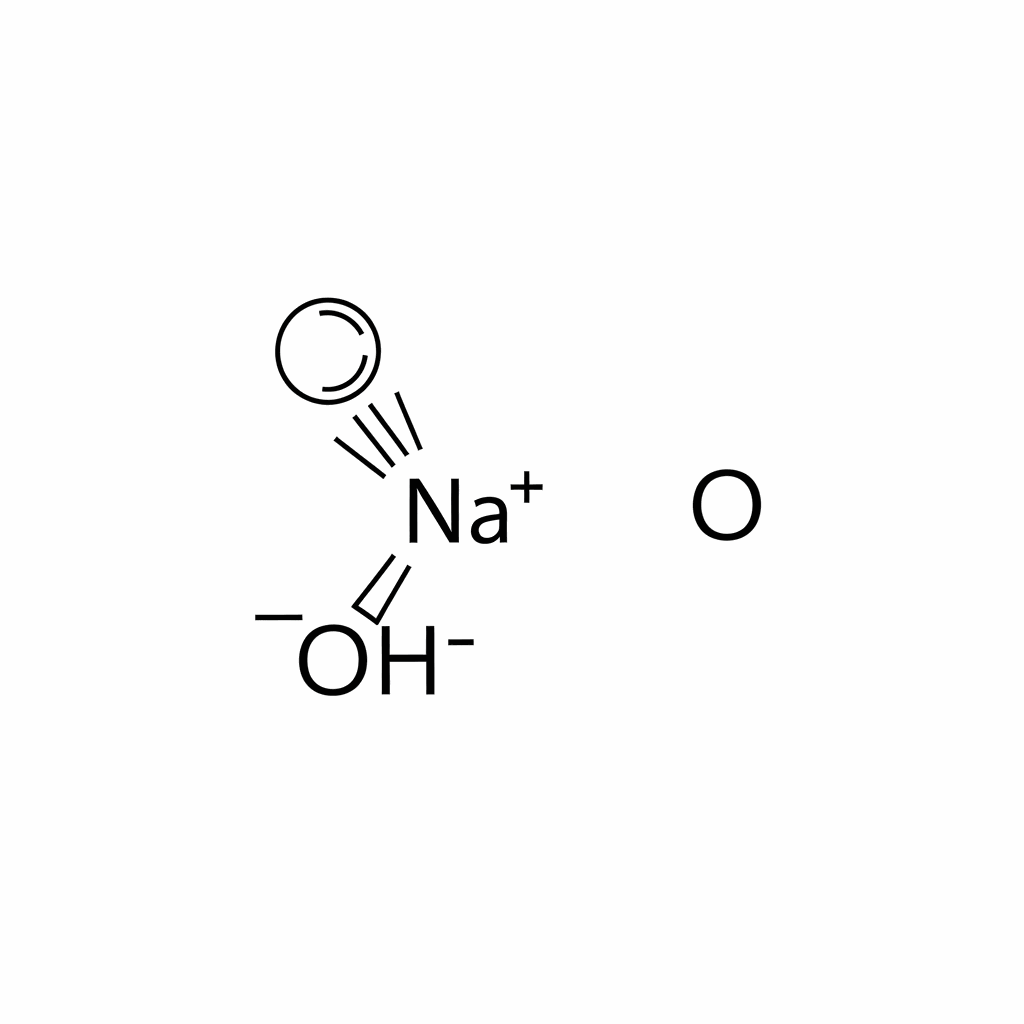
Caustic Soda, technically known as Sodium Hydroxide (NaOH), is one of the most fundamental inorganic compounds in the chemical industry. Available primarily in two solid forms—Flakes and Pearls—it is a white, odorless, and highly deliquescent substance. Caustic Soda Flakes are typically produced through the evaporation of liquid caustic soda, while Pearls are manufactured via a specialized prilling process, resulting in uniform, spherical beads that offer superior flowability and reduced dust levels.

As a strong base, Sodium Hydroxide is characterized by its extreme alkalinity and high solubility in water, a process that is significantly exothermic, releasing substantial thermal energy. It is essential for a wide range of industrial processes due to its ability to react with acids, hydrolyze fats and proteins, and adjust pH levels. Given its highly corrosive nature, it requires rigorous handling protocols, specialized storage, and personal protective equipment (PPE) to prevent chemical burns and equipment degradation.

Attributes

Key Features and Benefits

  • High Purity: Typically available in concentrations of 98% to 99%, ensuring consistent performance in sensitive chemical syntheses.
  • Superior Solubility: Dissolves rapidly in water, ethanol, and methanol, facilitating efficient liquid-phase reactions.
  • Form Versatility: Pearls offer a low-dust, free-flowing alternative to flakes, making them ideal for automated dosing and pneumatic conveying.
  • Strong Alkalinity: Acts as a powerful neutralizing agent for acidic waste streams and process catalysts.
  • Hygroscopic Nature: Effectively absorbs moisture and carbon dioxide from the atmosphere, useful in specific drying applications.
  • Cost-Efficiency: Provides a high concentration of hydroxyl ions at a relatively low industrial price point.
Specifications

Technical Highlights

  • Chemical Formula: NaOH
  • CAS Number: 1310-73-2
  • Molecular Weight: 39.997 g/mol
  • Physical State: White solid (Flakes: irregular 0.5–2cm; Pearls: 0.5–1.5mm spheres).
  • Melting Point: 318 °C (604 °F).
  • Boiling Point: 1,388 °C (2,530 °F).
  • pH Level: Approximately 13–14 in a 5% aqueous solution.
  • Specific Gravity: 2.13 at 25 °C.
  • Solubility: 109 g/100 mL at 20 °C (highly exothermic dissolution).
  • Regulatory Classification: UN1823, Hazard Class 8 (Corrosive Substance), Packing Group II.

Download Technical Data Sheet (TDS)

Practical industry uses

Applications

  • Pulp and Paper: Essential for the Kraft process in wood pulp digestion and the bleaching of recycled fibers.
  • Soap and Detergents: Facilitates the saponification of fats and oils into soap and acts as a surfactant stabilizer.
  • Water Treatment: Used for pH adjustment, water softening, and the regeneration of ion-exchange resins.
  • Textile Processing: Employed in the mercerization of cotton to improve luster and dye affinity.
  • Alumina Production: Vital for the Bayer process, where it dissolves bauxite ore to extract aluminum hydroxide.
  • Chemical Manufacturing: Serves as a primary reagent for producing intermediate chemicals, plastics, and pharmaceuticals.
  • Petroleum Industry: Used to remove acidic contaminants (mercaptans) from hydrocarbons and refined products.
Key Sectors

Target Industries

Discover more

Related products

Key Sectors

We’re Here to Support Your Chemical Sourcing Needs

Have a question or need a quote? Our team is here to help with product details, pricing, and global delivery options.

Send a message to us

Your email address will not be published. Required fields are marked *