High-Purity Solvents, Ketones

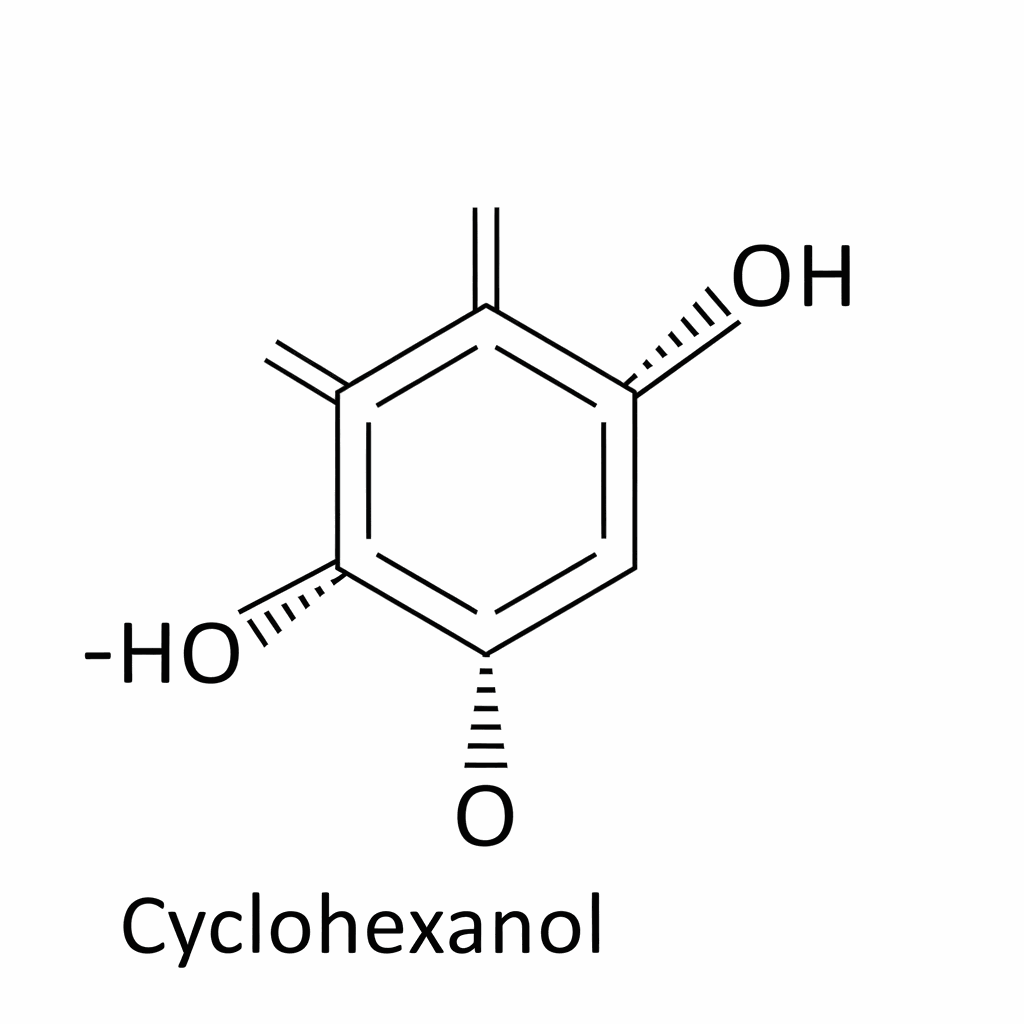
Cyclohexanol

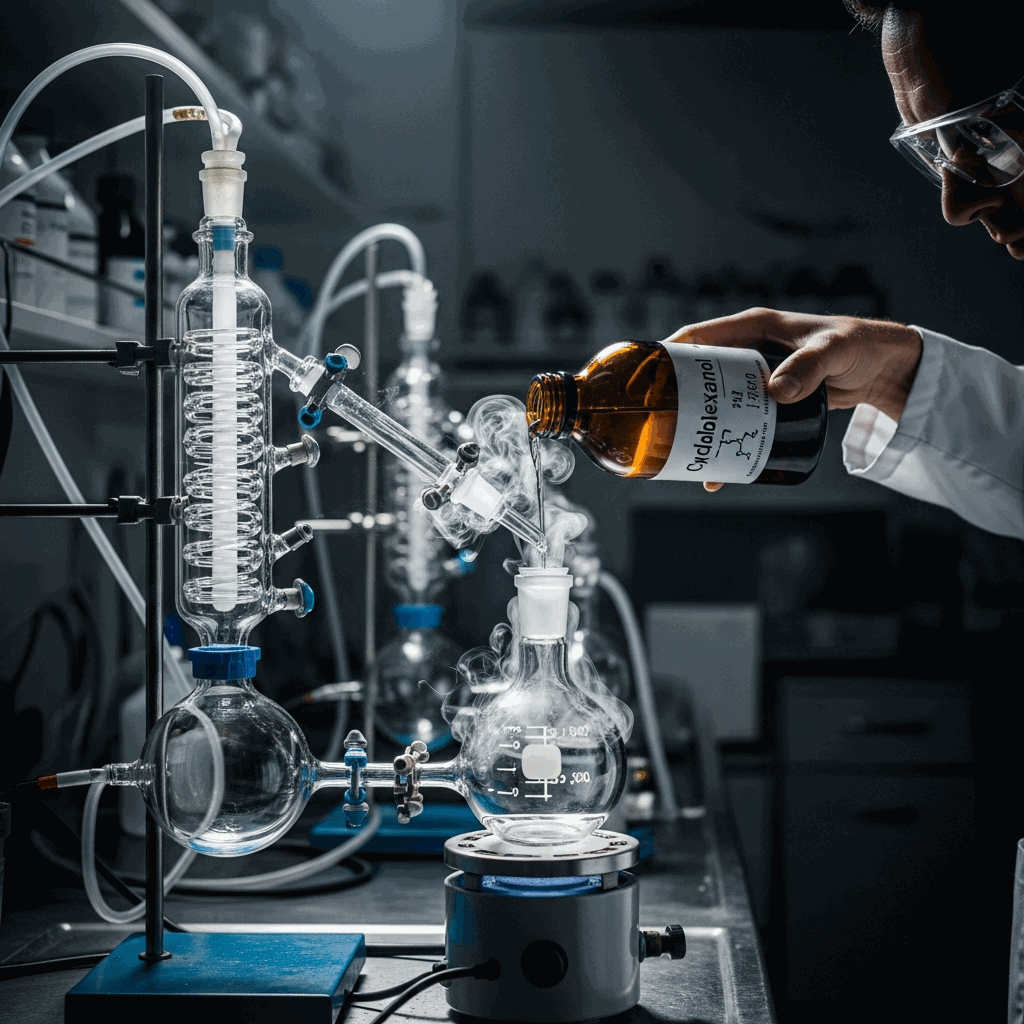
Cyclohexanol, identified by CAS number 108-93-0, is a secondary alcohol derived from cyclohexane through oxidation. It appears as a colorless, viscous liquid or a needle-like solid at temperatures below its melting point of approximately 25 degrees Celsius. This cyclic organic compound possesses a distinctive, camphor-like odor and is slightly soluble in water while being highly miscible with most common organic solvents, including ethanol, ether, and benzene. Primarily, cyclohexanol serves as a critical intermediate in the industrial production of adipic acid and caprolactam, which are the fundamental precursors for manufacturing Nylon 6,6 and Nylon 6, respectively. Beyond its role in polymer synthesis, it functions effectively as a versatile solvent for resins, lacquers, and various coatings. Its chemical reactivity allows it to undergo dehydration to form cyclohexene or oxidation to produce cyclohexanone. Due to its stability and utility, cyclohexanol remains an essential building block in the global chemical industry, supporting diverse manufacturing.

Attributes

Key Features and Benefits

  • High solvency power for various resins, gums, and cellulose-based lacquers.
  • Acts as a vital precursor for nylon production, specifically for adipic acid synthesis.
  • Excellent chemical stability under standard industrial storage and processing conditions.
  • Relatively low volatility compared to other cyclic alcohols, reducing evaporative loss.
  • Miscible with a wide range of organic solvents, facilitating flexible formulation designs.
  • Serves as an effective stabilizer in soaps and detergent formulations.
  • Low toxicity profile compared to more reactive cyclic compounds in industrial environments.
  • Enhances the leveling properties of architectural coatings and automotive paints.
Specifications

Technical Highlights

  • Molecular formula C6H12O with a molar mass of 100.16 grams per mole.
  • Melting point of 25.2°C and a boiling point of 161.1°C at standard pressure.
  • Density is approximately 0.962 g/mL at 20°C, providing predictable volume-to-mass ratios.
  • Vapor pressure is 1.3 hPa at 20°C, ensuring controlled evaporation rates in processes.
  • Flash point of 68°C (closed cup), requiring standard safety measures for flammable liquids.
  • High purity levels available, typically exceeding 99% for demanding industrial chemical applications.
  • Low water solubility of approximately 36 g/L at 20°C limits aqueous contamination risks.

Download Technical Data Sheet (TDS)

Practical industry uses

Applications

  • Primary raw material for the production of adipic acid used in Nylon 6,6.
  • Essential intermediate in the manufacturing of caprolactam for Nylon 6 fibers.
  • Used as a solvent in the production of lacquers, varnishes, and shellacs.
  • Applied in the textile industry as a cleaning agent and dye leveling assistant.
  • Component in the formulation of pesticides and various agricultural chemical products.
  • Used as a chemical intermediate for plasticizers like dicyclohexyl phthalate.
  • Utilized in the pharmaceutical industry for synthesizing specific medicinal compounds.
  • Ingredient in industrial soaps, detergents, and dry-cleaning fluid formulations.
Key Sectors

Target Industries

Discover more

Related products

Key Sectors

We’re Here to Support Your Chemical Sourcing Needs

Have a question or need a quote? Our team is here to help with product details, pricing, and global delivery options.

Send a message to us

Your email address will not be published. Required fields are marked *