Bio - Based / Green Solvents, High-Purity Solvents

Di-n-hexyl Azelate

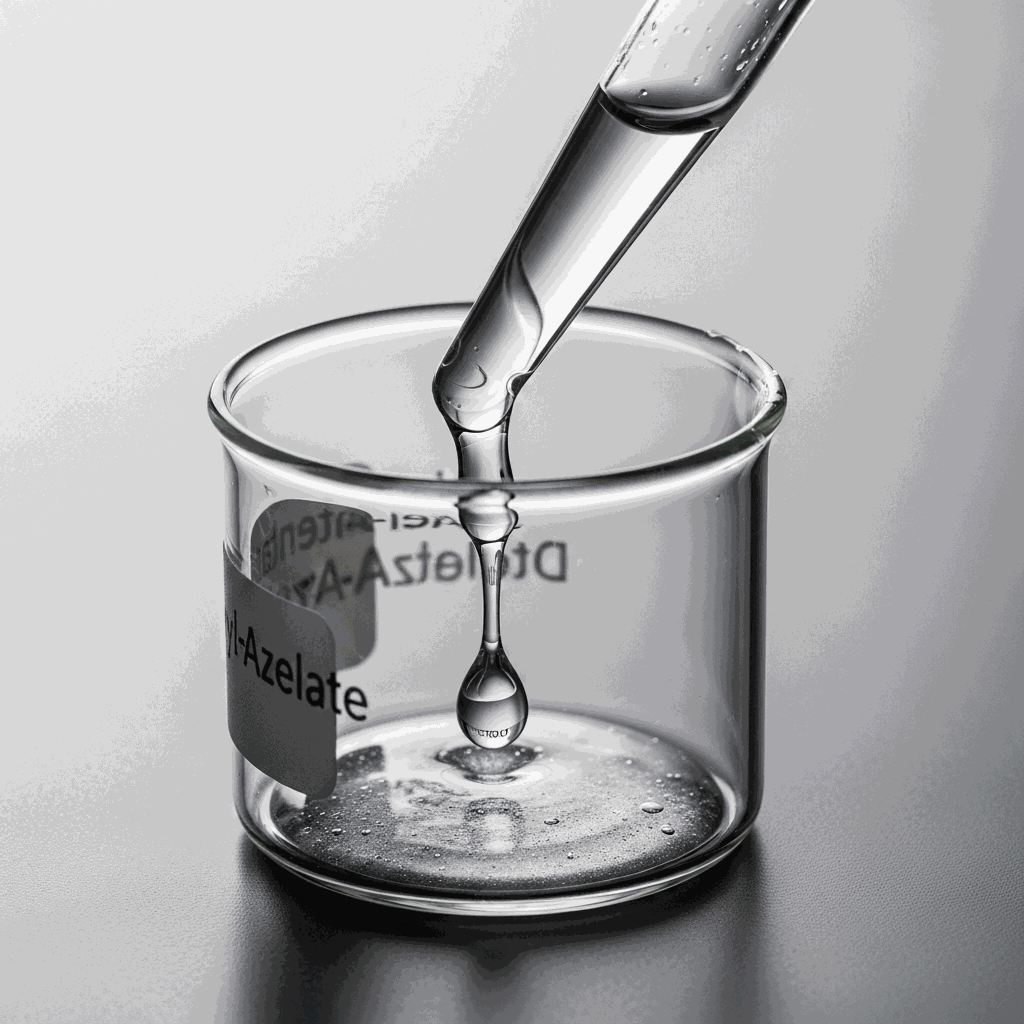
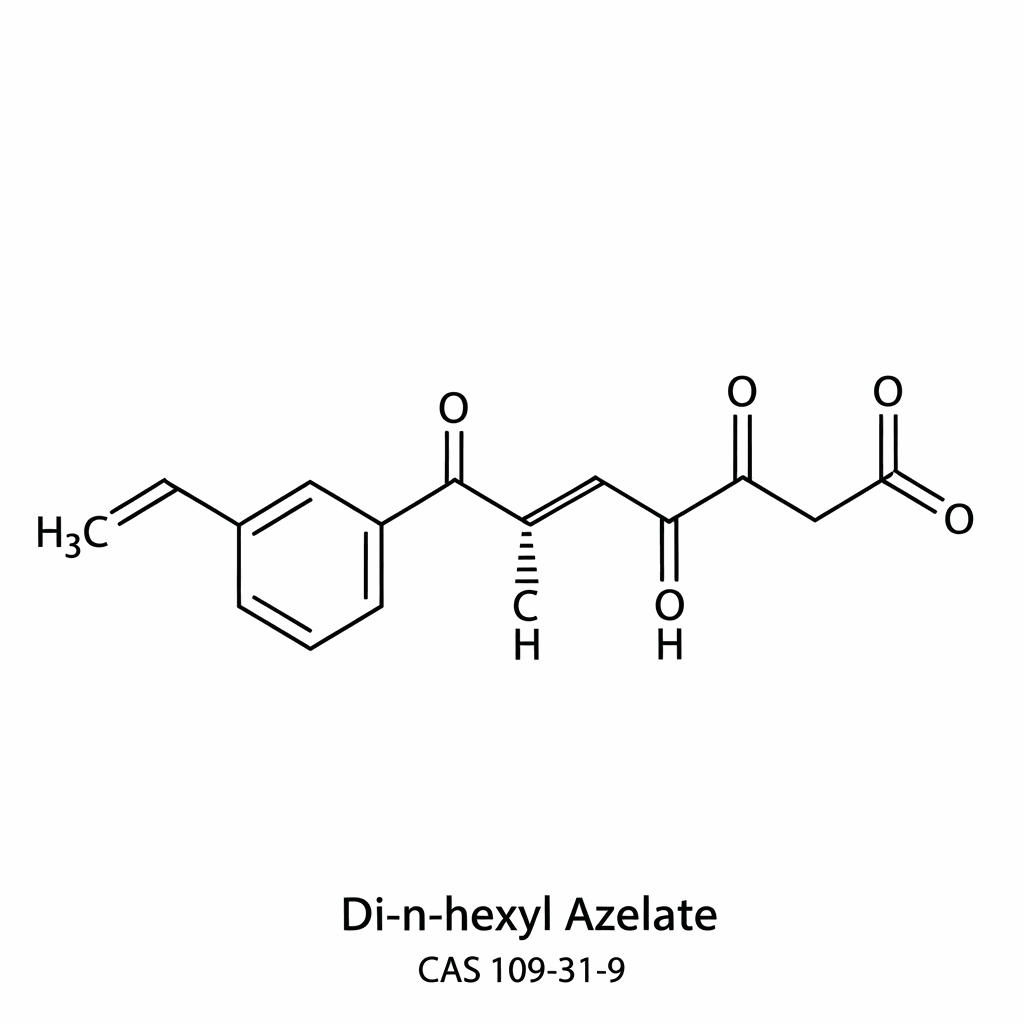
Di-n-hexyl azelate is a linear diester synthesized via the esterification of azelaic acid with n-hexyl alcohol. This clear, oily liquid is characterized by its high boiling point and exceptionally low volatility, making it a preferred choice in high-temperature environments. Chemically, it represents the condensation product of a C9 dicarboxylic acid and a C6 aliphatic alcohol, yielding a molecule with a molecular weight of 356.54 g/mol. Its structural symmetry provides unique rheological properties, particularly in lubricating applications where low-temperature fluidity and high-viscosity index are paramount. As a non-polar solvent, it demonstrates excellent compatibility with various polymers, acting as an effective plasticizer to enhance flexibility without compromising thermal stability. The compound is relatively inert, exhibiting resistance to oxidative degradation while maintaining a low pour point. Its role in industrial chemistry spans from specialty lubricants to precision engineered coatings, where its specific molecular architecture ensures consistent performance across wide temperature ranges and conditions.

Attributes

Key Features and Benefits

  • Exhibits exceptional low-temperature flexibility and fluidity due to its unique linear aliphatic chain structure, preventing brittle failures in cold climates.
  • Demonstrates very low volatility and high flash points, which significantly enhances the safety profile in high-heat industrial manufacturing processes.
  • Outstanding oxidation resistance ensures long-term chemical stability and prevents acid formation even when continuously exposed to atmospheric oxygen levels.
  • Provides superior solvency and excellent compatibility with various synthetic resins, including PVC, nitrile rubber, and high-performance synthetic elastomers.
  • Acts as an extremely efficient internal lubricant, substantially reducing friction and mechanical wear in precision engineered mechanical assemblies.
Specifications

Technical Highlights

  • Molecular Formula: C21H40O4 with a precise molar mass of 356.54 grams per mole, ensuring predictable stoichiometric reactions in synthesis.
  • Boiling Point: approximately 210 to 220 degrees Celsius at a vacuum pressure of 5 mmHg, indicating high thermal stability.
  • Specific Gravity: ranges from 0.915 to 0.925 at 20 degrees Celsius, facilitating accurate volumetric measurement during industrial formulation processes.
  • Refractive Index: typically measured between 1.442 and 1.446 at 25 degrees Celsius, used as a standard for purity verification.
  • Pour Point: exceptionally low thermal threshold, often reaching below -60 degrees Celsius for high-grade synthetic and aerospace formulations.

Download Technical Data Sheet (TDS)

Practical industry uses

Applications

  • Functions as a primary high-performance plasticizer in specialized PVC, nitrile rubber, and polyurethanes to improve low-temperature elongation properties.
  • Utilized as a base fluid for synthetic jet engine lubricants and high-altitude aerospace hydraulic systems requiring extreme temperature reliability.
  • Serves as a critical additive in high-precision clock and instrument oils requiring consistent viscosity throughout significant thermal environmental shifts.
  • Incorporated as a component in stationary engine lubricants to minimize carbon deposit formation during prolonged high-temperature operation cycles.
  • Acts as a dispersing agent for pigments in specialized inks and protective industrial coatings for high-end automotive exterior applications.
Key Sectors

Target Industries

Discover more

Related products

Key Sectors

We’re Here to Support Your Chemical Sourcing Needs

Have a question or need a quote? Our team is here to help with product details, pricing, and global delivery options.

Send a message to us

Your email address will not be published. Required fields are marked *