Acetates & Esters, High-Purity Solvents

Di-n-octyl phthalate (DNOP)

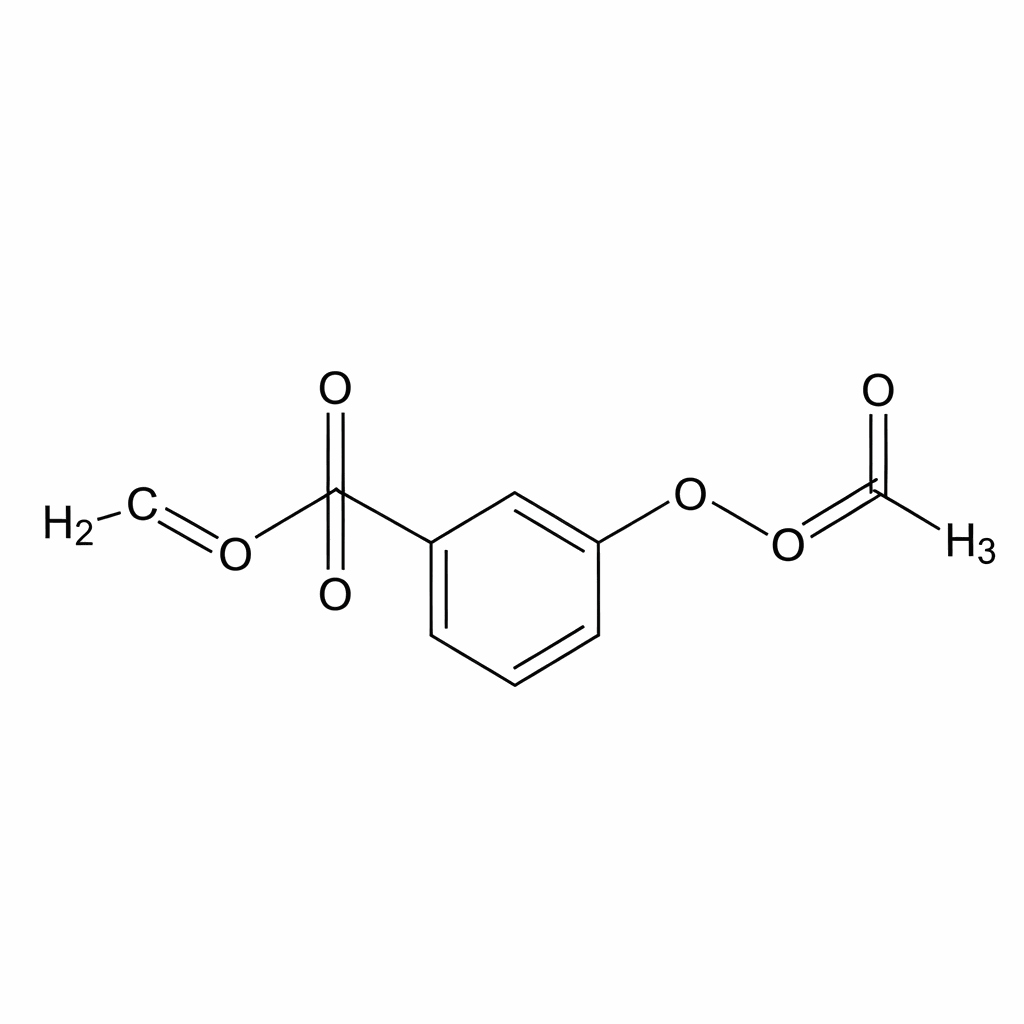
Di-n-octyl phthalate, commonly abbreviated as DNOP, is a colorless, oily liquid belonging to the phthalate ester family. Specifically, it is the diester of phthalic acid and n-octanol. Unlike branched isomers like DEHP, DNOP features linear alkyl chains, imparting unique physicochemical properties, including high boiling points and low volatility. Represented by the formula C24H38O4, it functions primarily as a specialty plasticizer designed to enhance the flexibility and durability of polyvinyl chloride and other polymers. It is characterized by excellent thermal stability and resistance to extraction by water or aqueous solutions. In the environment, DNOP is relatively stable but can undergo biodegradation. Due to regulatory scrutiny regarding phthalates, DNOP is utilized in specific industrial applications where its linear structure provides performance advantages over branched alternatives, particularly in low-temperature environments or specialized coatings requiring high precision and longevity. Its low vapor pressure and high flash point ensure safety and stability during high-temperature processing.

Attributes

Key Features and Benefits

  • High Plasticizing Efficiency: DNOP provides superior flexibility to vinyl resins, allowing for the production of soft, pliable materials even at high filler loadings.
  • Low Volatility: The high molecular weight and linear structure ensure minimal weight loss during processing and throughout the end-product’s service life.
  • Excellent Low-Temperature Performance: It maintains polymer flexibility in cold environments better than many branched phthalates, preventing brittleness and cracking.
  • Superior Weathering Resistance: The chemical structure offers inherent stability against UV radiation and oxidation, extending the durability of outdoor plastic products.
  • Low Water Extractability: Its hydrophobic nature ensures that the plasticizer remains within the polymer matrix when exposed to moisture or humid conditions.
Specifications

Technical Highlights

  • Molecular Weight and Formula: DNOP has a molecular weight of 390.56 g/mol and a chemical formula of C24H38O4, ensuring consistent chemical purity.
  • Density and Refractive Index: It exhibits a specific gravity of approximately 0.980 at 20 degrees Celsius and a refractive index of roughly 1.485.
  • Boiling and Flash Points: The compound features a high boiling point of 380 degrees Celsius and a flash point exceeding 200 degrees Celsius.
  • Solubility Profile: It is virtually insoluble in water but highly soluble in organic solvents like ethanol, ether, and chloroform, aiding various formulations.
  • Viscosity Parameters: The dynamic viscosity is approximately 40 mPa.s at 25 degrees Celsius, facilitating easy mixing and incorporation into resin blends.

Download Technical Data Sheet (TDS)

Practical industry uses

Applications

  • PVC Compounding: Primarily used as a plasticizer for polyvinyl chloride to manufacture flexible tubing, hoses, and profiles for industrial and automotive use.
  • Protective Coatings: Utilized in the formulation of nitrocellulose and ethyl cellulose lacquers to improve film flexibility and resistance to environmental degradation.
  • Adhesive Formulations: Added to synthetic rubber and resin-based adhesives to enhance tackiness and maintain bond integrity under varying thermal conditions.
  • Industrial Floorings: Integrated into vinyl flooring products to provide cushioning, impact resistance, and durability against heavy foot traffic and mechanical stress.
  • Cable Insulation: Employed in the production of wire and cable jackets, providing necessary electrical insulation properties and long-term mechanical flexibility.
Key Sectors

Target Industries

Discover more

Related products

Key Sectors

We’re Here to Support Your Chemical Sourcing Needs

Have a question or need a quote? Our team is here to help with product details, pricing, and global delivery options.

Send a message to us

Your email address will not be published. Required fields are marked *