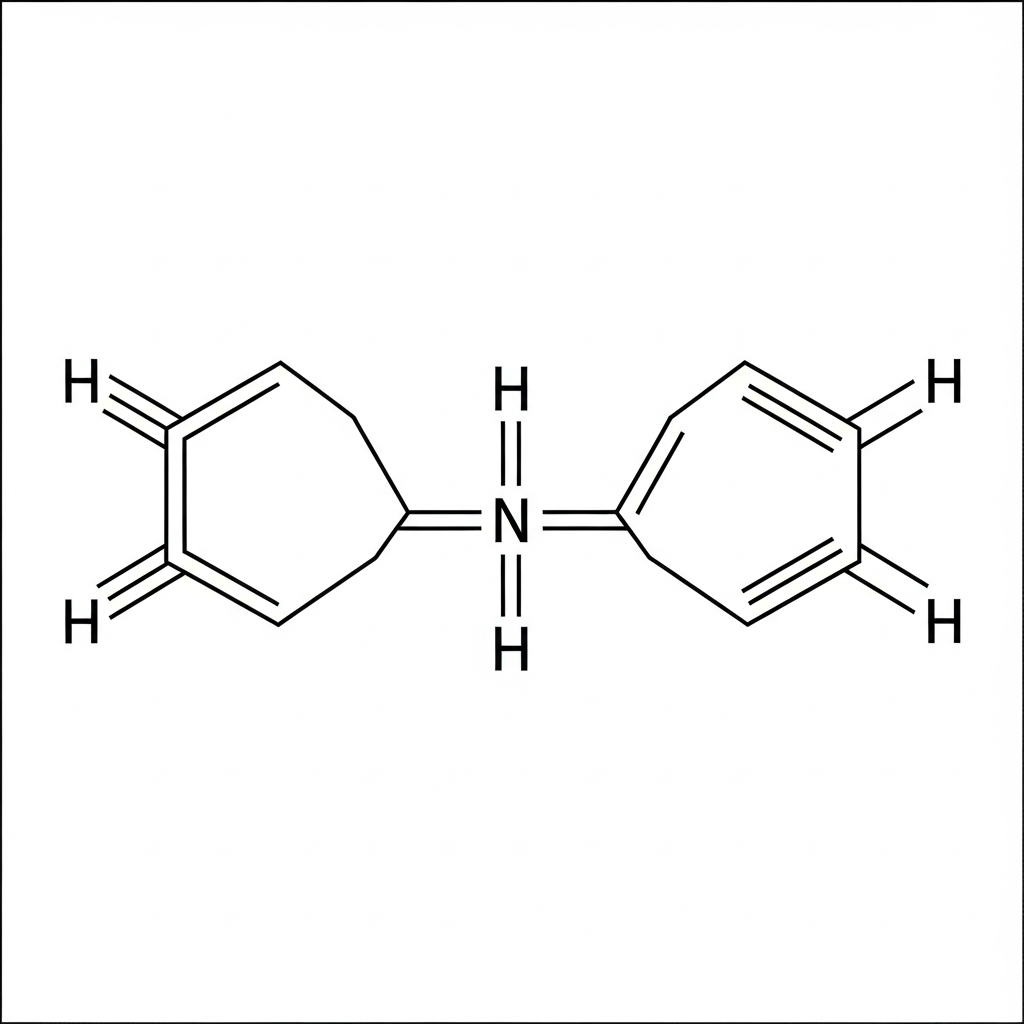
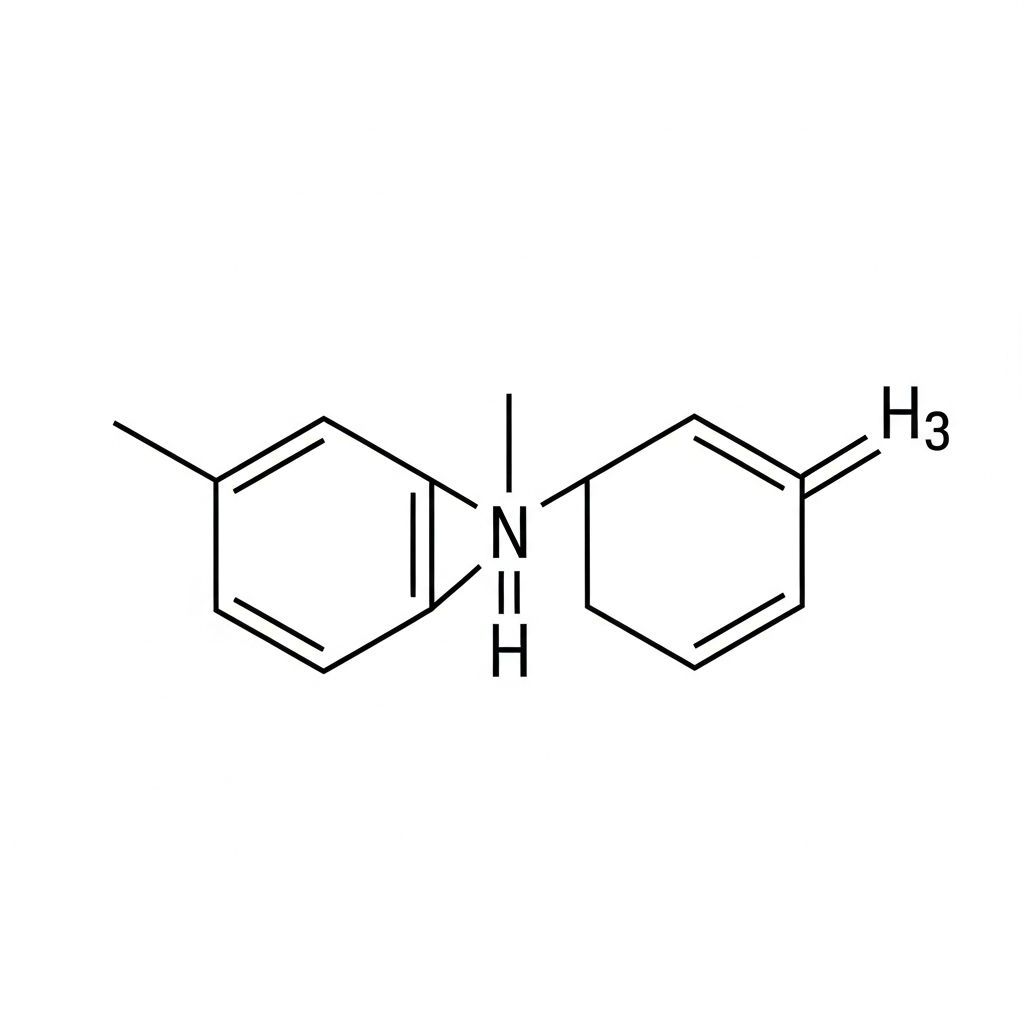
Dicyclohexylamine (DCHA), identified by CAS Number 101-83-7, is a secondary aliphatic amine consisting of two cyclohexane rings bonded to a central nitrogen atom. It appears as a colorless to pale yellow, viscous liquid with a characteristic faint, ammonia-like odor. Chemically, DCHA is a strong organic base (pKa ≈ 10.4) that is sparingly soluble in water but exhibits excellent miscibility with most organic solvents, including ethanol, ether, and benzene.
As a versatile chemical intermediate, Dicyclohexylamine plays a critical role in various industrial sectors. It is primarily valued for its steric hindrance and high basicity, which make it an ideal precursor for rubber vulcanization accelerators, specifically sulfonamides. Furthermore, DCHA is a cornerstone in the production of vapor-phase corrosion inhibitors (VCIs) and specialized lubricants. Its ability to form stable salts with organic acids makes it indispensable in peptide synthesis and the purification of pharmaceutical compounds. Due to its corrosive nature and aquatic toxicity, industrial handling requires rigorous safety protocols and protective equipment.

* Effectively inhibits corrosion for both ferrous and non-ferrous metals.
* Functions as an efficient emulsifier in various industrial applications.
* Serves as a crucial intermediate for agrochemicals, dyestuffs, and pigments.
* A key raw material for rubber chemicals and diverse specialty compounds.
* Catalyzes the production of flexible polyurethane foams.
* Effectively scavenges acids in diverse chemical processes.
* Offers high purity (minimum 99.5%), ensuring consistent performance.
* Miscible with many organic solvents, providing broad formulation flexibility.
* Appearance: Clear Liquid
* Color, APHA: 10 Max.
* Purity, % by GC: 99.50 Min.
* Moisture, %: 0.10 Max.
* Specific Gravity @ 25°C: 0.910 – 0.914
* Distillation Range, °C: 130 – 135
* Flash Point, °C: 98
* Boiling Point, °C: 256
* Freezing Point, °C: -0.1
* Refractive Index @ 20°C: 1.4840
* **Corrosion Inhibitor:** Prevents rust and degradation by forming a protective film on metal surfaces in boilers, pipelines, and oil & gas systems.
* **Rubber Processing:** Accelerates the vulcanization process for natural and synthetic rubbers, improving cure rates and enhancing product properties.
* **Chemical Synthesis:** Acts as an essential intermediate in the manufacturing of various organic compounds, including pharmaceuticals, dyes, and pesticides.
* **Emulsifier:** Stabilizes emulsions in formulations such as paints, coatings, and agrochemicals, ensuring product consistency and preventing phase separation.
* **Catalyst:** Promotes reaction rates and improves selectivity in specific chemical reactions, including polymerization and esterification.
* **Industrial Solvent:** Utilized for its excellent solvency properties in industrial cleaning and degreasing, effectively dissolving resins, waxes, and oils.


Have a question or need a quote? Our team is here to help with product details, pricing, and global delivery options.
Your email address will not be published. Required fields are marked *