High-Purity Solvents, Polyurethane (PU) and Resin

Dicyclopentadiene (DCPD)

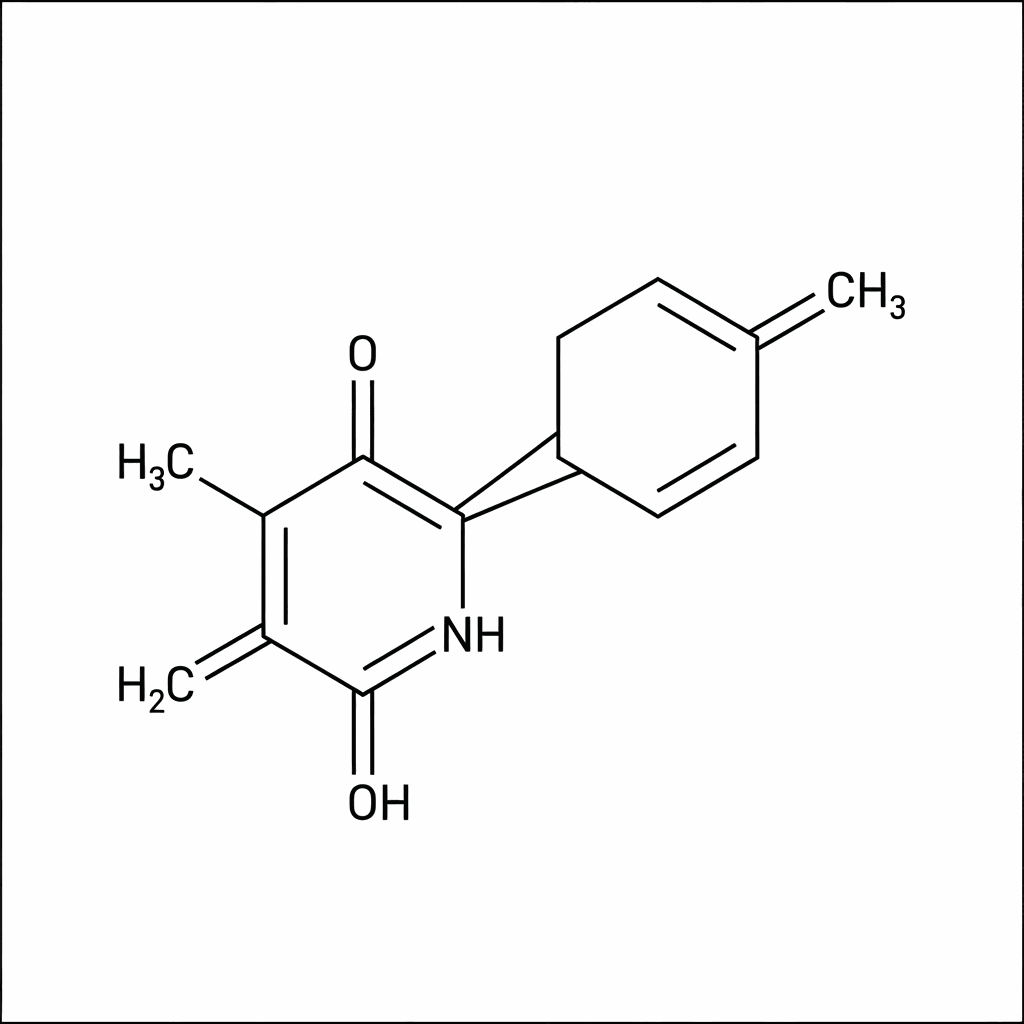
Dicyclopentadiene (DCPD), identified by CAS number 77-73-6, is a cyclic diolefin produced primarily during the steam cracking of naphtha and gas oils to ethylene. It is the dimer of cyclopentadiene (CPD), formed via a spontaneous Diels-Alder reaction. Industrially, DCPD is a critical C5 hydrocarbon intermediate, existing typically as a clear, colorless liquid or a waxy solid depending on the ambient temperature (melting point ~33°C). It is characterized by a distinct, pungent camphor-like odor.

DCPD is highly valued in the chemical industry due to its dual-ring structure—consisting of a norbornene ring fused to a cyclopentene ring—which provides multiple sites for chemical modification. One of its most significant technical properties is its ability to undergo a retro-Diels-Alder reaction at temperatures above 150°C, reverting to monomeric cyclopentadiene. This reactivity makes it a versatile precursor for a wide array of high-performance polymers, resins, and specialty chemicals used in automotive, marine, and industrial sectors.

Attributes

Key Features and Benefits

  • High Impact Resistance: Polymers derived from DCPD, particularly through Reaction Injection Molding (RIM), exhibit extraordinary toughness and durability.
  • Superior Chemical Resistance: Provides excellent protection against corrosive agents, including acids, bases, and salts, making it ideal for harsh environments.
  • Low Viscosity Processing: Its low liquid viscosity allows for the efficient molding of large, complex parts with intricate geometries.
  • Thermal Stability: Offers high heat distortion temperatures once fully cross-linked, ensuring structural integrity under thermal stress.
  • Cost-Efficiency: As a co-product of ethylene production, it provides a high performance-to-cost ratio compared to specialty engineering thermoplastics.
  • Weatherability: Exhibits good resistance to UV degradation and moisture absorption in resin formulations.
Specifications

Technical Highlights

  • Chemical Formula: C10H12 (Molecular Weight: 132.20 g/mol).
  • Boiling Point: 170°C (338°F); it maintains stability up to its cracking point.
  • Flash Point: 32.2°C (90°F), classifying it as a flammable liquid requiring specific safety protocols.
  • Isomerism: Commercial DCPD is predominantly the *endo*-isomer, though *exo*-isomers can be synthesized for specific high-speed curing applications.
  • Polymerization Mechanism: Readily undergoes Ring-Opening Metathesis Polymerization (ROMP) using transition metal catalysts (e.g., Ruthenium or Tungsten).
  • Purity Grades: Available in “Resin Grade” (80–94%) for general chemical use and “High Purity/RIM Grade” (98–99%+) for advanced polymer applications.

Download Technical Data Sheet (TDS)

Practical industry uses

Applications

  • Reaction Injection Molding (pDCPD): Production of heavy-duty body panels for trucks, tractors, earthmoving equipment, and waste containers.
  • Unsaturated Polyester Resins (UPR): Used to improve the water resistance and surface smoothness of fiberglass-reinforced plastics (FRP).
  • EPDM Rubber Production: Serves as a precursor for Ethylidene Norbornene (ENB), the third monomer used in high-performance synthetic rubber.
  • Specialty Resins: Used in the manufacture of C5 hydrocarbon resins for pressure-sensitive adhesives, hot-melt adhesives, and printing inks.
  • Fine Chemicals: Acts as an intermediate for fragrances (verdyl esters), flame retardants, and agrochemical active ingredients.
  • Optical Materials: High-purity DCPD is used to produce Cyclic Olefin Copolymers (COC) for medical devices and high-end optical lenses.
Key Sectors

Target Industries

Discover more

Related products

Key Sectors

We’re Here to Support Your Chemical Sourcing Needs

Have a question or need a quote? Our team is here to help with product details, pricing, and global delivery options.

Send a message to us

Your email address will not be published. Required fields are marked *