Acetates & Esters, High-Purity Solvents

Diethyl phthalate (DEP)

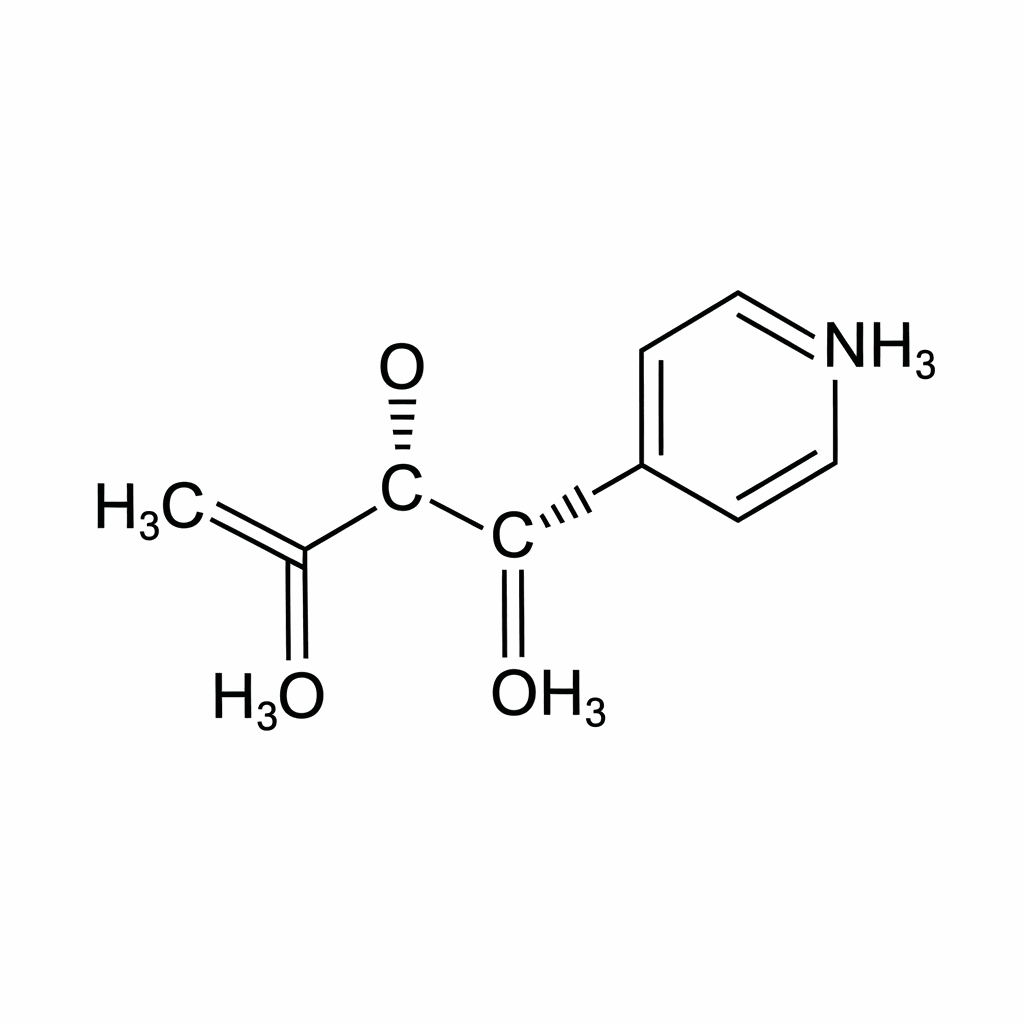
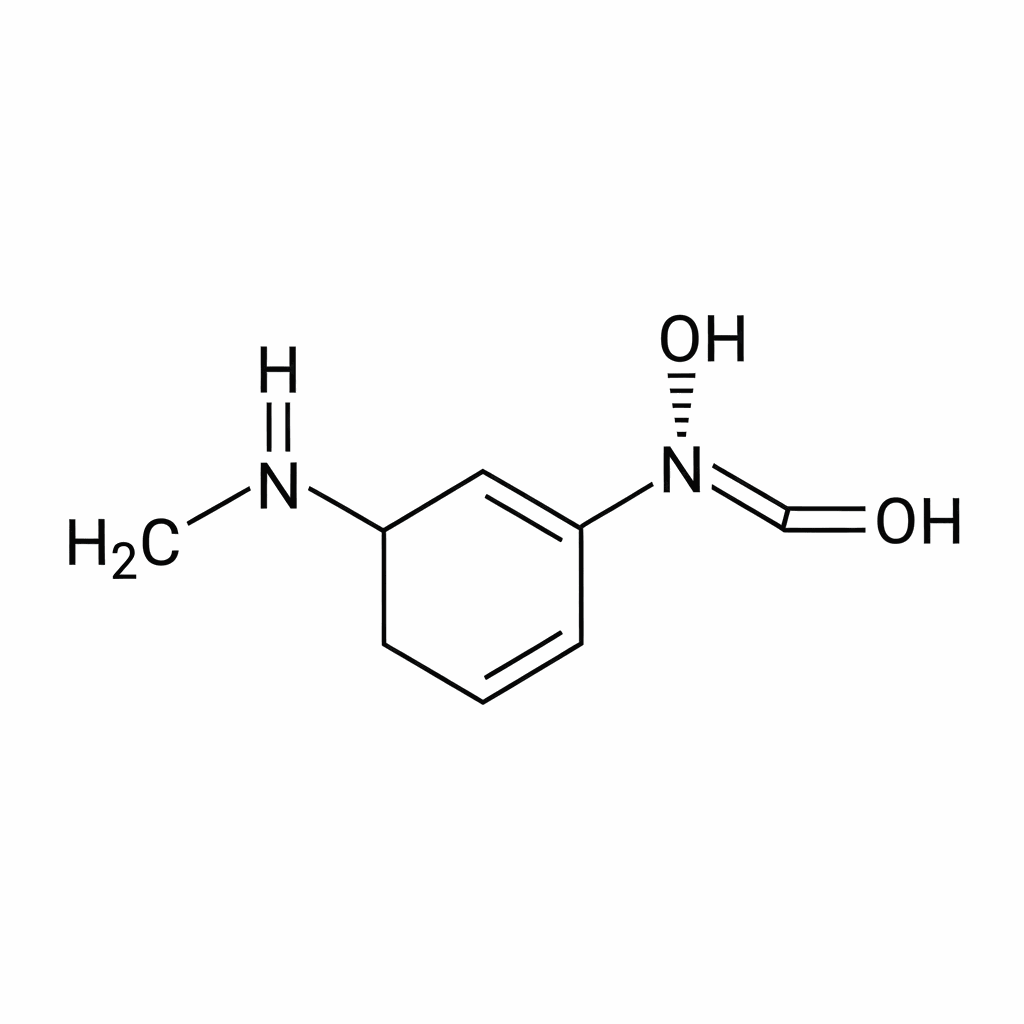
Diethyl phthalate, commonly referred to as DEP, is a synthetic organic compound classified as a phthalate ester. It is characterized as a clear, colorless, and oily liquid at room temperature with a very faint, disagreeable odor and a bitter, unpleasant taste. Chemically, it is the diethyl ester of phthalic acid, represented by the molecular formula C12H14O4. This compound is highly valued in industrial chemistry due to its unique solubility profile; it is practically insoluble in water but highly miscible with most organic solvents, including alcohols, ethers, and ketones. DEP functions primarily as a high-boiling solvent and a versatile plasticizer. Unlike longer-chain phthalates, DEP exhibits lower lipophilicity and higher volatility, influencing its environmental behavior and toxicological profile. It is produced through the esterification of phthalic anhydride with ethanol in the presence of an acid catalyst. Its chemical stability and compatibility with various polymers make it a foundational component in numerous processes.

Attributes

Key Features and Benefits

  • Low viscosity and excellent wetting properties allow for easy blending and uniform distribution within complex polymer matrices or liquid formulations.
  • Exceptional chemical stability ensures that the compound remains non-reactive under standard storage conditions, maintaining product integrity over extended periods.
  • High boiling point and low vapor pressure compared to other small-molecule esters make it an ideal candidate for heat-intensive processing.
  • Superior compatibility with cellulose acetate and nitrocellulose provides critical flexibility and durability to various specialty plastic and coating applications.
  • Acting as a dual-purpose additive, it serves simultaneously as an effective solvent and a reliable plasticizer in diverse chemical industries.
Specifications

Technical Highlights

  • Molecular Weight: Approximately 222.24 g/mol, supporting its classification as a medium-sized phthalate ester with predictable thermodynamic behavior.
  • Density and Refractive Index: Exhibits a specific gravity of roughly 1.120 at 25°C and a refractive index near 1.502.
  • Boiling Point: Ranges between 295°C to 298°C at atmospheric pressure, demonstrating its suitability for high-temperature industrial manufacturing environments.
  • Solubility Parameters: Miscible in ethanol, diethyl ether, and benzene, while maintaining a very low aqueous solubility of approximately 1,000 mg/L.
  • Flash Point: Typically measured at 156°C (312.8°F) using closed-cup methods, indicating moderate fire risk during handling and storage operations.

Download Technical Data Sheet (TDS)

Practical industry uses

Applications

  • Fragrance Fixative: Used extensively in perfumes and colognes to retard evaporation and prolong the longevity of volatile aromatic compounds.
  • Plasticizer Production: Employed specifically in the manufacturing of cellulose acetate films, tools, and automotive parts to enhance mechanical flexibility.
  • Alcohol Denaturant: Added to ethanol intended for cosmetic or industrial use to make it unpalatable, preventing diversion for human consumption.
  • Coating Additive: Integrated into lacquers, varnishes, and printing inks to improve adhesion, film formation, and overall resistance to cracking.
  • Personal Care: Functions as a solvent and stabilizer in hairsprays, nail polishes, and deodorants, ensuring product consistency and performance.
Key Sectors

Target Industries

Discover more

Related products

Key Sectors

We’re Here to Support Your Chemical Sourcing Needs

Have a question or need a quote? Our team is here to help with product details, pricing, and global delivery options.

Send a message to us

Your email address will not be published. Required fields are marked *