Glycol Ethers, High-Purity Solvents

Diethylene Glycol Diethyl Ether Diethylene

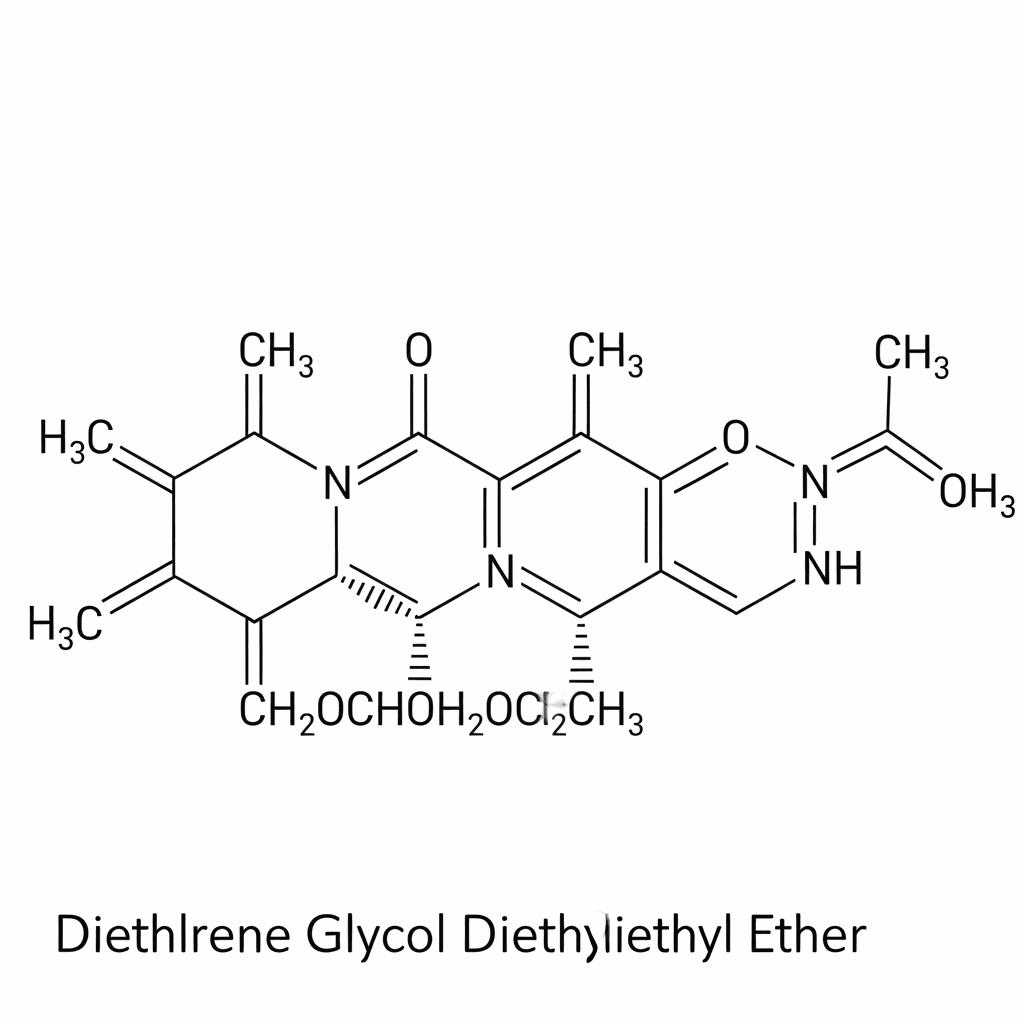
Diethylene Glycol Diethyl Ether, often referred to by the acronym DGDE or diethyl carbitol, is a high-boiling, clear, colorless liquid characterized by its mild, pleasant odor and exceptional chemical stability. With the CAS registry number 112-36-7, this ether-based solvent is known for its ability to dissolve a wide range of organic substances, including oils, resins, and nitrocellulose. It belongs to the glycol ether family, which combines the properties of ethers and alcohols. DGDE is particularly valued in industrial chemistry for its high boiling point and low volatility, making it an ideal choice for processes requiring thermal stability and slow evaporation rates. It is miscible with water and common organic solvents, facilitating its use in complex formulations. In addition to its solvent capabilities, it serves as a versatile reaction medium in organic synthesis, notably in Grignard reactions and other organometallic processes where a stable, non-reactive polar solvent is necessary for success.

Attributes

Key Features and Benefits

  • High Solvency Power: Effectively dissolves a diverse array of organic compounds, resins, and polymers, facilitating uniform mixtures.
  • Thermal Stability: Maintains chemical integrity at elevated temperatures, ensuring reliable performance in heat-intensive industrial applications.
  • Low Volatility: Features a high boiling point and low vapor pressure, which minimizes evaporative losses during storage or processing.
  • Excellent Miscibility: Harmoniously blends with water and most organic solvents, enhancing formulation flexibility for various chemical products.
  • Mild Odor: Provides a less aggressive sensory profile compared to other industrial solvents, improving the working environment.
  • Chemical Inertness: Resists unwanted reactions in diverse media consistently to protect the delicate chemical balance.
Specifications

Technical Highlights

  • Molecular Formula: C8H18O3, with a molar mass of approximately 162.23 grams per mole for precise stoichiometric calculations.
  • Boiling Point: Approximately 188 degrees Celsius, which enables its use in high-temperature reaction environments and distillation processes.
  • Density: Specific gravity of 0.909 at 20 degrees Celsius, allowing for accurate volumetric measurements in laboratory and industrial settings.
  • Vapor Pressure: Extremely low at room temperature, contributing to safety and reduced atmospheric emissions during various manufacturing stages.
  • Refractive Index: Typically around 1.411, serving as a critical parameter for quality control and purity verification in standard chemical production workflows across diverse high level global manufacturing supply lines.

Download Technical Data Sheet (TDS)

Practical industry uses

Applications

  • Specialized Ink Manufacturing: Serves as a key solvent in screen printing and high-end inkjet inks for improved flow.
  • Organic Synthesis: Functions as a non-reactive medium for Grignard reagents, alkali metal reductions, and various organometallic reaction pathways.
  • Cleaning Formulations: Incorporated into industrial degreasers and electronic cleaners due to its ability to dissolve stubborn oils and waxes.
  • Textile Industry: Utilized in dye formulations to ensure uniform penetration and consistent color application across different types of fabrics.
  • Gas Extraction: Applied in gas purification processes, specifically for the removal of acidic gases from industrial gas streams reliably, effectively, and safely within modern processing plants.
Key Sectors

Target Industries

Discover more

Related products

Key Sectors

We’re Here to Support Your Chemical Sourcing Needs

Have a question or need a quote? Our team is here to help with product details, pricing, and global delivery options.

Send a message to us

Your email address will not be published. Required fields are marked *