High-Purity Solvents, Ketones

Diisobutyl Ketone (DIBK)

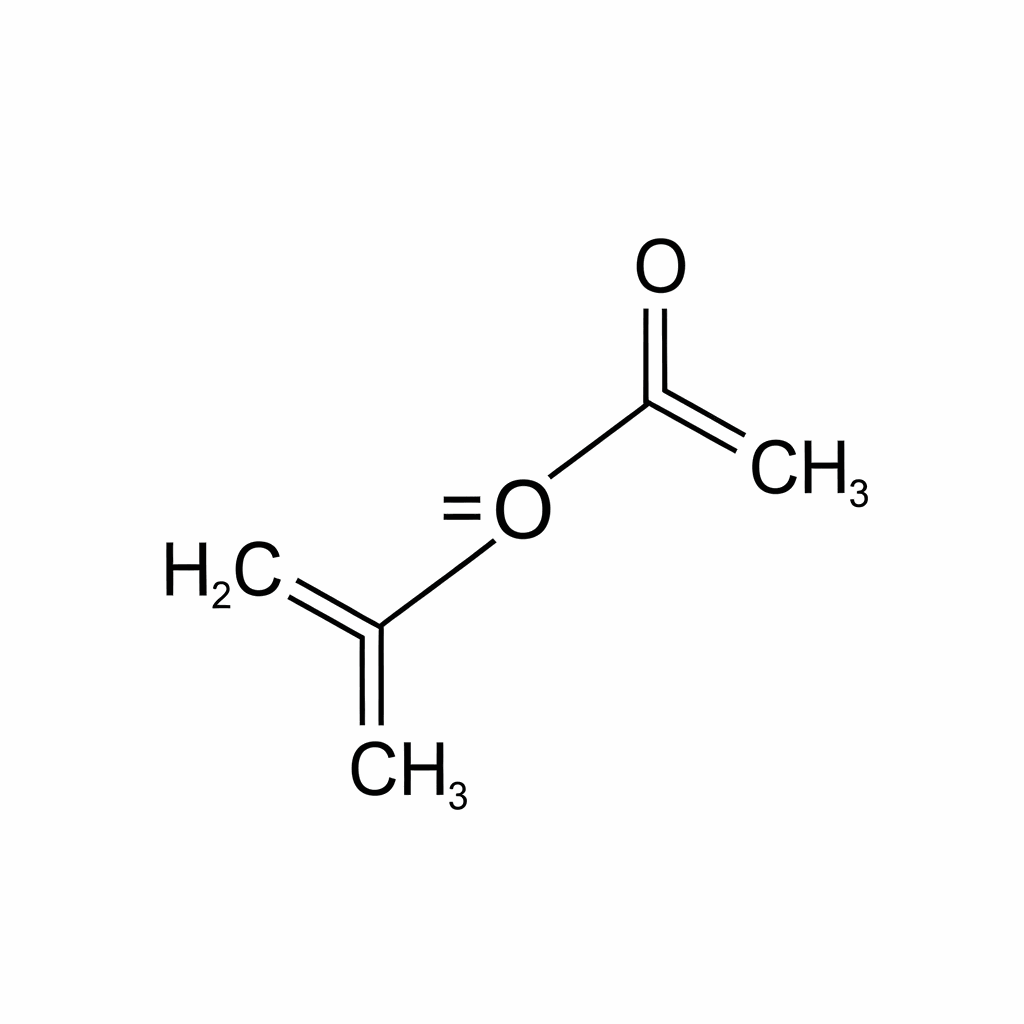
Diisobutyl Ketone (DIBK), identified by CAS number 108-83-8, is a high-boiling, slow-evaporating solvent with a characteristic mild odor. Chemically known as 2,6-dimethyl-4-heptanone, this stable colorless liquid serves as a critical intermediate in various industrial processes. It possesses a low density and is virtually insoluble in water, while maintaining excellent solvency for many organic resins, nitrocellulose, and synthetic coatings. DIBK is valued for its ability to improve flow and leveling in surface coatings, preventing defects like blushing or orange peel. Its high flash point and low vapor pressure make it a safer alternative compared to faster-evaporating ketones in specific formulations. Beyond its role as a solvent, it acts as a chemical intermediate in the production of specialty chemicals and pharmaceuticals. Because of its unique balance of solvency and evaporation rates, Diisobutyl Ketone remains an indispensable component in high-performance paint systems, professional cleaning agents, and various extraction processes used globally throughout industry.

Attributes

Key Features and Benefits

  • Exceptional solvency for synthetic resins including various vinyl and acrylic systems.
  • Slow evaporation rate facilitates superior flow and better leveling in finishes.
  • High flash point and low vapor pressure together enhance workplace safety.
  • Provides excellent viscosity reduction in high-solids coatings thereby improving application efficiency.
  • Acts as a powerful coupling agent for various complex chemical formulations.
  • Chemical stability ensures long shelf life and consistent overall industrial performance.
  • Relatively low odor profile compared to most other faster-evaporating ketone alternatives.
  • Virtually insoluble in water, allowing for highly specialized aqueous separation applications.
  • Enhances resistance to unwanted blushing and common orange peel lacquer defects.
  • Reliable.
Specifications

Technical Highlights

  • Molecular formula C9H18O with a molecular weight of 142.24 grams per-mol.
  • Boiling point is approximately 168 degrees Celsius at standard atmospheric pressure.
  • Low vapor pressure of 1.7 mmHg measured at twenty degrees Celsius.
  • Specific gravity of 0.808 makes it lighter than most aqueous solutions.
  • High flash point of 60 degrees Celsius classifies it as combustible.
  • Evaporation rate of 0.19 relative to standard n-butyl acetate reference solvent.
  • Practically insoluble in water with solubility below zero-point-one percent by weight.
  • Clear, colorless liquid with a mild, non-residual and characteristic ketone odor.
  • Highly stable under normal storage conditions while avoiding hazardous peroxide formation.
  • Pure.

Download Technical Data Sheet (TDS)

Practical industry uses

Applications

  • Primary solvent for high-performance automotive and decorative wood surface finishes coatings.
  • Essential component in nitrocellulose lacquers and synthetic resin based systems.
  • Crucial extraction solvent for mining industries processing gold and uranium ores.
  • Chemical intermediate for synthesizing specialized corrosion inhibitors and lubricant additive compounds.
  • Utilized in pharmaceutical manufacturing for various extraction and purification process stages.
  • Key ingredient in professional leather finishes and roll-coating ink product applications.
  • Industrial cleaning agent for precision machinery and heavy-duty industrial degreasing tasks.
  • Formulation of agricultural chemicals requiring controlled release and stable active solvency.
  • Additive in textile processing and specialized printing screen wash solvent solutions.
  • Highly versatile.
Key Sectors

Target Industries

Discover more

Related products

Key Sectors

We’re Here to Support Your Chemical Sourcing Needs

Have a question or need a quote? Our team is here to help with product details, pricing, and global delivery options.

Send a message to us

Your email address will not be published. Required fields are marked *