Acetates & Esters, High-Purity Solvents

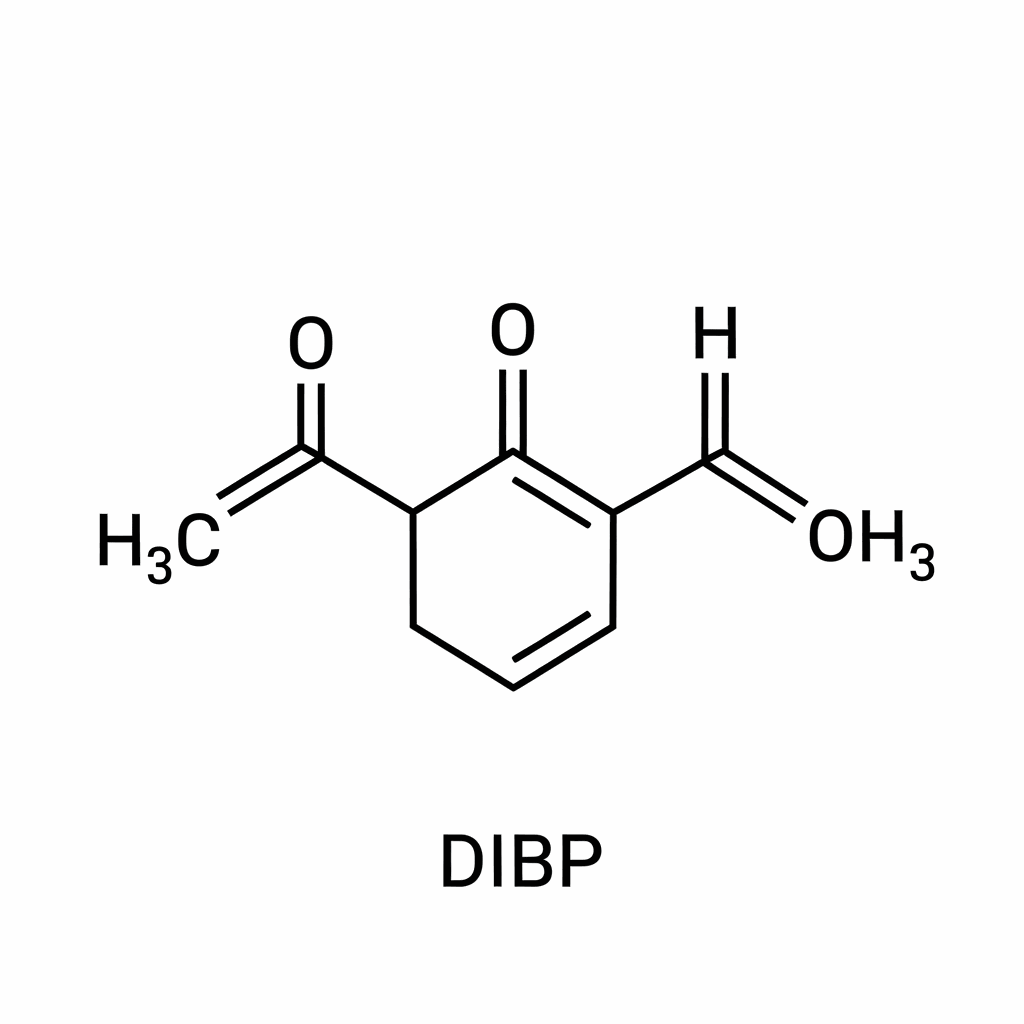
Diisobutyl phthalate (DIBP)

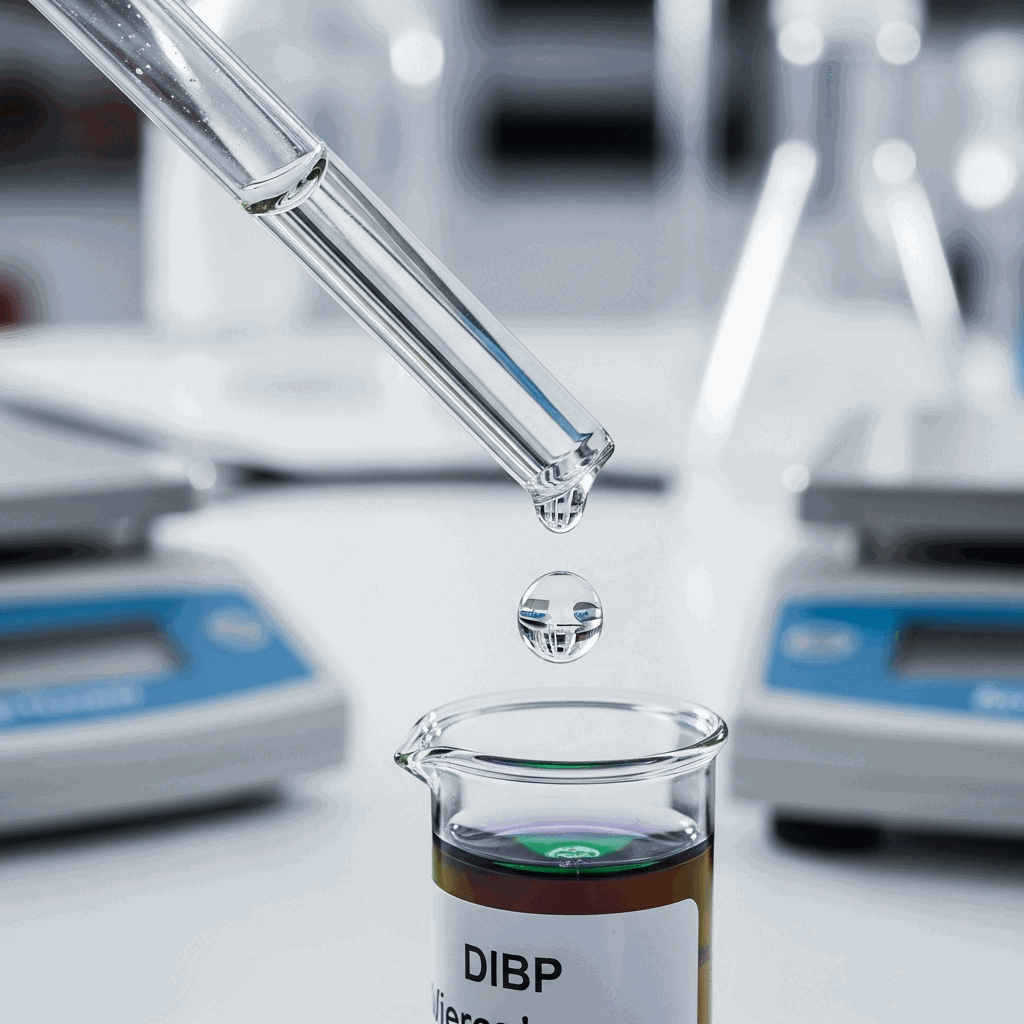
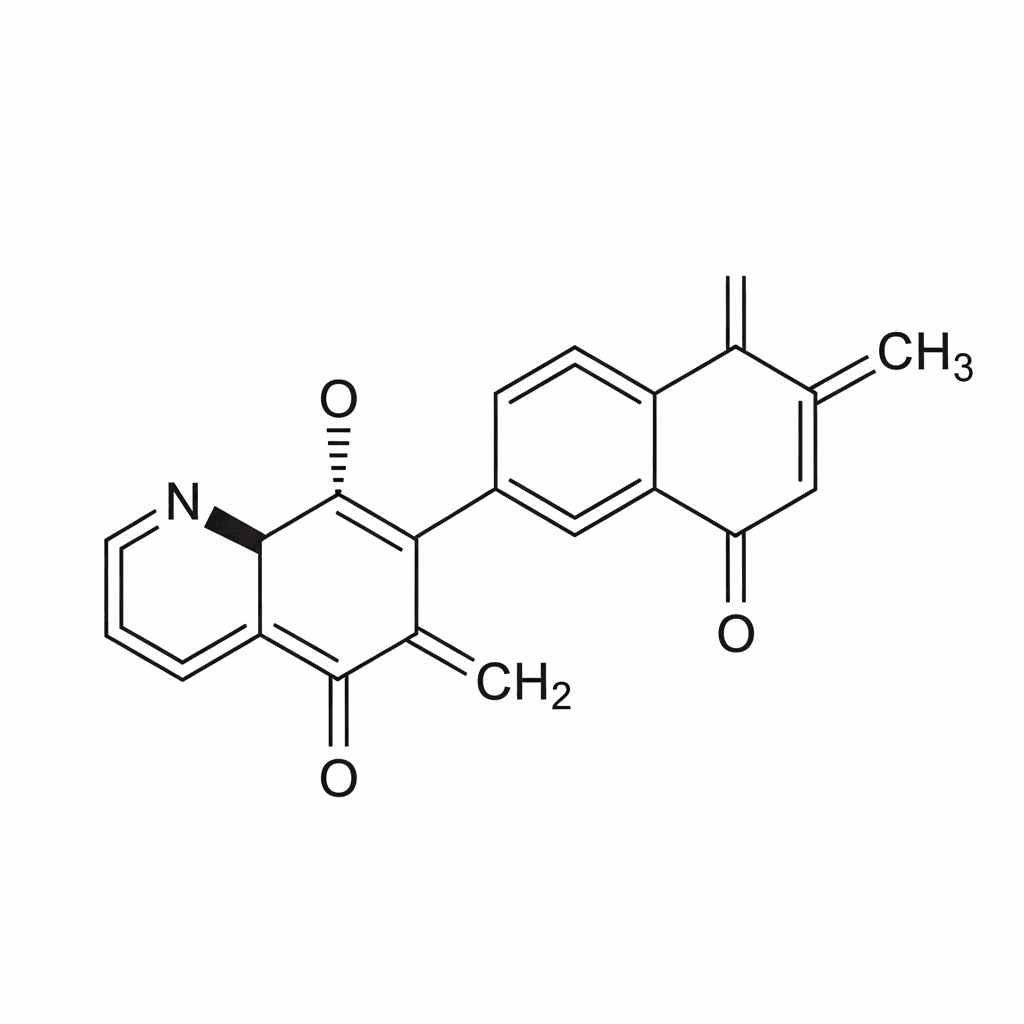
Diisobutyl phthalate, identified by CAS number 84-69-5, is a clear, colorless, and practically odorless liquid that functions primarily as a specialty plasticizer in various polymer formulations. As a member of the phthalate ester family, DIBP is synthesized through the esterification process of phthalic anhydride with isobutanol. This chemical compound exhibits low volatility and is characterized by its excellent compatibility with nitrocellulose, cellulose ether, and chlorinated rubber. While chemically similar to dibutyl phthalate, DIBP possesses a lower density and freezing point, offering unique advantages in low-temperature applications. It serves as a vital component in improving the flexibility and durability of plastic materials by reducing intermolecular forces between polymer chains. However, due to its classification as a substance of very high concern in certain jurisdictions, its use is increasingly regulated. Engineers value its stable chemical structure and reliable performance in maintaining the physical integrity of synthetic resins across diverse environmental conditions.
Attributes

Key Features and Benefits

  • Superior low-temperature flexibility, allowing polymers to remain pliable in harsh climates without cracking or becoming brittle.
  • Excellent compatibility with a wide range of resins, including polyvinyl chloride and nitrocellulose, ensuring uniform plasticization throughout the material.
  • High stability against heat and light exposure, which prevents premature yellowing and degradation of the final manufactured plastic products.
  • Low viscosity profile facilitates easier handling and faster mixing during the compounding process, improving overall manufacturing efficiency and throughput.
  • Functions as an effective softening agent, significantly increasing the elongation and impact resistance of various industrial thermoplastic elastomers and coatings.
Specifications

Technical Highlights

  • Molecular Formula is C16H22O4 with a molecular weight of 278.34 g/mol, appearing as a clear oily liquid at room temperature.
  • Boiling point ranges from 320 to 340 degrees Celsius at atmospheric pressure, indicating high thermal stability during high-heat polymer processing.
  • Specific gravity is approximately 1.038 to 1.040 at 20 degrees Celsius, with a refractive index measured between 1.488 and 1.492.
  • Flash point is recorded at 185 degrees Celsius (Open Cup), requiring standard chemical safety protocols for storage near heat or ignition sources.
  • Water solubility is extremely low, less than 0.01 percent at 20 degrees Celsius, ensuring high resistance to moisture-induced leaching or hydrolysis.

Download Technical Data Sheet (TDS)

Practical industry uses

Applications

  • Used extensively in the production of nitrocellulose lacquers and paints to provide film flexibility and prevent peeling on various surfaces.
  • Acts as a primary plasticizer in nail polish formulations, ensuring the coating remains smooth, flexible, and resistant to chipping over time.
  • Applied in the manufacturing of adhesives and sealants, particularly those based on polyvinyl acetate, to enhance bond strength and elasticity.
  • Utilized in the processing of cellulose-based plastics and specialty rubbers to improve the flow characteristics of the melt during injection molding.
  • Serves as a component in explosive propellants and pyrotechnics as a desensitizer and binder to ensure safe handling and consistent combustion rates.
Key Sectors

Target Industries

Discover more

Related products

Key Sectors

We’re Here to Support Your Chemical Sourcing Needs

Have a question or need a quote? Our team is here to help with product details, pricing, and global delivery options.

Send a message to us

Your email address will not be published. Required fields are marked *