Acetates & Esters, High-Purity Solvents

Diisodecyl phthalate (DIDP)

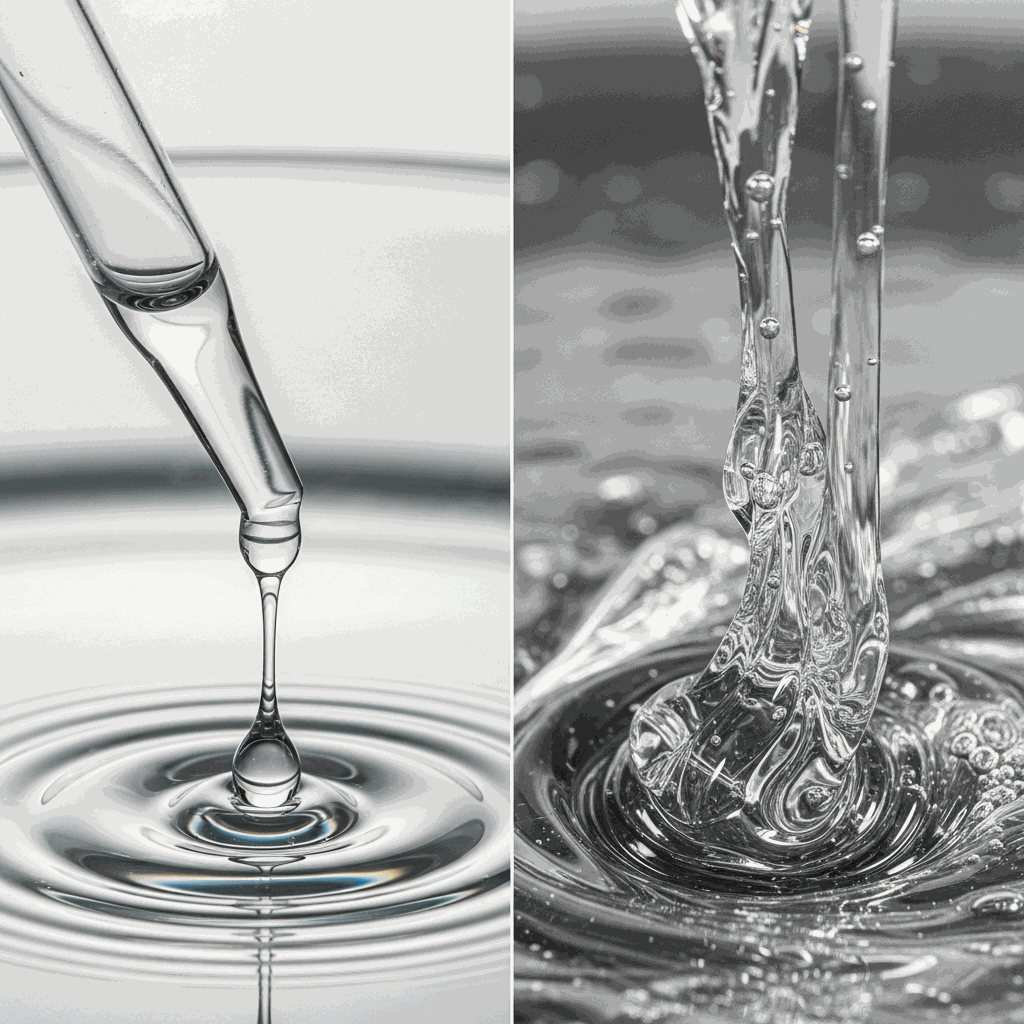
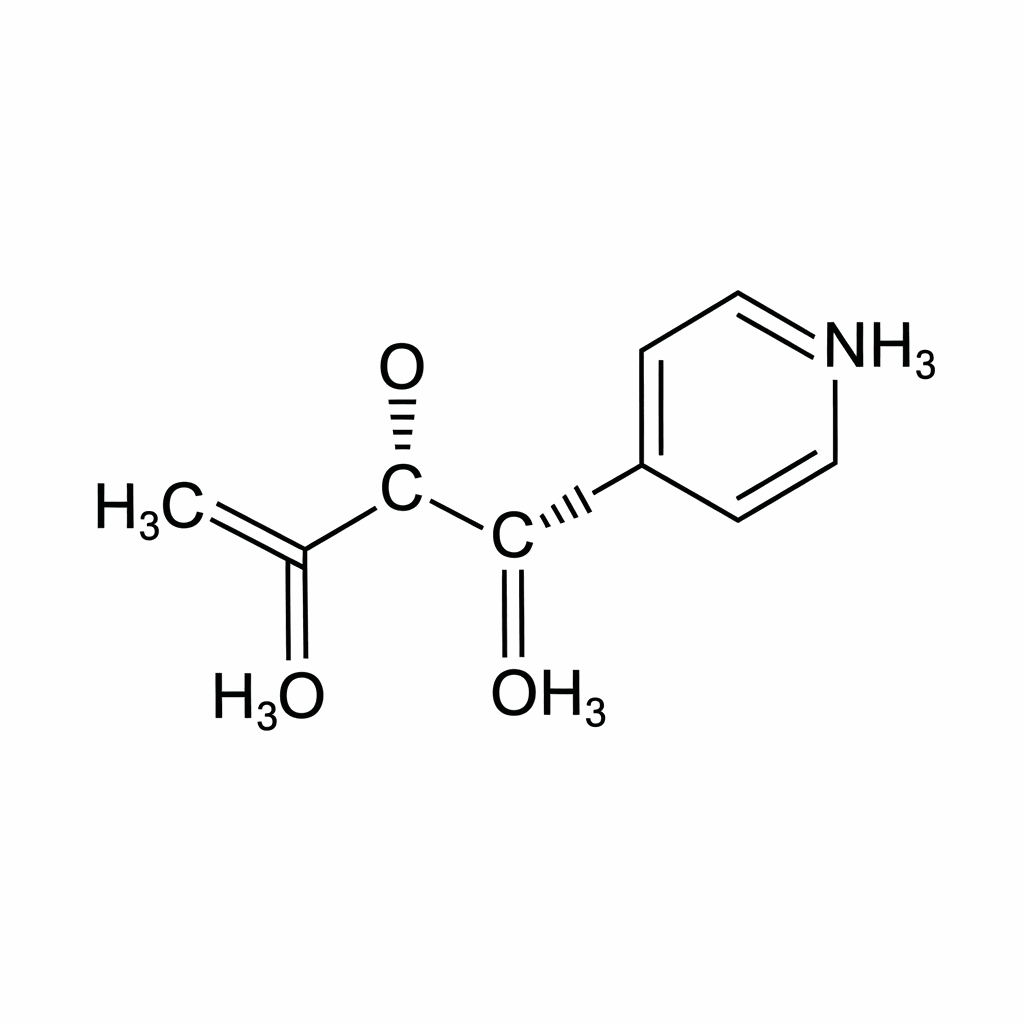
Diisodecyl phthalate (DIDP) is a high-molecular-weight phthalate ester primarily utilized as a general-purpose plasticizer for polyvinyl chloride (PVC). It is characterized as a clear, colorless, and odorless liquid with high viscosity and low volatility. Chemically, it is synthesized through the esterification of phthalic anhydride with isodecyl alcohol. Due to its longer alkyl chain length compared to low-molecular-weight phthalates like DEHP, DIDP exhibits superior permanence, resistance to extraction by soapy water, and enhanced thermal stability. This compound is particularly valued in high-temperature wire and cable applications because of its excellent electrical insulation properties and low volatility at elevated temperatures. Unlike shorter-chain phthalates, DIDP is considered to have a lower risk profile for certain toxicological endpoints, making it a preferred choice in various industrial regulatory environments. Its inherent compatibility with vinyl resins ensures that the resulting polymers maintain flexibility, durability, and structural integrity over extended service life under demanding environmental conditions consistently.
Attributes

Key Features and Benefits

  • Exceptional low volatility and high boiling point ensure minimal substance loss during high-temperature processing stages and long-term end-use.
  • Superior resistance to soapy water extraction and environmental weathering compared to lower molecular weight phthalate plasticizers like DOP.
  • Excellent electrical resistivity and dielectric properties make it an ideal choice for insulating primary wire and cable jackets.
  • High thermal stability provides significant anti-aging performance, extending the functional lifespan of flexible PVC products in heat-intensive environments.
  • Strong compatibility with a wide range of PVC resins, ensuring efficient processing and uniform mechanical properties in final articles.
Specifications

Technical Highlights

  • Molecular Formula is C28H46O4 with a high molecular weight of approximately 446.67 grams per mole for improved permanence.
  • Density ranges between 0.960 and 0.971 g/cm3 at 20 degrees Celsius, ensuring predictable volumetric performance in formulations.
  • Dynamic viscosity is typically 110 to 130 mPa.s at 20 degrees Celsius, providing optimal flow during dry blending.
  • Refractive index stands at 1.482 to 1.486, contributing to the optical clarity of transparent plasticized PVC compounds.
  • Flash point exceeds 230 degrees Celsius (Cleveland Open Cup), ensuring safety during high-heat industrial manufacturing and extrusion processes.

Download Technical Data Sheet (TDS)

Practical industry uses

Applications

  • Primary plasticizer for high-temperature electrical wire insulation and automotive cables requiring durability and superior electrical resistance under stress.
  • Key component in the production of automotive interior trim, dashboards, and PVC-based underbody coatings for noise and heat dampening.
  • Extensively used in roofing membranes and waterproof geomembranes where long-term UV resistance and low volatility are critical performance factors.
  • Component in non-food contact PVC films, footwear outsoles, and industrial hoses where flexibility and environmental resistance are mandatory.
  • Formulating vinyl plastisols for dip coating, carpet backing, and adhesive applications where low fogging and permanence are required.
Key Sectors

Target Industries

Discover more

Related products

Key Sectors

We’re Here to Support Your Chemical Sourcing Needs

Have a question or need a quote? Our team is here to help with product details, pricing, and global delivery options.

Send a message to us

Your email address will not be published. Required fields are marked *