High-Purity Solvents, Polyurethane (PU) and Resin

Dimethylacetamide (DMAC)

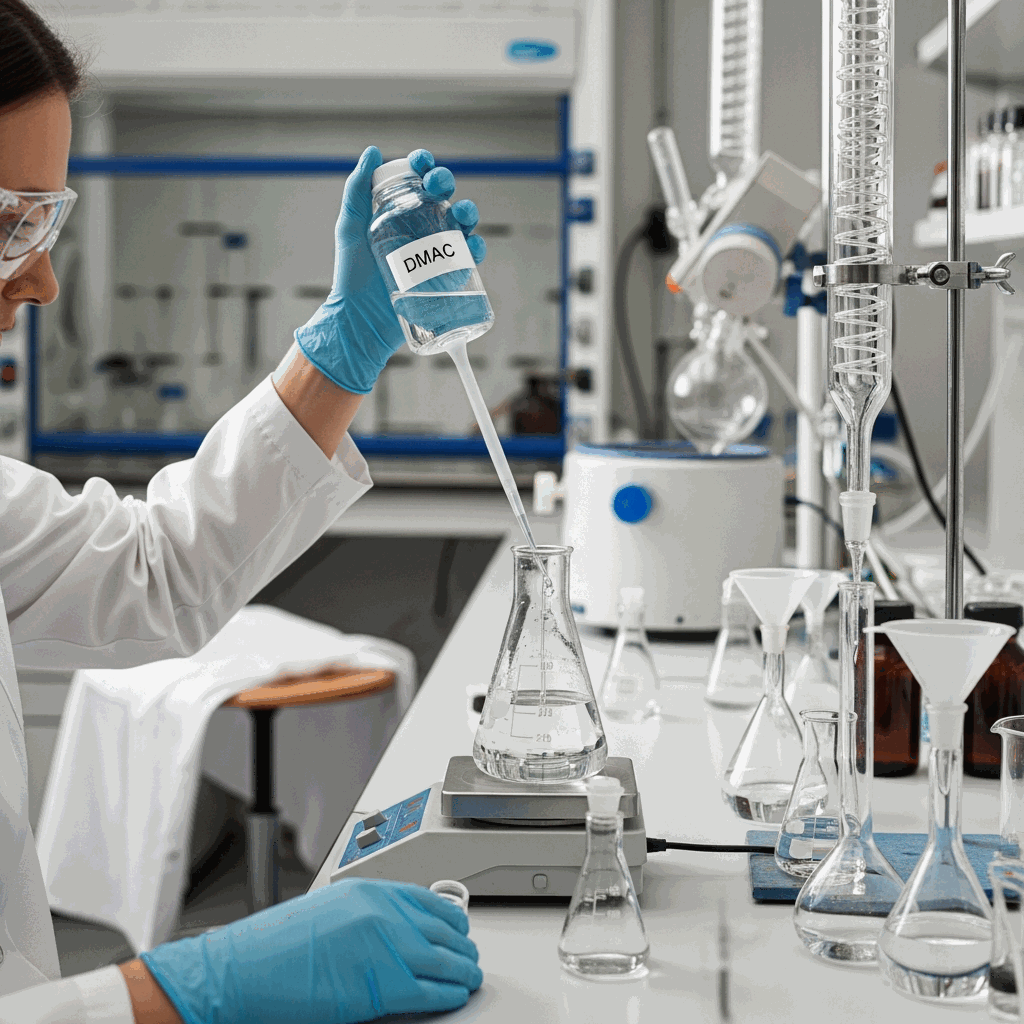
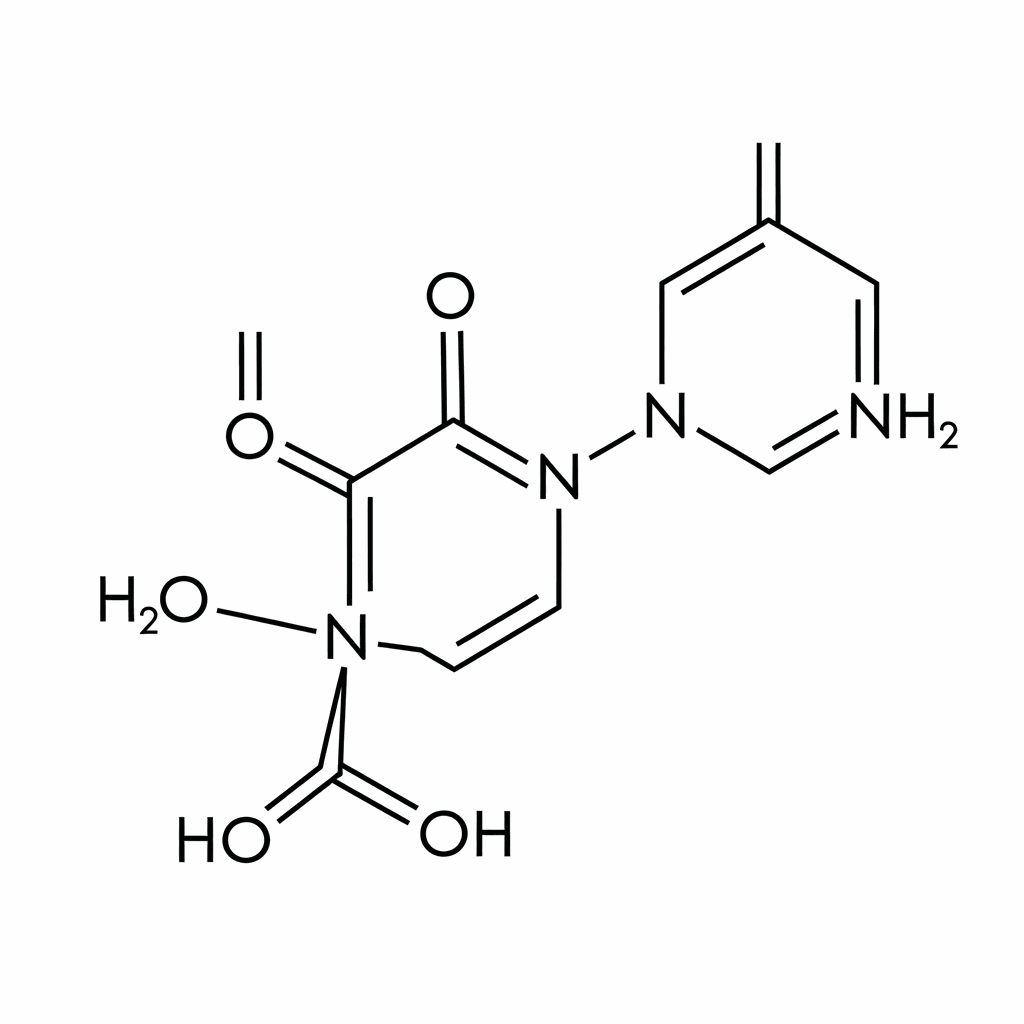
Dimethylacetamide (DMAC), identified by CAS number 127-19-5, is a highly versatile, colorless, and high-boiling polar aprotic solvent with the chemical formula $CH_3CON(CH_3)_2$. As a strategic member of the amide family, it is characterized by its exceptional thermal and chemical stability, making it an indispensable medium in both large-scale industrial manufacturing and specialized laboratory synthesis. DMAC is completely miscible with water and a vast array of organic solvents. This property, combined with its high dielectric constant, allows it to dissolve a wide variety of organic and inorganic compounds, including difficult-to-process polymers. While it shares similarities with Dimethylformamide (DMF), DMAC is often preferred in high-temperature processes due to its superior resistance to hydrolysis and higher boiling point. However, from a safety perspective, DMAC is classified as a Substance of Very High Concern (SVHC) due to reproductive toxicity, necessitating rigorous engineering controls and personal protective equipment (PPE) during handling.
Attributes

Key Features and Benefits

  • Exceptional Solvating Power: Capable of dissolving complex polymers such as polyacrylonitrile (PAN), polyurethanes, and polyimides that are insoluble in common solvents.
  • High Thermal Stability: Maintains chemical integrity at elevated temperatures, facilitating reactions that require sustained heat without solvent degradation.
  • Broad Miscibility: Exhibits universal solubility, mixing freely with water, alcohols, ethers, and aromatic hydrocarbons, providing flexibility in formulation.
  • Low Volatility: With a high boiling point ($165^circ C$), it minimizes evaporative losses in industrial closed-loop systems compared to lower-boiling alternatives.
  • Reaction Medium Efficiency: Acts as an effective catalyst or medium for nucleophilic substitutions and other polar reaction mechanisms.
Specifications

Technical Highlights

  • Molecular Weight: 87.12 g/mol.
  • Physical State: Clear, hygroscopic liquid with a faint ammonia-like odor.
  • Boiling Point: $165.1^circ C$ at 760 mmHg.
  • Flash Point: $66^circ C$ ($151^circ F$) (Closed Cup), classifying it as a combustible liquid (GHS Category 4).
  • Density: 0.937 g/cm³ at $20^circ C$.
  • Dielectric Constant: 37.8 (at $25^circ C$), enhancing its ability to stabilize ionic intermediates.
  • Vapor Pressure: 1.5 mmHg at $25^circ C$.
  • Safety Profile: Classified as Repr. 1B; exposure must be limited to established TWA (typically 10 ppm) to prevent systemic toxicity.

Download Technical Data Sheet (TDS)

Practical industry uses

Applications

  • Synthetic Fiber Production: Serves as the primary solvent for the wet-spinning and dry-spinning of Spandex (elastane) and Acrylic fibers.
  • Pharmaceutical Synthesis: Widely utilized as a reaction solvent and crystallization medium for antibiotics, such as cephalosporins, and various APIs.
  • Polymer Manufacturing: Essential in the production of high-performance polyimide films, specialized coatings, and adhesives.
  • Electronics Industry: Employed as a high-efficiency component in photoresist strippers and in the fabrication of flexible printed circuits.
  • Membrane Technology: Used in the phase-inversion process to manufacture dialysis membranes and water purification filters.
  • Agrochemicals: Functions as a specialized solvent for the synthesis of advanced pesticides and herbicides.
Key Sectors

Target Industries

Discover more

Related products

Key Sectors

We’re Here to Support Your Chemical Sourcing Needs

Have a question or need a quote? Our team is here to help with product details, pricing, and global delivery options.

Send a message to us

Your email address will not be published. Required fields are marked *