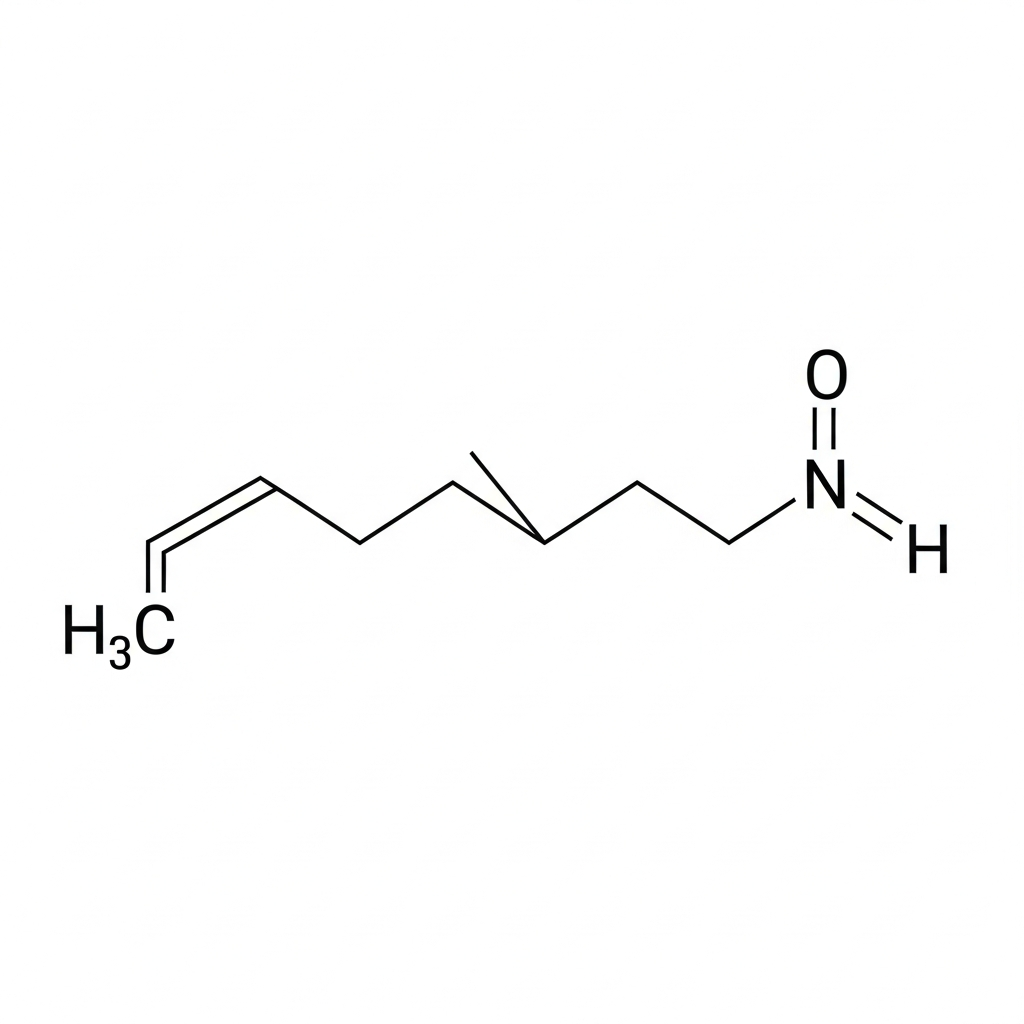
Dipropylene Glycol Methyl Ether Acetate (DPMA)
Glycol Ethers, High-Purity Solvents

Dipropylene Glycol Methyl Ether Acetate (DPMA)

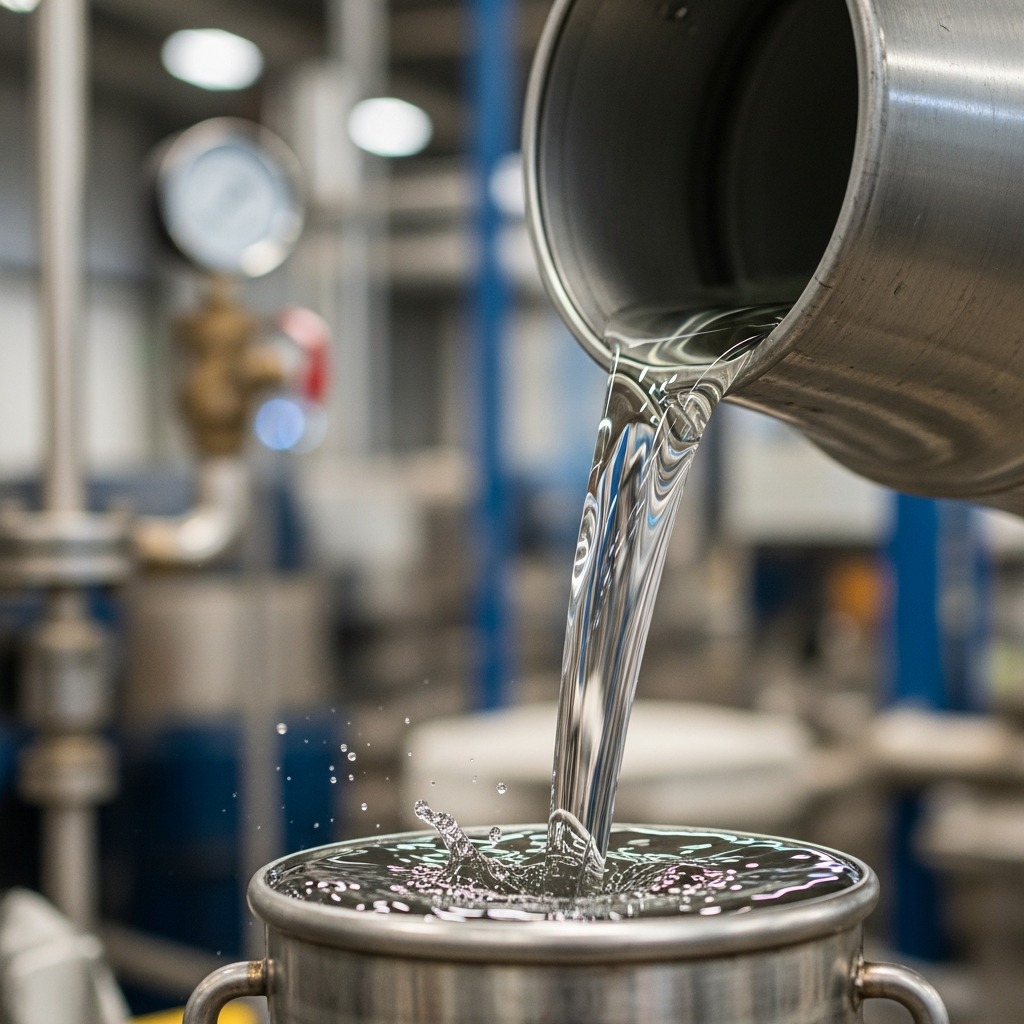
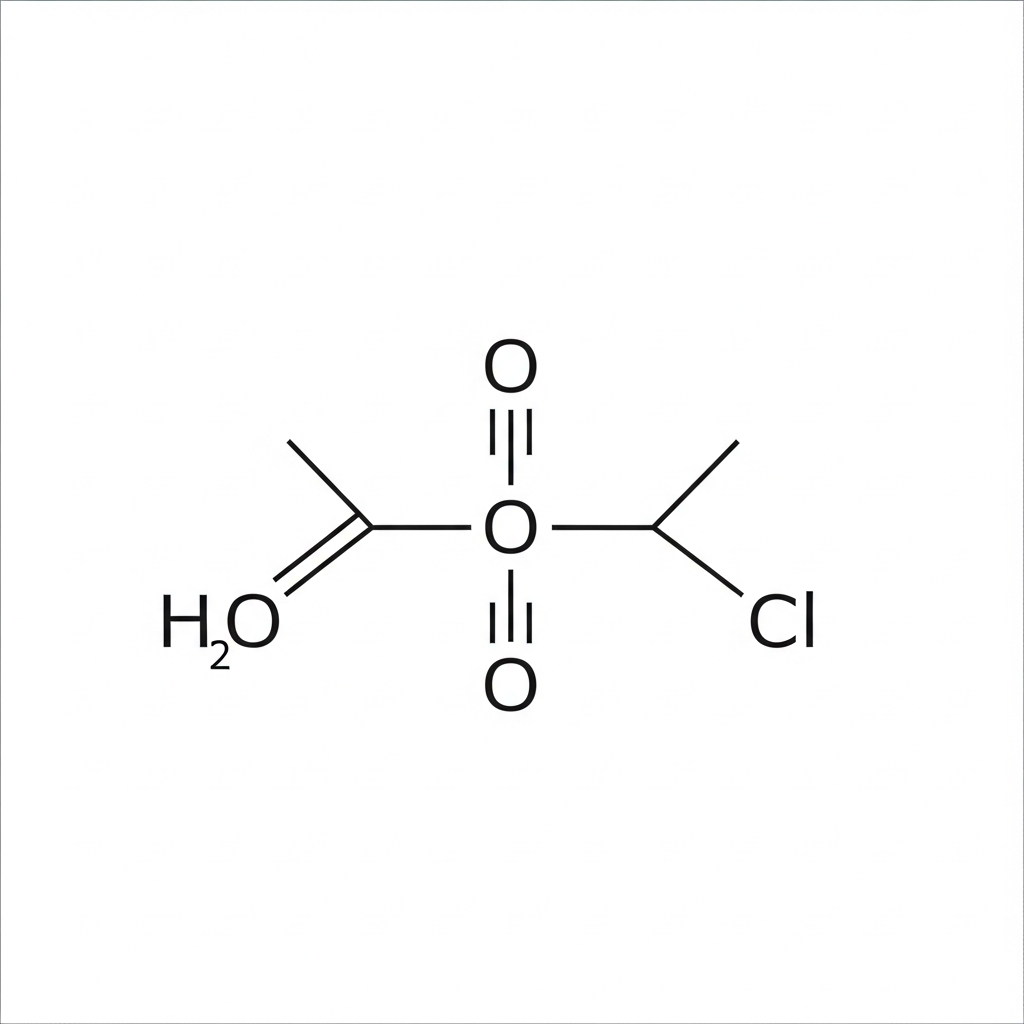
Dipropylene Glycol Methyl Ether Acetate (DPMA), identified by CAS number 88917-22-0, is a high-boiling, slow-evaporating glycol ether acetate characterized by its exceptional solvency and low volatility. As a prominent member of the P-series glycol ether family, it serves as a technically superior and toxicologically safer alternative to many ethylene oxide-based (E-series) solvents. DPMA is a clear, colorless liquid with a mild, non-intrusive ether-like odor, making it highly desirable for applications where worker comfort and sensory impact are critical.

Chemically, DPMA combines the functional properties of an ether and an ester, resulting in a hydrophobic character that facilitates the efficient dissolution of various synthetic resins, including acrylics, epoxies, polyurethanes, and alkyds. Its primary industrial utility lies in its role as a “tail solvent” and coalescing agent. It is specifically engineered to enhance film formation, improve flow and leveling, and prevent surface defects such as blushing or orange peel in high-performance coating systems.

Attributes

Key Features and Benefits

  • Superior Solvency: Exhibits strong dissolving power for a wide range of resin systems, including nitrocellulose, acrylic, epoxy, and polyester.
  • Low Volatility: An extremely slow evaporation rate ensures prolonged “open time,” allowing for optimal leveling and a high-gloss finish.
  • Hydrophobic Profile: Reduced water solubility compared to standard glycol ethers makes it ideal for moisture-sensitive formulations.
  • Improved Safety: As a P-series solvent, it offers a significantly lower toxicity profile and lower vapor pressure than E-series counterparts.
  • Viscosity Control: Effectively reduces the viscosity of high-solids formulations, improving sprayability and application consistency.
  • Mild Odor: Facilitates use in confined industrial spaces and indoor architectural applications.
Specifications

Technical Highlights

  • Molecular Formula: C9H18O4
  • Boiling Point: Approximately 209circC (408circF) at 760 mmHg.
  • Flash Point: 86circC (187circF) (Setaflash Closed Cup), classifying it as a combustible liquid rather than highly flammable.
  • Evaporation Rate: 0.015 (n-Butyl Acetate = 1), categorizing it as a very slow-evaporating solvent.
  • Vapor Pressure: 0.08 mmHg at 20circC, contributing to low VOC emissions in specific regulatory frameworks.
  • Specific Gravity: 0.976 at 20circC.
  • Solubility: Limited solubility in water (approx. 7% at 20circC); fully miscible with most organic solvents.

Download Technical Data Sheet (TDS)

Practical industry uses

Applications

  • Electrical and electronics
  • Connectors, switches, PCB housings, terminal blocks
  • Automotive
  • Under-hood components, interior assemblies, cable conduits
  • Wire and cable
  • Insulation layers, sheathing, jacketing materials
  • Construction
  • Plastic fittings, conduits, insulation panels
  • Consumer appliances
  • Enclosures, adapters, plugs, casings
  • Industrial components
  • Fiber-reinforced composites, flame-retardant masterbatches
  • Compatible polymers
  • PA6, PA66
  • PBT, PET
  • PE, PP
  • Blends and copolymers requiring halogen-free flame retardancy
Key Sectors

Target Industries

Discover more

Related products

Key Sectors

We’re Here to Support Your Chemical Sourcing Needs

Have a question or need a quote? Our team is here to help with product details, pricing, and global delivery options.

Send a message to us

Your email address will not be published. Required fields are marked *