High-Purity Solvents, Personal Care

EDTA Disodium (EDTA-2Na)

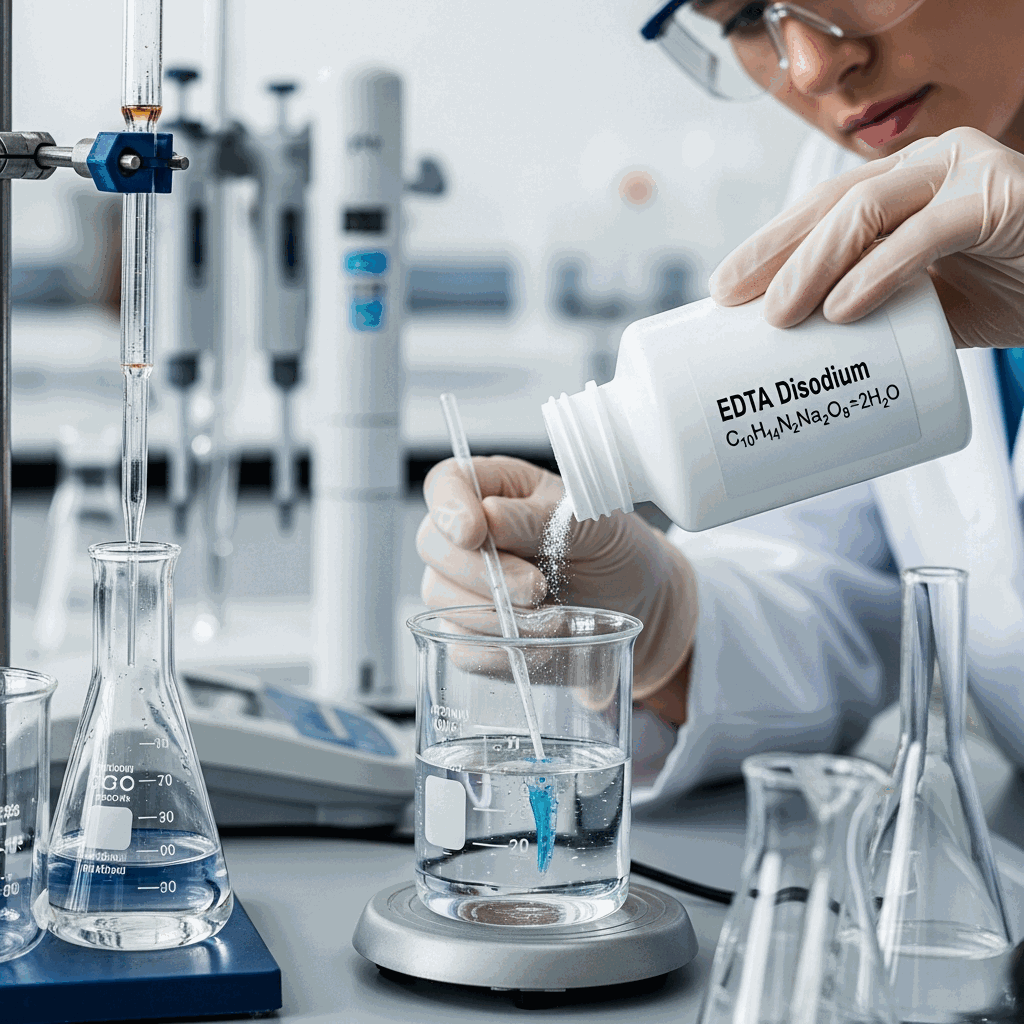
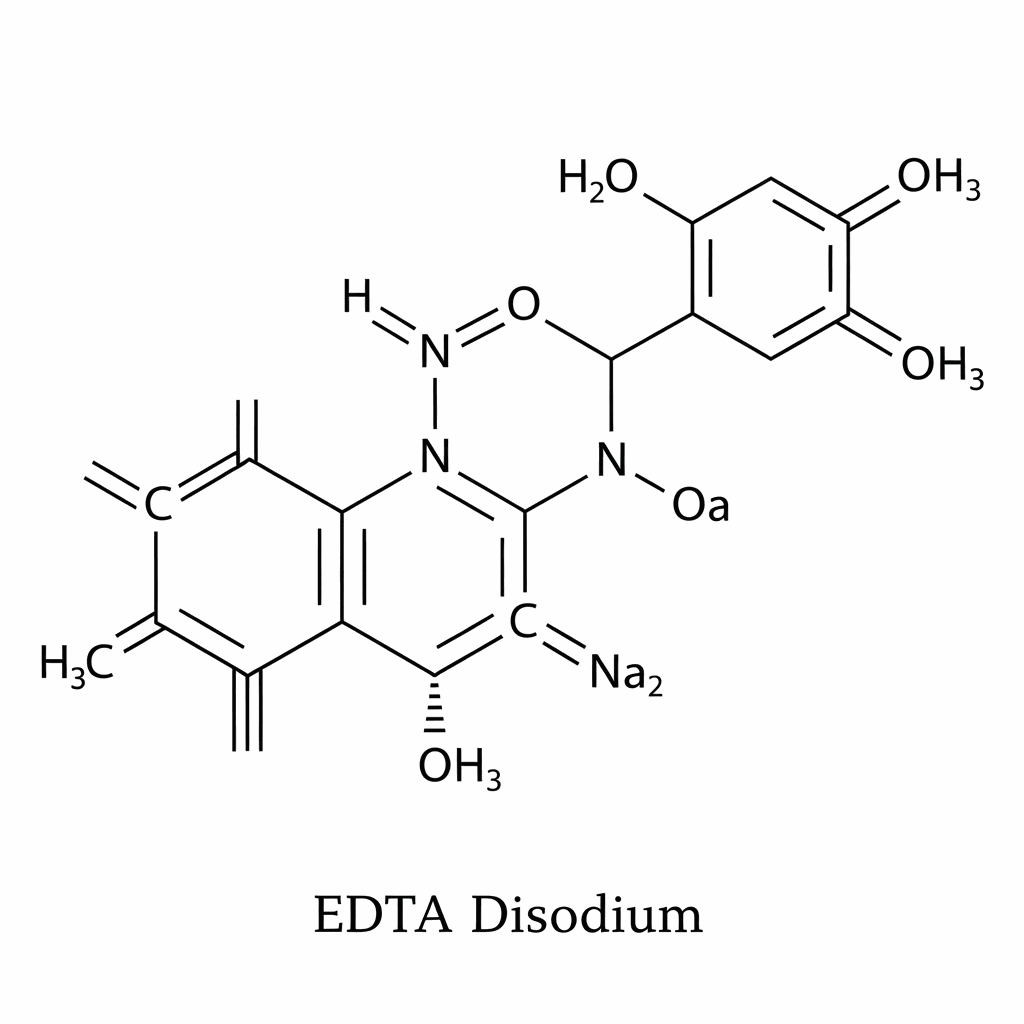
EDTA Disodium (Disodium Ethylenediaminetetraacetate), represented by CAS numbers 139-33-3 (anhydrous) and 6381-92-6 (dihydrate), is a powerful aminopolycarboxylic acid and a premier hexadentate chelating agent. Its primary function involves the sequestration of polyvalent metal ions, such as calcium, magnesium, and iron. By forming stable, water-soluble complexes—often referred to as chelates—EDTA-2Na prevents these ions from precipitating or catalyzing unwanted chemical reactions like oxidation or enzymatic degradation.

The dihydrate form is the most prevalent in commercial applications due to its excellent shelf stability and rapid solubility in aqueous environments. While the tetrasodium salt (EDTA-4Na) is highly alkaline, the disodium salt is preferred in formulations requiring a slightly acidic to neutral pH profile. From stabilizing pharmaceutical injectables and preserving the aesthetic integrity of cosmetic emulsions to ensuring color consistency in textile dyeing, EDTA Disodium serves as a critical processing aid across a vast array of technical and life-science industries.

Attributes

Key Features and Benefits

  • High Chelating Efficiency: Forms exceptionally stable 1:1 molar complexes with divalent and trivalent metal cations, effectively neutralizing mineral interference.
  • Antioxidant Synergist: Inhibits metal-catalyzed oxidative rancidity, preserving the fragrance, color, and active integrity of oils and fats.
  • Preservative Booster: Enhances the efficacy of antimicrobial agents by disrupting the outer membranes of Gram-negative bacteria, allowing preservatives to penetrate more effectively.
  • Hard Water Management: Functions as a water softener in detergent formulations, preventing the formation of insoluble lime soaps and mineral scales.
  • pH Compatibility: Operates effectively in acidic and neutral systems, making it more versatile for skin-care and food applications than alkaline alternatives.
Specifications

Technical Highlights

  • Molecular Formula: $C_{10}H_{14}N_2Na_2O_8 cdot 2H_2O$ (Dihydrate) or $C_{10}H_{14}N_2Na_2O_8$ (Anhydrous).
  • Molecular Weight: 372.24 g/mol (Dihydrate) / 336.21 g/mol (Anhydrous).
  • Assay/Purity: Typically $geq 99.0%$ via complexometric titration.
  • Aqueous Solubility: Approximately 100 g/L at 20°C; solubility increases significantly with temperature.
  • pH of 1% Solution: Ranges between 4.0 and 5.5, providing a mildly acidic profile.
  • Heavy Metal Content: Strictly controlled in pharmaceutical (USP/EP) and food (FCC) grades, usually $< 10$ ppm.
  • Decomposition Point: Undergoes thermal decomposition above 240°C.

Download Technical Data Sheet (TDS)

Practical industry uses

Applications

  • Cosmetics & Personal Care: Stabilizes shampoos, lotions, and liquid soaps against the turbidity and rancidity caused by trace metal ions.
  • Pharmaceuticals: Used as a stabilizer in ophthalmic solutions and injectables; also serves as an anticoagulant in blood collection tubes.
  • Food & Beverage: Acts as a sequestrant in canned legumes and carbonated beverages to prevent oxidation-induced discoloration and flavor loss.
  • Industrial Cleaning: Key ingredient in descaling agents, industrial detergents, and CIP (Clean-in-Place) systems for removing calcium and magnesium deposits.
  • Textile Industry: Prevents metal ion interference during bleaching and dyeing processes, ensuring high color yield and uniformity.
Key Sectors

Target Industries

Discover more

Related products

Key Sectors

We’re Here to Support Your Chemical Sourcing Needs

Have a question or need a quote? Our team is here to help with product details, pricing, and global delivery options.

Send a message to us

Your email address will not be published. Required fields are marked *