Bio - Based / Green Solvents, High-Purity Solvents

Ethyl Acetate

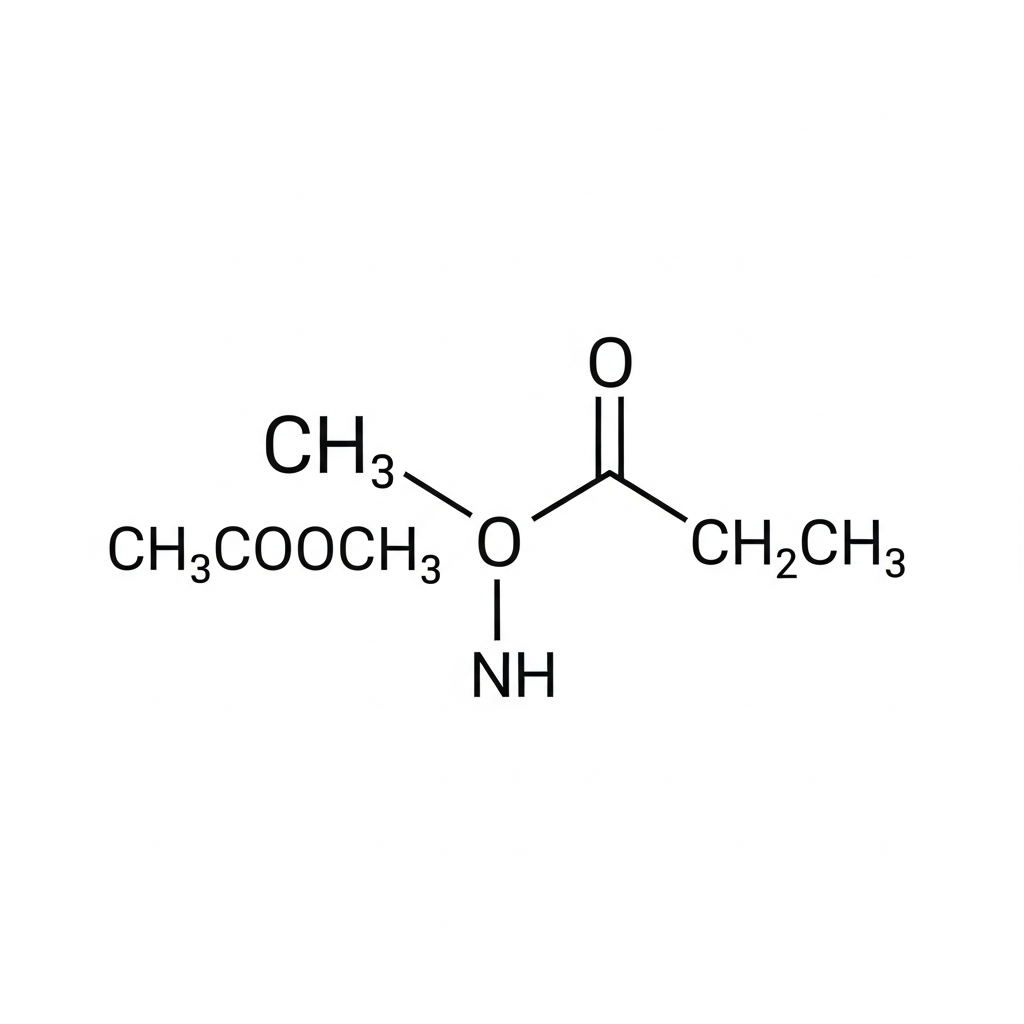
Ethyl acetate (CAS: 141-78-6), also known as ethyl ethanoate, is a significant organic ester widely utilized for its versatile solvent properties and characteristic fruity aroma. Chemically represented by the formula CH3COOCH2CH3, it is synthesized via the Fischer esterification of ethanol and acetic acid, typically in the presence of an acid catalyst. As a polar aprotic solvent, it provides an optimal balance between high solvency power and low toxicity, often serving as a safer alternative to aromatic or chlorinated hydrocarbons. Its relatively low boiling point and high volatility facilitate rapid evaporation, which is a critical requirement in industrial coating and printing processes. Beyond synthetic applications, ethyl acetate occurs naturally in various fruits and fermentation byproducts. It is valued in laboratory settings for liquid-liquid extraction and chromatography. While classified as a highly flammable liquid, its high biodegradability and low bioaccumulation potential make it an environmentally preferred choice in modern chemical manufacturing.

Attributes

Key Features and Benefits

  • High Solvency Power: Efficiently dissolves a broad spectrum of resins, polymers, and nitrocellulose, ensuring uniform formulation stability.
  • Rapid Evaporation Rate: Its high volatility allows for quick drying times in coatings, inks, and adhesives, significantly increasing industrial throughput.
  • Improved Safety Profile: Offers a lower systemic toxicity compared to traditional solvents like toluene or methyl ethyl ketone (MEK).
  • Biodegradability: Easily broken down by environmental microorganisms, resulting in low persistence and minimal ecological impact.
  • Economic Viability: Produced through well-established, high-yield synthetic routes, ensuring a consistent and cost-effective global supply for large-scale operations.
Specifications

Technical Highlights

  • Molecular Specifications: Molar mass of 88.11 g/mol with a chemical formula of C4H8O2.
  • Thermal Properties: Boiling point of 77.1°C (170.8°F) and a melting point of -83.6°C.
  • Flammability Data: Flash point of -4°C (24.8°F), necessitating its classification as a Class 3 flammable liquid (GHS).
  • Solubility Profile: Partially soluble in water (approx. 8% at 25°C); however, it is completely miscible with most organic solvents, including ethanol, acetone, and diethyl ether.
  • Physical Constants: Density of 0.902 g/cm³ at 20°C and a vapor pressure of approximately 93 mmHg at 20°C.

Download Technical Data Sheet (TDS)

Practical industry uses

Applications

  • Electrical and electronics
  • Connectors, switches, PCB housings, terminal blocks
  • Automotive
  • Under-hood components, interior assemblies, cable conduits
  • Wire and cable
  • Insulation layers, sheathing, jacketing materials
  • Construction
  • Plastic fittings, conduits, insulation panels
  • Consumer appliances
  • Enclosures, adapters, plugs, casings
  • Industrial components
  • Fiber-reinforced composites, flame-retardant masterbatches
  • Compatible polymers
  • PA6, PA66
  • PBT, PET
  • PE, PP
  • Blends and copolymers requiring halogen-free flame retardancy
Key Sectors

Target Industries

Discover more

Related products

Key Sectors

We’re Here to Support Your Chemical Sourcing Needs

Have a question or need a quote? Our team is here to help with product details, pricing, and global delivery options.

Send a message to us

Your email address will not be published. Required fields are marked *