Ethyl Acetoacetate
Acetates & Esters

Ethyl Acetoacetate

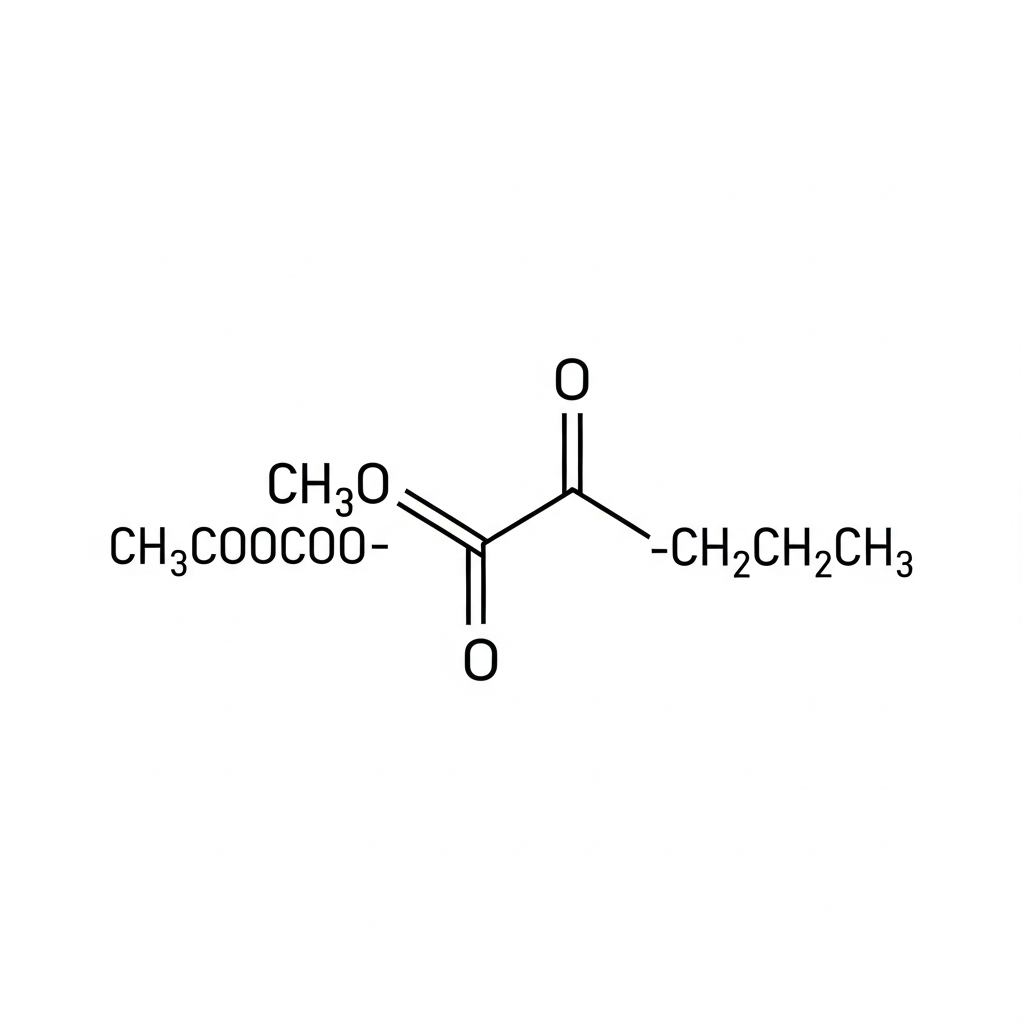
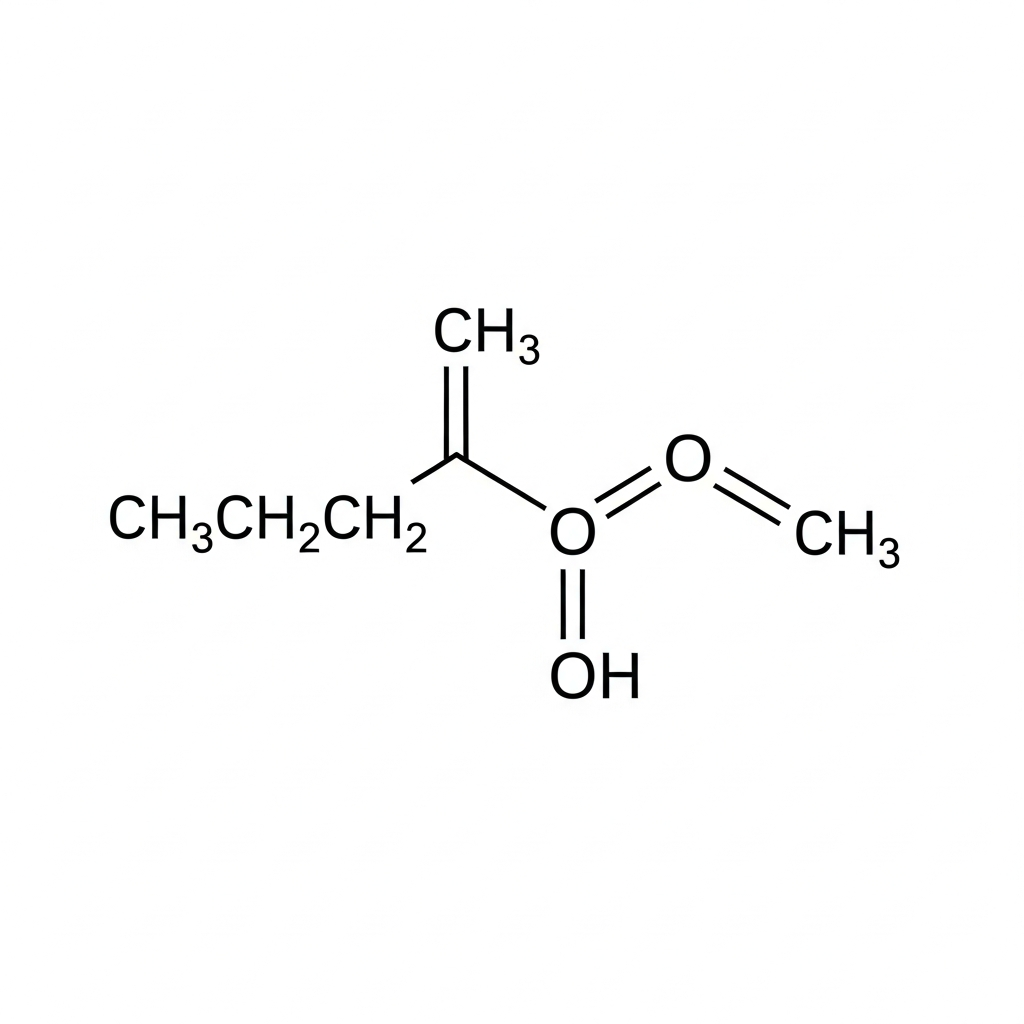
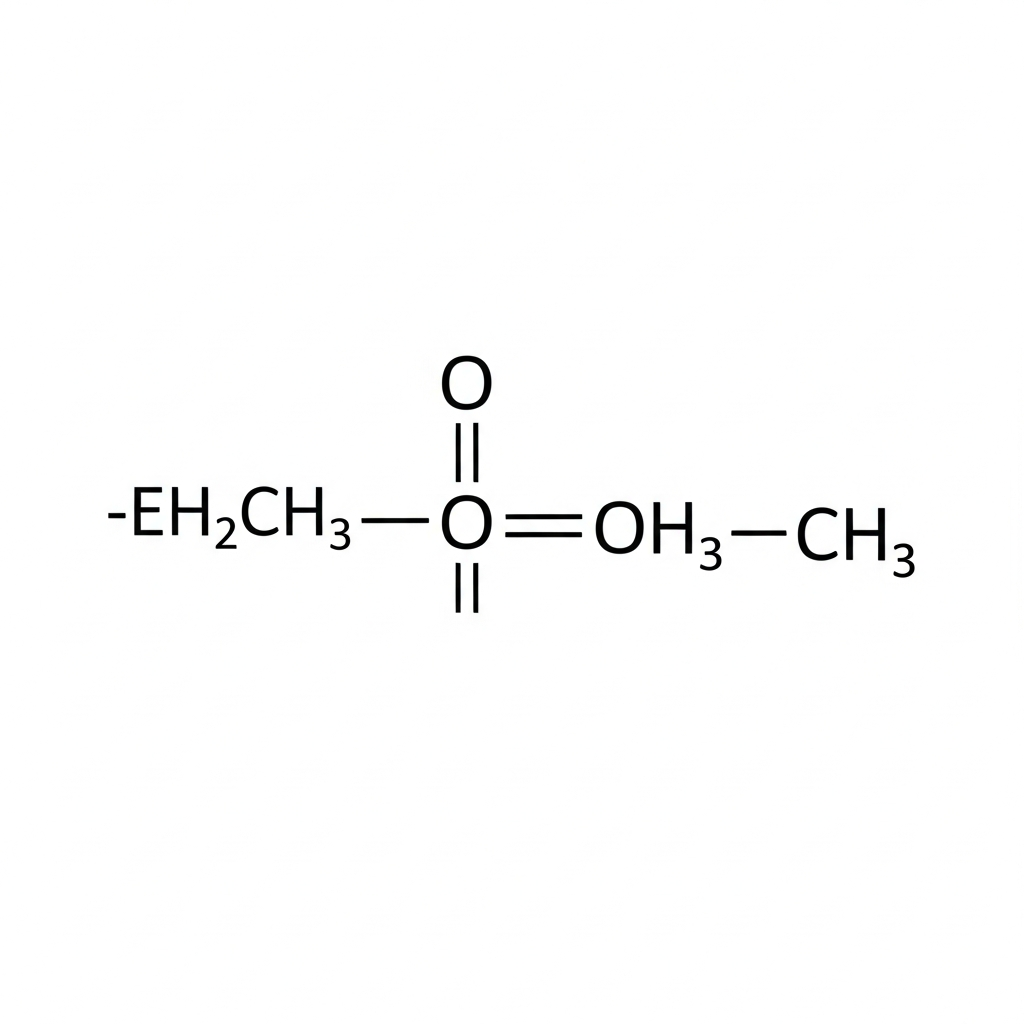
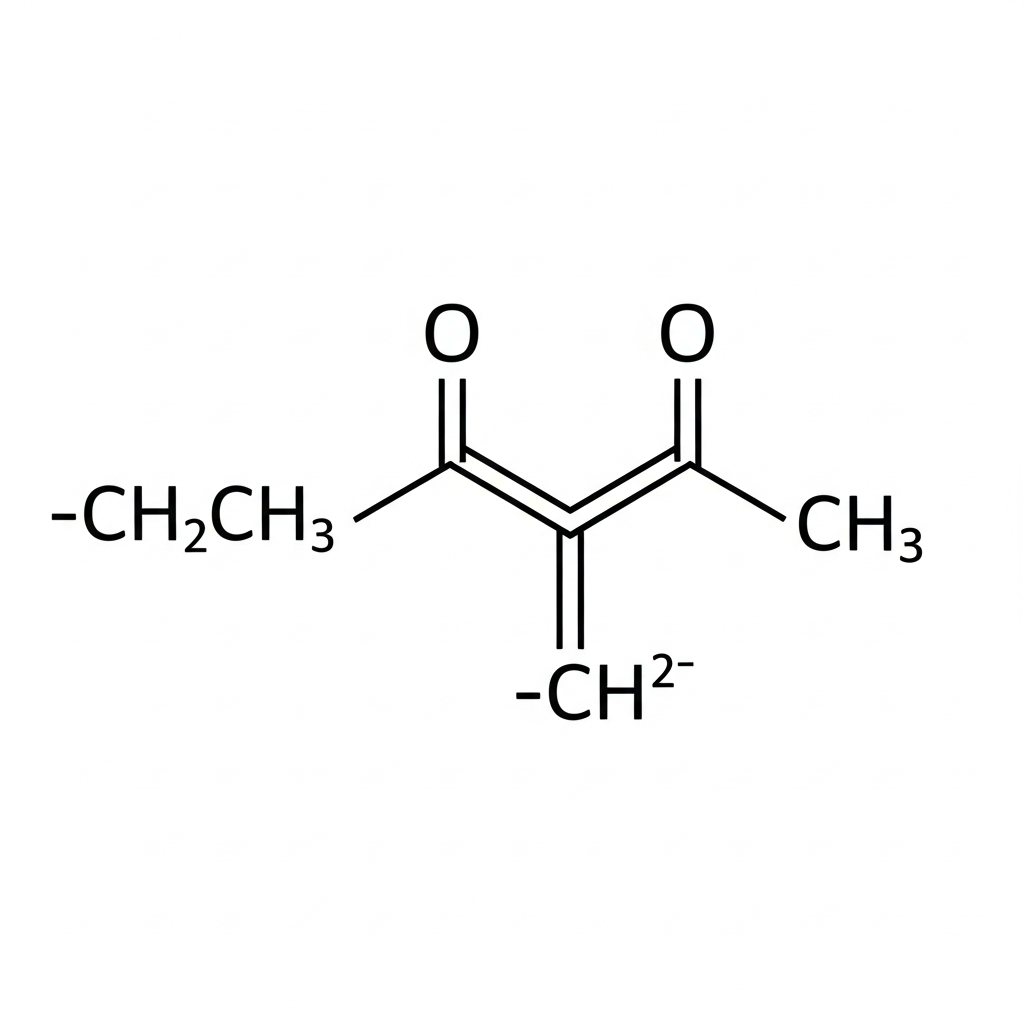
Ethyl acetoacetate (EAA), identified by CAS number 141-97-9, is a prominent organic compound and a fundamental ester used extensively in synthetic chemistry. Represented by the molecular formula $C_6H_{10}O_3$, it is a colorless, mobile liquid characterized by a pleasant, fruity, and ethereal odor. One of its most significant chemical attributes is its keto-enol tautomerism; at room temperature, it exists as a dynamic equilibrium between its keto and enol forms. This structural duality, combined with a highly reactive “active methylene” group situated between two electron-withdrawing carbonyl groups, makes it an indispensable building block for organic synthesis. Produced industrially via the reaction of diketene with ethanol, ethyl acetoacetate serves as a versatile starting material for a vast array of compounds. Its ability to undergo alkylation, acylation, and cyclization reactions allows it to facilitate the production of complex molecules in the pharmaceutical, agrochemical, and fragrance industries.

Attributes

Key Features and Benefits

* High purity (minimum 99%) guarantees consistent product quality.
* Serves as a versatile intermediate for diverse organic synthesis.
* A key building block for pharmaceuticals, dyes, and pigments.
* Enhances various food flavors and fragrance formulations.
* Essential for the synthesis of important nutritional compounds like Vitamin B1.
* A valuable raw material for paints, plastics, and protective coatings.
* A clear, colorless liquid with a pleasant fruity aroma.
* Crucial precursor in the manufacture of specific medicinal drugs.

Specifications

Technical Highlights

* Appearance: Clear, colorless liquid
* Odor: Fruity, ethereal odor
* Purity (GC): Min. 99.0%
* Density @ 20°C: 1.025 – 1.029 g/cm³
* Refractive Index @ 20°C: 1.418 – 1.420
* Acidity (as Acetic Acid): Max. 0.05%
* Moisture Content (KF): Max. 0.05%
* Color (APHA): Max. 10
* Boiling Point: 180-182 °C
* Flash Point: 74 °C (Closed Cup)

Download Technical Data Sheet (TDS)

Practical industry uses

Applications

* **Pharmaceuticals:** Used as a crucial building block in synthesizing various drugs like antimalarials, anticonvulsants, and anti-inflammatory medications.
* **Agrochemicals:** Functions as an intermediate in producing herbicides, insecticides, and fungicides, aiding in effective crop protection.
* **Fragrances & Flavors:** Employed for its fruity and sweet aroma, enhancing desirable notes in a wide range of products.
* **Dyes & Pigments:** Serves as a precursor in synthesizing certain dyes and pigments, contributing to their color and stability.
* **Polymers & Plastics:** Utilized as a raw material, influencing properties such as flexibility and adhesion in the production of polymers and plastics.
* **General Chemical Synthesis:** Acts as a versatile reagent in organic synthesis for creating numerous other chemicals, including complex molecules and heterocycles.

Key Sectors

Target Industries

Discover more

Related products

Key Sectors

We’re Here to Support Your Chemical Sourcing Needs

Have a question or need a quote? Our team is here to help with product details, pricing, and global delivery options.

Send a message to us

Your email address will not be published. Required fields are marked *