Acrylates, High-Purity Solvents

Ethyl Acrylate (EA)

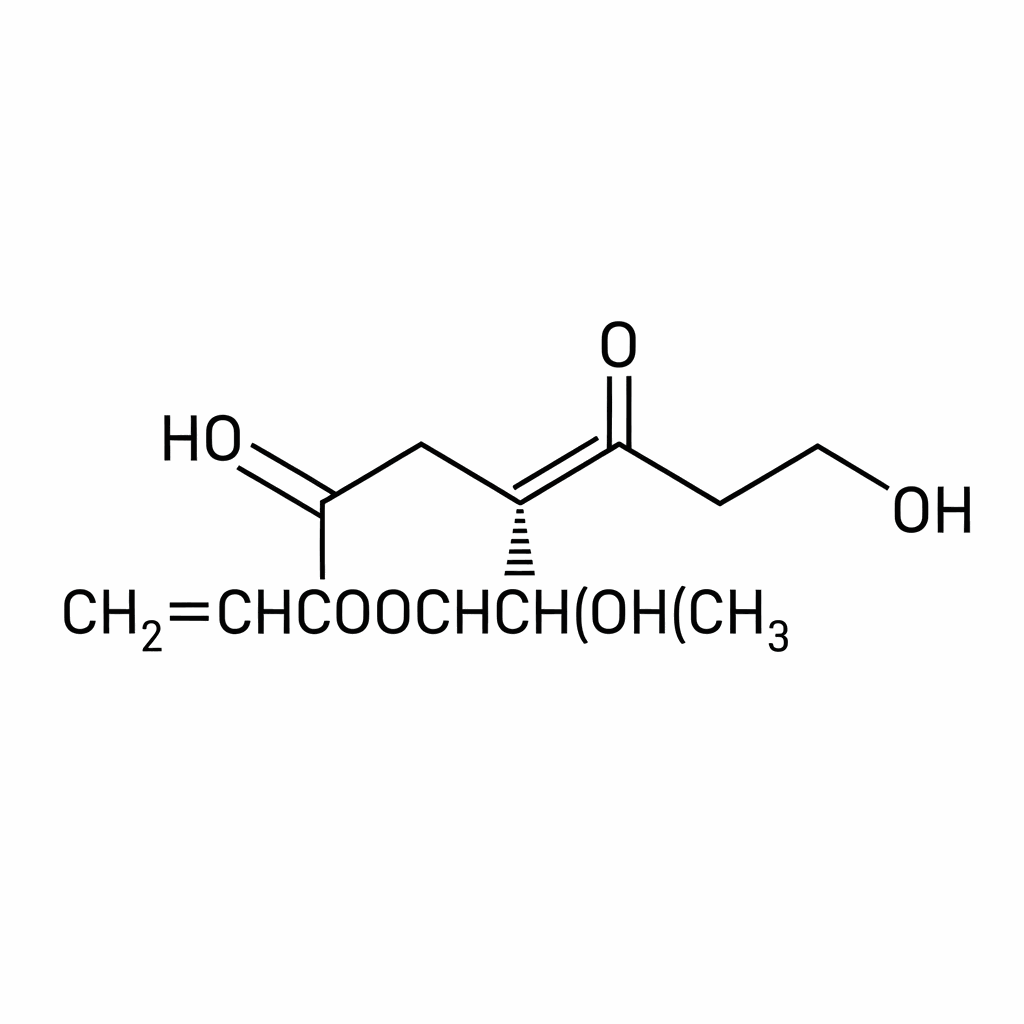
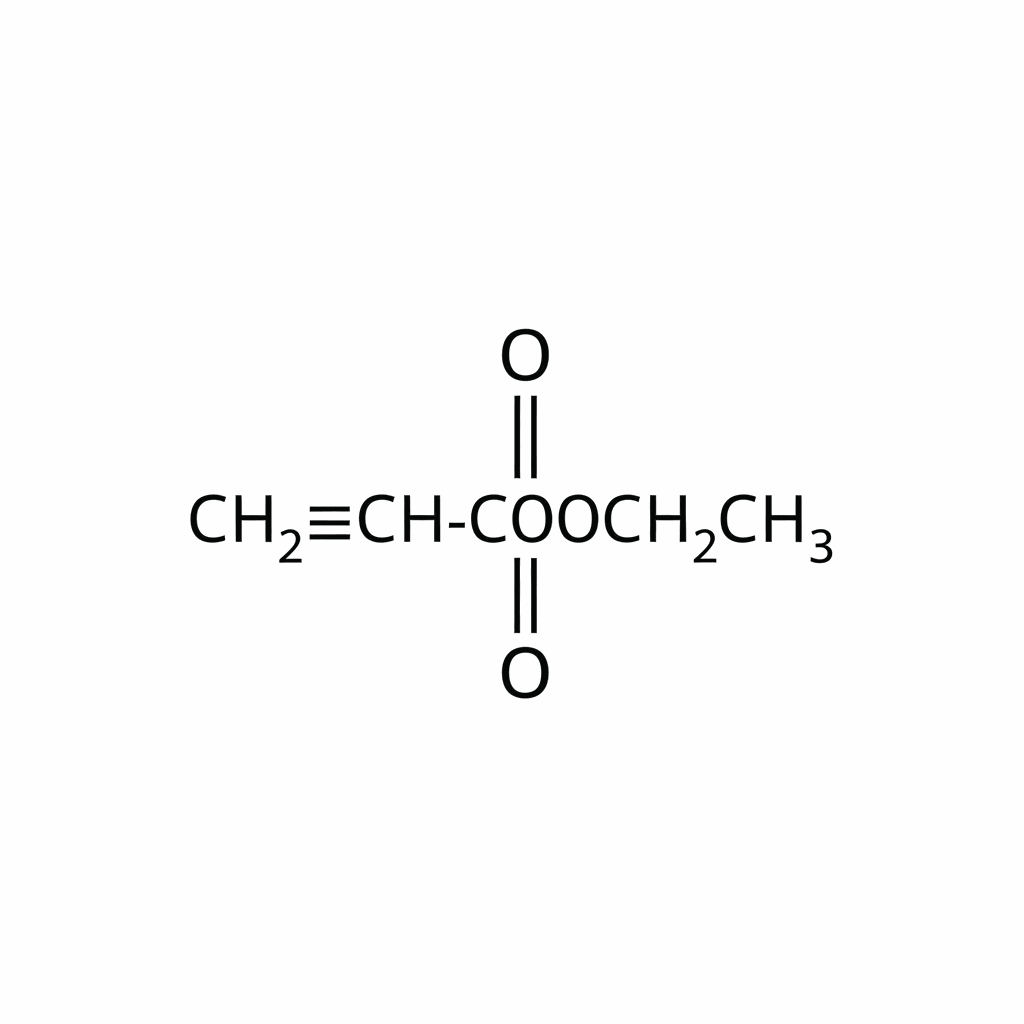
Ethyl Acrylate, designated by CAS number 140-88-5, is an organic compound and an ethyl ester of acrylic acid. This clear, colorless liquid is characterized by its sharp, acrid, and penetrating odor, which is detectable even at very low concentrations. As a highly volatile and flammable monomer, it plays a critical role in the polymer industry. Chemically, it possesses a vinyl group directly attached to the carbonyl carbon, making it extremely reactive and prone to polymerization under the influence of heat, light, or free-radical initiators. To prevent spontaneous polymerization during storage and transport, it is typically stabilized with inhibitors like hydroquinone monomethyl ether. While it is only sparingly soluble in water, it exhibits complete miscibility with most organic solvents, including alcohols, ethers, and aliphatic hydrocarbons. Ethyl acrylate serves as a fundamental building block for various acrylate copolymers, providing essential properties such as flexibility, UV resistance, and excellent adhesion across diverse substrates.
Attributes

Key Features and Benefits

  • High Reactivity: The vinyl double bond facilitates rapid copolymerization with monomers like methyl methacrylate, styrene, and vinyl acetate.
  • Low Glass Transition Temperature: With a Tg of approximately -70 degrees Celsius, it imparts exceptional flexibility and low-temperature performance to polymers.
  • Excellent Weatherability: Acrylate polymers derived from EA demonstrate superior resistance to UV degradation, maintaining transparency and structural integrity outdoors.
  • Strong Solvency: It acts as an effective solvent for various resins and chemical intermediates during the synthesis of complex polymer structures.
  • Versatile Adhesion: Enhances the bonding capabilities of coatings and adhesives on difficult, non-polar substrates like plastics and treated metals.
Specifications

Technical Highlights

  • Molecular Formula and Weight: Chemical formula C5H8O2 with a molecular weight of 100.12 g/mol, representing a simple unsaturated ester.
  • Boiling and Melting Points: Exhibits a boiling point of 99.8 degrees Celsius and a freezing point of -71.2 degrees Celsius at atmospheric pressure.
  • Vapor Pressure: High volatility with a vapor pressure of 31 mmHg at 20 degrees Celsius, requiring specialized handling and ventilation systems.
  • Flash Point: Flammable liquid with a low flash point of 9 degrees Celsius (Tag Closed Cup), posing significant fire hazards.
  • Density and Refractive Index: Measured density of 0.923 g/cm3 at 20 degrees Celsius and a refractive index of 1.4060.

Download Technical Data Sheet (TDS)

Practical industry uses

Applications

  • Surface Coatings: Extensively used in waterborne architectural paints and industrial coatings to provide durability, washability, and long-lasting gloss finishes.
  • Pressure-Sensitive Adhesives: A primary component in tapes and labels, offering the necessary tack and shear strength for various bonding applications.
  • Textile Finishes: Employed in the production of non-woven fabrics and textile treatments to improve hand-feel, water resistance, and pigment binding.
  • Paper Chemicals: Used in paper coatings and saturants to enhance surface smoothness, ink receptivity, and overall mechanical strength of the paper.
  • Leather Processing: Utilized in leather finishing formulations to provide a flexible, protective layer that resists cracking and environmental wear.
Key Sectors

Target Industries

Discover more

Related products

Key Sectors

We’re Here to Support Your Chemical Sourcing Needs

Have a question or need a quote? Our team is here to help with product details, pricing, and global delivery options.

Send a message to us

Your email address will not be published. Required fields are marked *