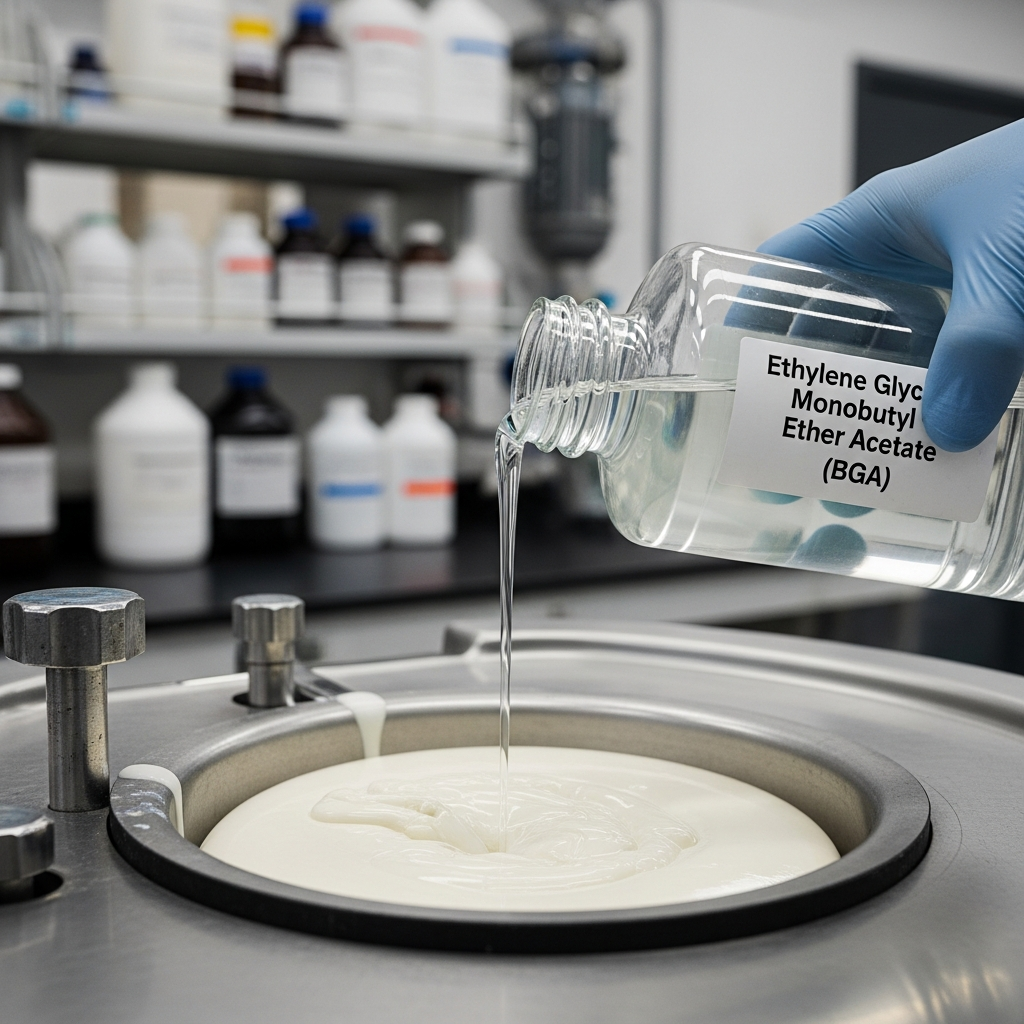
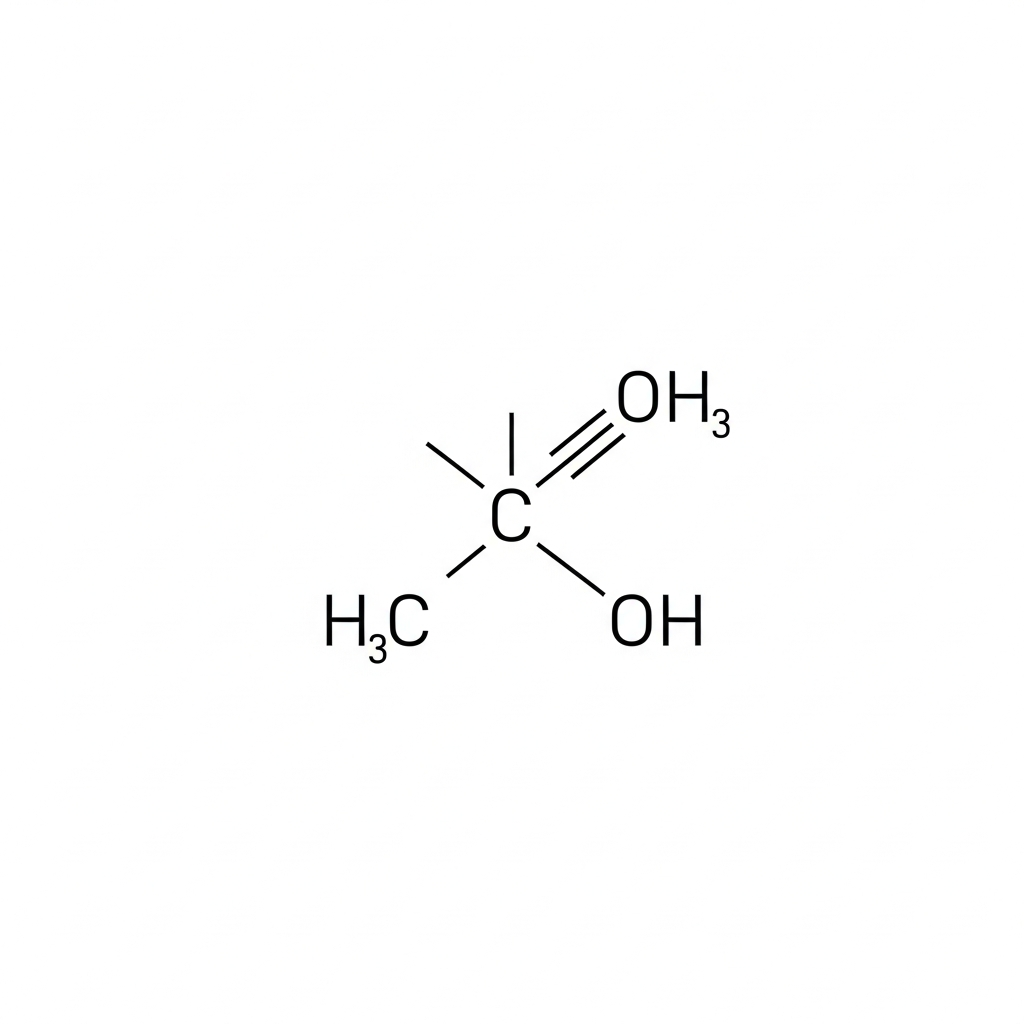
Ethylene Glycol Monobutyl Ether Acetate (BGA)
Glycol Ethers, High-Purity Solvents

Ethylene Glycol Monobutyl Ether Acetate (BGA)

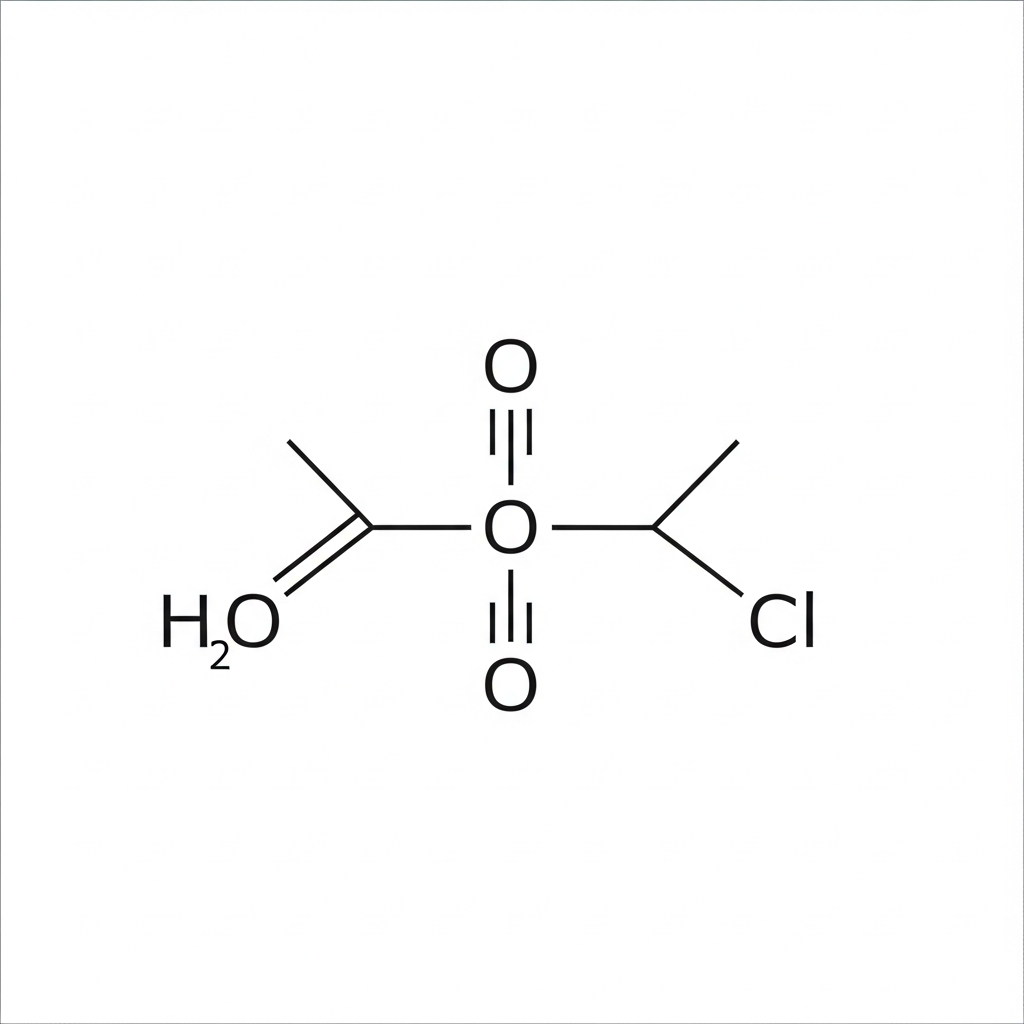
Ethylene Glycol Monobutyl Ether Acetate (BGA), also known as 2-butoxyethyl acetate (CAS: 112-07-2), is a high-boiling, slow-evaporating ester solvent characterized by its clear, colorless appearance and mild, fruity odor. As a derivative of ethylene glycol monobutyl ether, BGA combines the solvency of an ether with the reactivity and characteristic properties of an ester. It exhibits limited miscibility with water but is highly compatible with most organic solvents and a wide array of resins, including nitrocellulose, acrylic, epoxy, and urethane systems.

In industrial chemistry, BGA is primarily valued for its ability to improve the flow and leveling of coatings by slowing the drying process. Its low volatility makes it an essential component in high-temperature baking finishes and specialty printing inks. Furthermore, BGA serves as a critical coalescing aid in water-borne coatings, facilitating film formation without compromising structural integrity. From a safety perspective, it is classified as a combustible liquid and requires proper ventilation and personal protective equipment (PPE) during industrial handling to mitigate inhalation and dermal exposure risks.

Attributes

Key Features and Benefits

  • High Boiling Point: Ensures controlled evaporation, preventing surface defects such as “blushing” or pinholing in high-humidity conditions.
  • Superior Solvency: Effectively dissolves a broad spectrum of polymers, including cellulose nitrate, polyacrylates, and thermoplastic resins.
  • Enhanced Flow and Leveling: Reduces viscosity and surface tension, leading to smoother, high-gloss finishes in decorative and industrial coatings.
  • Low Volatility: Minimizes solvent loss during high-temperature processing and baking cycles.
  • Coalescing Efficiency: Acts as an excellent film-forming agent for water-dispersible resins and latex paints.
  • Coupling Ability: Bridges the gap between hydrophobic and hydrophilic components in complex formulations.
Specifications

Technical Highlights

  • Molecular Formula: C8H16O3
  • Molar Mass: 160.21 g/mol
  • Boiling Point: Approximately 192°C (377.6°F) at 760 mmHg.
  • Flash Point: ~71°C (160°F) (Closed Cup), classifying it as a combustible liquid (Class IIIA).
  • Evaporation Rate: 0.03 (relative to n-Butyl Acetate = 1), indicating a very slow evaporation profile.
  • Specific Gravity: 0.942 at 20°C.
  • Vapor Pressure: 0.3 mmHg at 20°C, contributing to lower VOC emissions in specific regulatory contexts.
  • Solubility: ~1.5% by weight in water at 20°C; completely miscible with most alcohols, ketones, and aldehydes.

Download Technical Data Sheet (TDS)

Practical industry uses

Applications

  • Electrical and electronics
  • Connectors, switches, PCB housings, terminal blocks
  • Automotive
  • Under-hood components, interior assemblies, cable conduits
  • Wire and cable
  • Insulation layers, sheathing, jacketing materials
  • Construction
  • Plastic fittings, conduits, insulation panels
  • Consumer appliances
  • Enclosures, adapters, plugs, casings
  • Industrial components
  • Fiber-reinforced composites, flame-retardant masterbatches
  • Compatible polymers
  • PA6, PA66
  • PBT, PET
  • PE, PP
  • Blends and copolymers requiring halogen-free flame retardancy
Key Sectors

Target Industries

Discover more

Related products

Key Sectors

We’re Here to Support Your Chemical Sourcing Needs

Have a question or need a quote? Our team is here to help with product details, pricing, and global delivery options.

Send a message to us

Your email address will not be published. Required fields are marked *