Acrylates, High-Purity Solvents

Hydroxyethyl Acrylate (HEA)

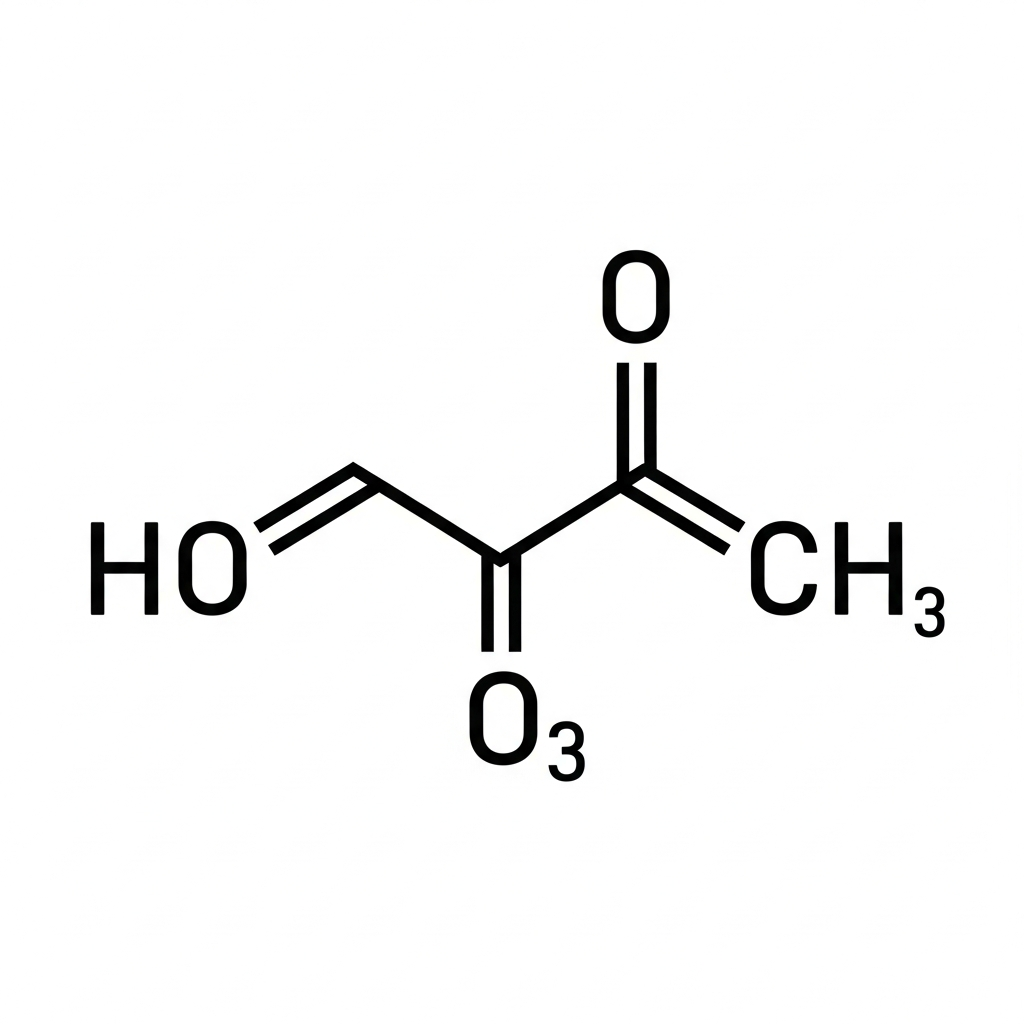
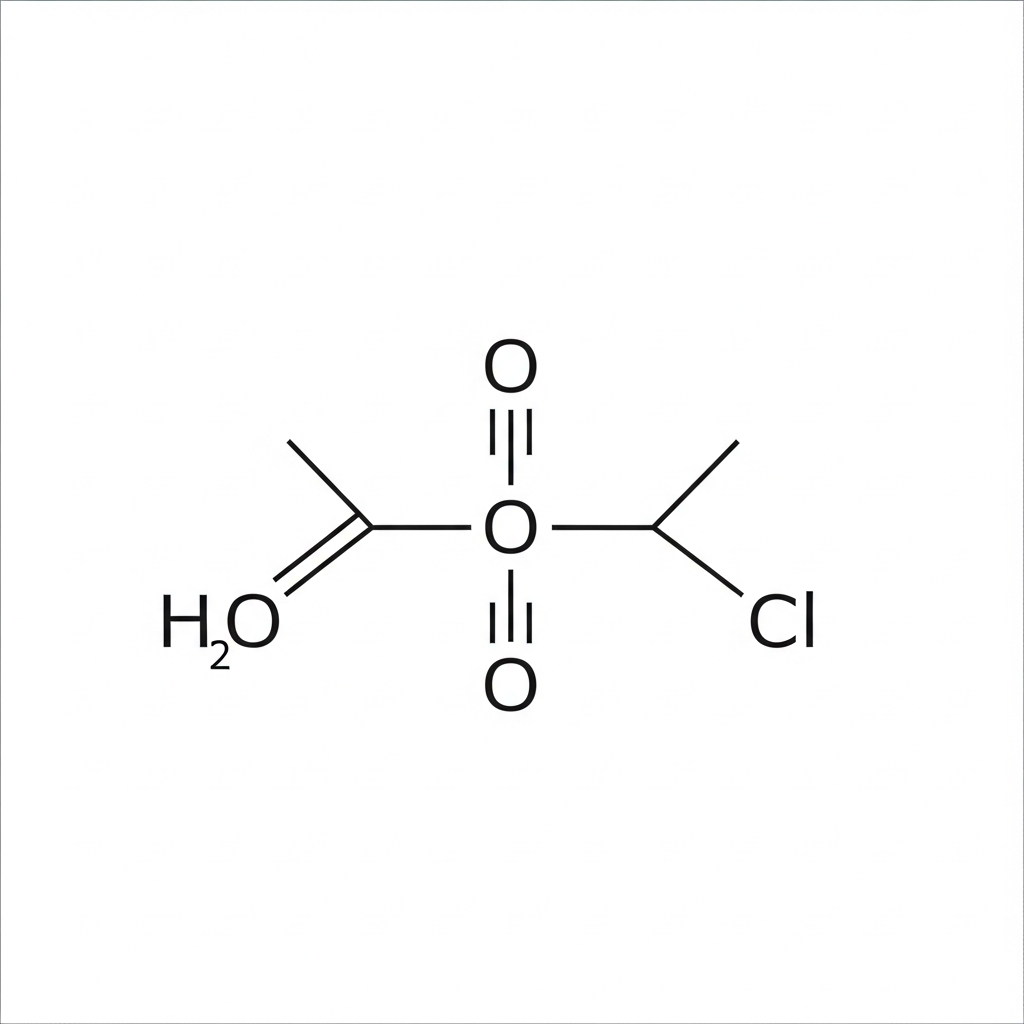
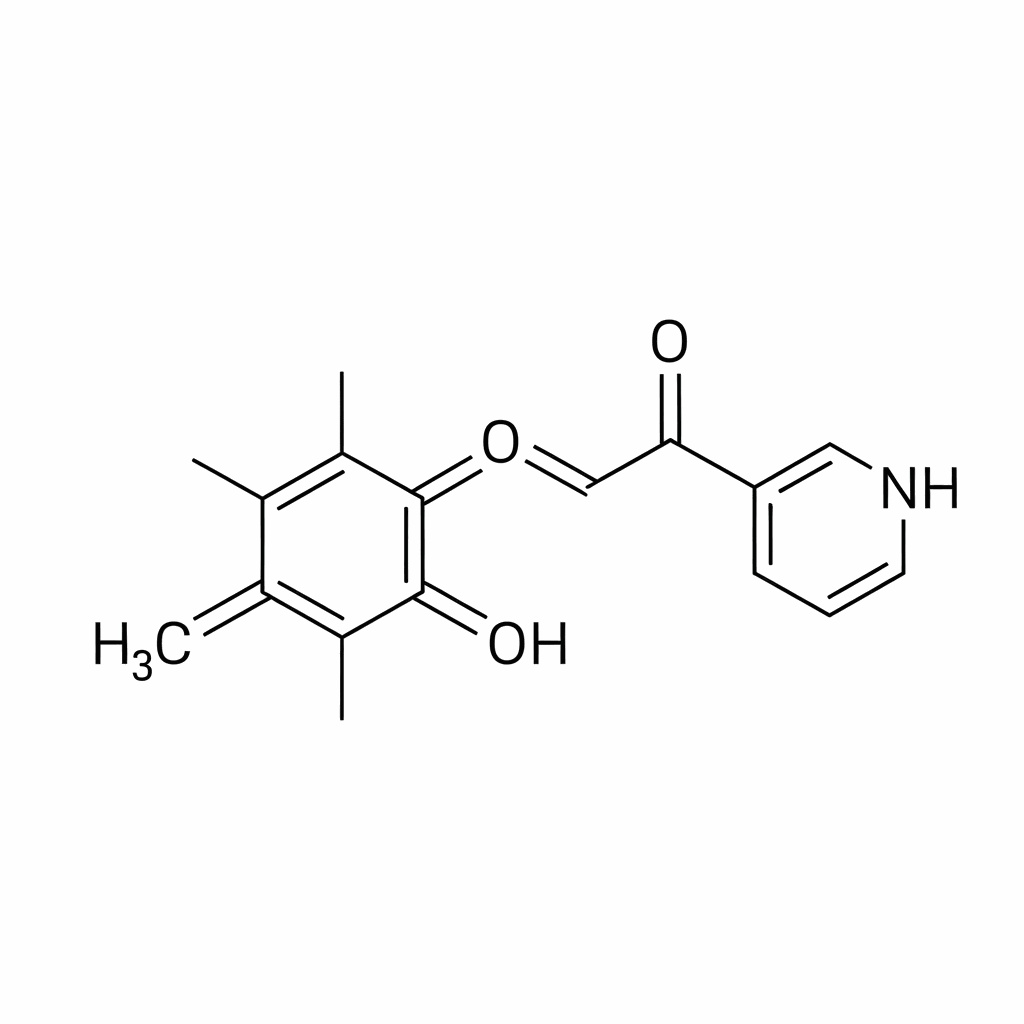
Hydroxyethyl Acrylate, identified by CAS number 818-61-1, is a clear, colorless, and versatile liquid monomer characterized by its dual functionality. It possesses both a reactive vinyl group and a primary hydroxyl group, which facilitates its use as a critical building block in the synthesis of specialized polymers and copolymers. The molecular formula C5H8O3 reflects its structure as an ester of acrylic acid and ethylene glycol. This monomer is highly valued for its ability to introduce functional hydroxyl sites into polymer backbones, allowing for subsequent cross-linking reactions or chemical modifications. HEA exhibits high reactivity in free radical polymerization and demonstrates excellent compatibility with various acrylic and methacrylic monomers. Due to its polar nature, it imparts improved adhesion, hydrophilicity, and flexibility to the final products. It is essential to handle this compound with care, as it is corrosive and can cause sensitization, requiring adherence to strict safety protocols during industrial processing and storage.
Attributes

Key Features and Benefits

  • Dual reactivity provided by the presence of both an acrylic double bond for polymerization and a primary hydroxyl group for condensation.
  • Exceptional adhesion promoters that enhance the bonding strength of coatings and adhesives to various polar substrates like metal and wood.
  • High transparency and low color value (typically less than 30 APHA), making it ideal for optical and clear coating applications.
  • Superior chemical resistance when cross-linked, providing durability against solvents and environmental stressors in the final polymer matrix.
  • Effective internal plasticization during copolymerization, which improves the impact resistance and overall flexibility of the resulting resin system.
Specifications

Technical Highlights

  • Molecular weight is 116.12 g/mol with a boiling point of approximately 197 degrees Celsius at atmospheric pressure conditions.
  • Specific gravity ranges between 1.106 and 1.110 at 20 degrees Celsius, ensuring predictable density for industrial volume formulations.
  • Standard moisture content is typically controlled below 0.2 percent to prevent premature polymerization or undesired side reactions during synthesis.
  • Flash point is recorded at 99 degrees Celsius (closed cup), requiring standard precautions for handling combustible liquids in plant environments.
  • Purity levels for industrial grades are generally maintained at a minimum of 97 percent via gas chromatography analysis.

Download Technical Data Sheet (TDS)

Practical industry uses

Applications

  • Formulation of thermosetting acrylic resins used extensively in high-performance automotive topcoats and industrial OEM finishes for metal surfaces.
  • Production of UV-curable monomers and oligomers where the hydroxyl functionality allows for subsequent acrylation or urethane acrylate synthesis.
  • Synthesis of pressure-sensitive adhesives (PSAs) where it improves shear strength and provides reactive sites for cross-linking agents.
  • Manufacturing of textile finishing agents and non-woven binders to enhance durability, wash-fastness, and softness of treated fiber materials.
  • Development of water-soluble polymers and hydrogels for medical or personal care applications, leveraging its inherent hydrophilic chemical character.
Key Sectors

Target Industries

Discover more

Related products

Key Sectors

We’re Here to Support Your Chemical Sourcing Needs

Have a question or need a quote? Our team is here to help with product details, pricing, and global delivery options.

Send a message to us

Your email address will not be published. Required fields are marked *