Acrylates, High-Purity Solvents

Iso-Butyl Methacrylate (IBMA)

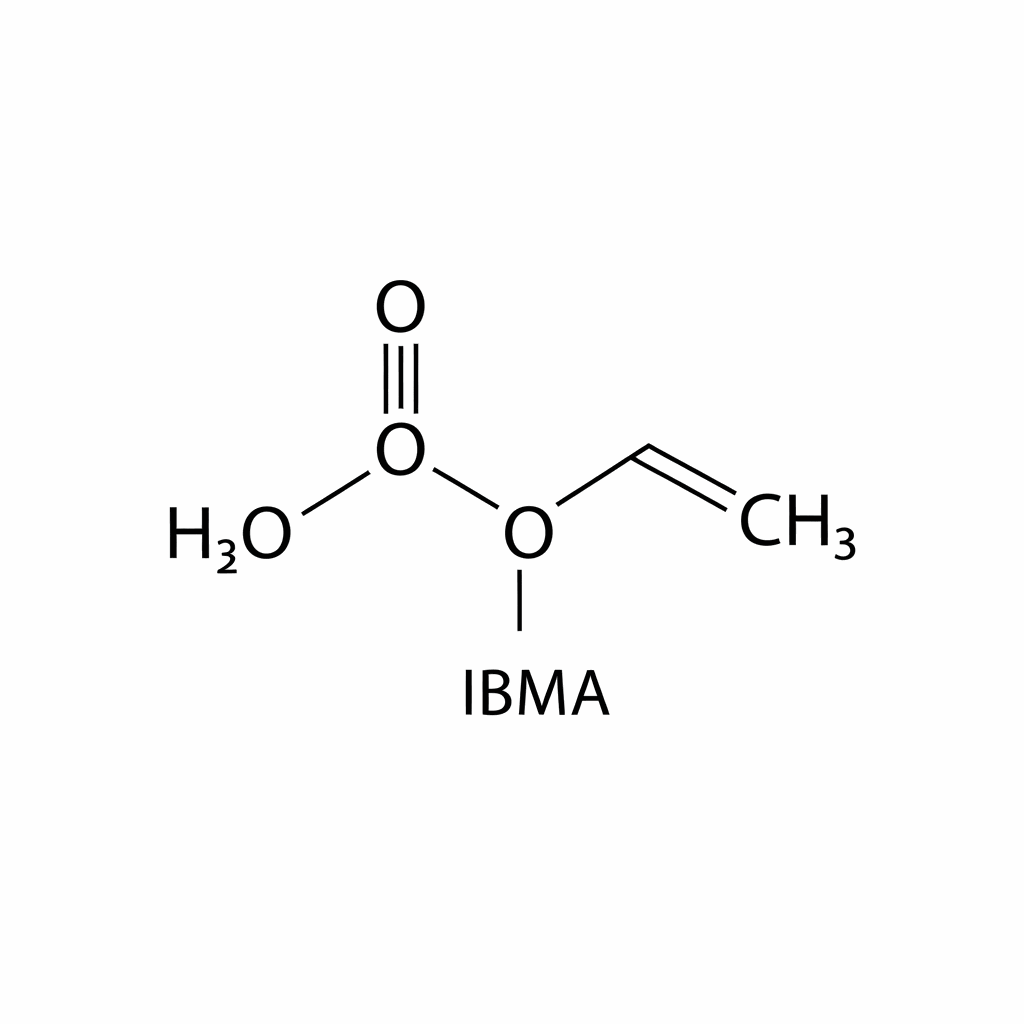
Iso-Butyl Methacrylate (IBMA) is a clear, colorless, and volatile liquid ester with a characteristic pungent odor. It serves as a vital monomer in the polymer science industry, characterized by its molecular formula C8H14O2. As an ester of methacrylic acid, IBMA is known for its ability to undergo radical polymerization, forming homopolymers or copolymers with a wide range of other monomers like methyl methacrylate or styrene. One of its defining characteristics is its glass transition temperature (Tg), which is typically around 53 degrees Celsius, making it softer than methyl methacrylate but harder than butyl methacrylate. This unique thermal profile provides a balance between flexibility and rigidity. IBMA is relatively insoluble in water but highly miscible with most organic solvents. Its chemical structure incorporates a branched isobutyl group, which imparts enhanced hydrophobicity and weather resistance to the resulting polymeric films, making it an essential building block for high-performance industrial coatings and formulations.
Attributes

Key Features and Benefits

  • Excellent clarity and low color intensity ensure high-quality visual results in final polymer applications and resin clear-coats.
  • Exceptional weatherability and UV resistance make it an ideal choice for outdoor coatings that require long-term environmental stability.
  • The branched molecular structure provides superior water resistance compared to linear methacrylates, enhancing overall moisture protection in formulations.
  • Versatile reactivity allows for efficient copolymerization with diverse acrylic and vinyl monomers to customize physical and chemical properties.
  • Good flexibility and adhesion characteristics provide robust mechanical performance, ensuring durability across a variety of substrate types and surfaces.
Specifications

Technical Highlights

  • Molecular Weight: 142.20 g/mol, which facilitates specific stoichiometry in precision polymerization and molecular weight distribution control during synthesis.
  • Boiling Point: 155 degrees Celsius at atmospheric pressure, ensuring manageable volatility during the heating phases of chemical manufacturing processes.
  • Flash Point: 49 degrees Celsius (closed cup), requiring stringent safety protocols for handling and storage in industrial chemical environments.
  • Glass Transition Temperature (Tg): Approximately 53 degrees Celsius for homopolymers, offering a medium-range hardness between methyl and butyl methacrylates.
  • Density: Approximately 0.889 g/cm3 at 20 degrees Celsius, a critical parameter for calculating volume-to-mass ratios in industrial reactor vessels.

Download Technical Data Sheet (TDS)

Practical industry uses

Applications

  • Automotive Coatings: Used in basecoats and topcoats to provide high gloss, durability, and resistance to environmental degradation over time.
  • Pressure Sensitive Adhesives: Incorporated into adhesive formulations to balance tackiness and cohesive strength for various industrial and consumer tapes.
  • Plastics Modification: Acts as an impact modifier and processing aid in plastic resins to improve flexibility and outdoor weathering performance.
  • Textile Finishes: Applied in the treatment of fabrics to improve water repellency and provide a soft hand-feel in specialty garments.
  • Dental Materials: Utilized as a reactive component in dental restorative resins and cements due to its biocompatibility and curing properties.
Key Sectors

Target Industries

Discover more

Related products

Key Sectors

We’re Here to Support Your Chemical Sourcing Needs

Have a question or need a quote? Our team is here to help with product details, pricing, and global delivery options.

Send a message to us

Your email address will not be published. Required fields are marked *