Acrylates, High-Purity Solvents

Isobornyl Acrylate (IBOA)

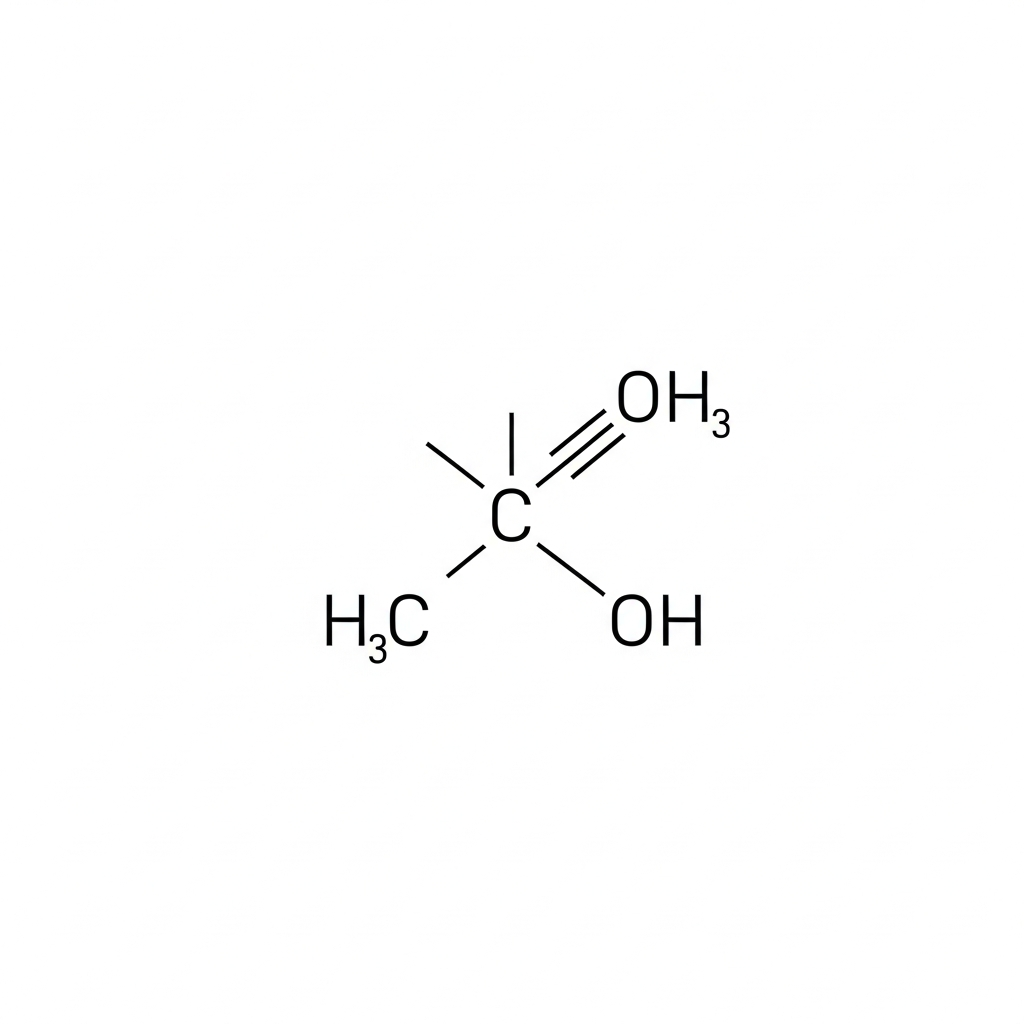
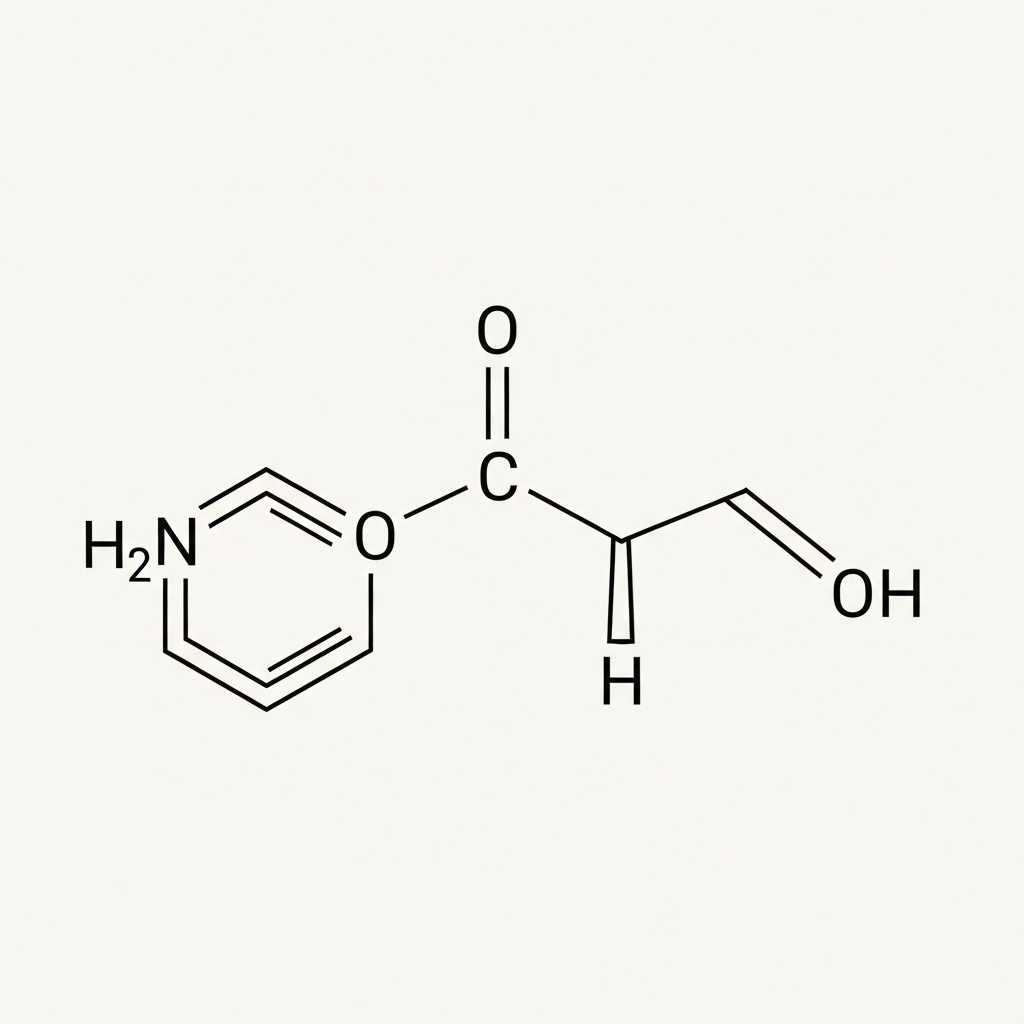
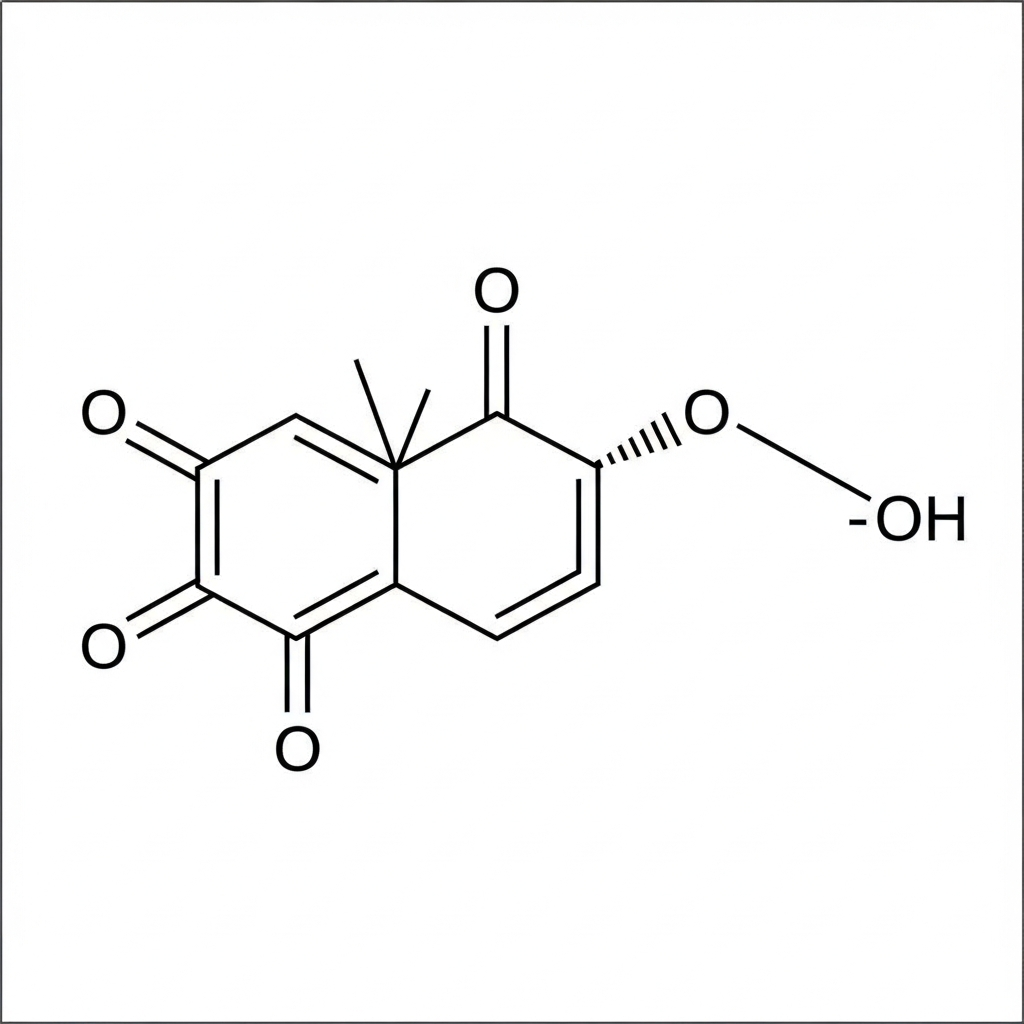
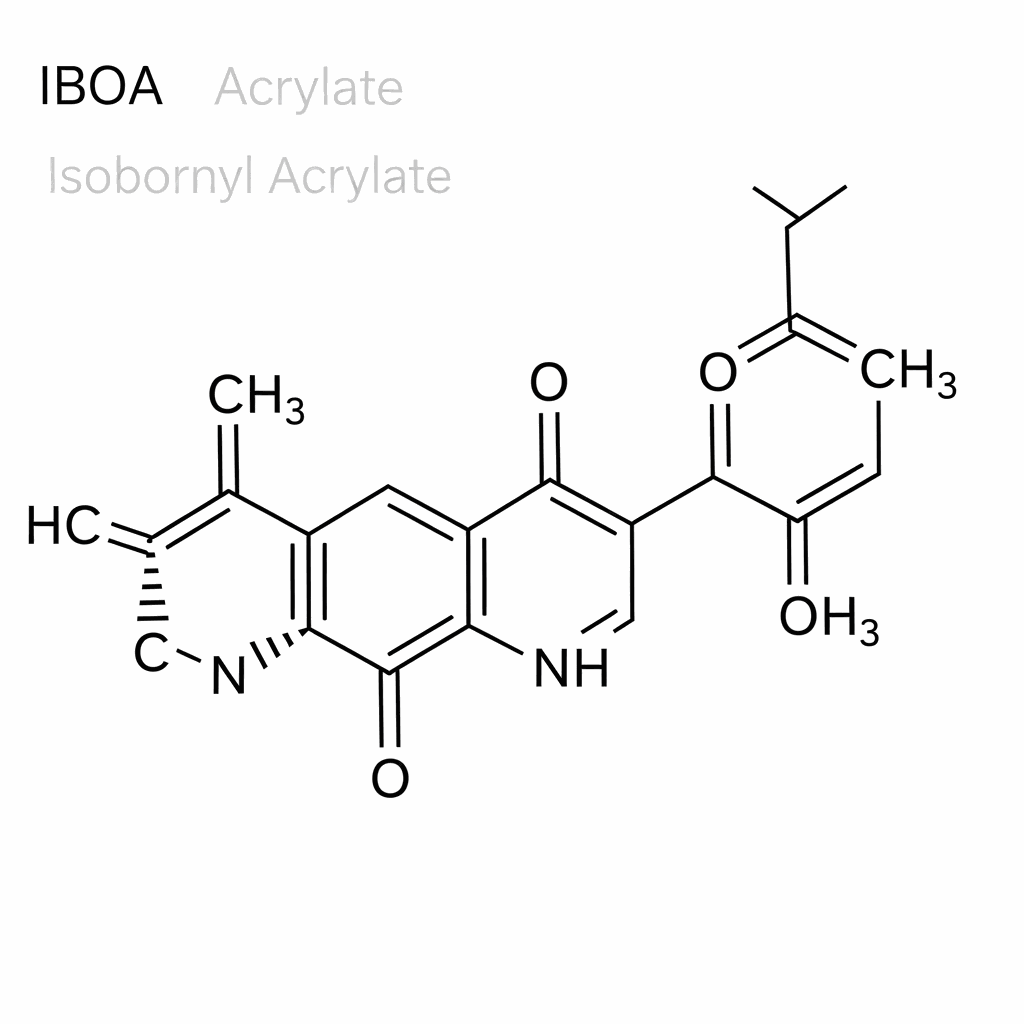
Isobornyl Acrylate, commonly abbreviated as IBOA, is a monofunctional monomer characterized by its unique bridged bicyclic structure derived from natural camphor. This high-purity clear liquid belongs to the acrylate ester family and is widely utilized in radiation-curing technologies. Its chemical structure features a bulky isobornyl group which provides exceptional rigidity and a high glass transition temperature to the resulting polymers. Despite its high molecular weight relative to other acrylic monomers, IBOA maintains a remarkably low viscosity, making it an efficient reactive diluent in UV and electron beam curable formulations. The monomer exhibits low volatility and a high boiling point, enhancing safety during industrial processing. Chemically, it undergoes rapid free-radical polymerization when exposed to ultraviolet light in the presence of photoinitiators. This versatility stems from its ability to balance hardness and flexibility while offering excellent weatherability, water resistance, and chemical stability, positioning IBOA as a critical component in advanced material science.
Attributes

Key Features and Benefits

  • High Glass Transition Temperature: The rigid bicyclic isobornyl structure contributes to a Tg of approximately 90 degrees Celsius, ensuring structural integrity in finished polymers.
  • Exceptional Dilution Power: Despite its bulky side chain, it exhibits low viscosity (under 10 mPa.s), serving as an effective reactive diluent for oligomers.
  • Superior Weathering Resistance: Provides excellent UV stability and moisture resistance, preventing yellowing and degradation in harsh outdoor environmental conditions over long-term exposure.
  • Enhanced Substrate Adhesion: Improves bonding characteristics on difficult substrates including plastics, metals, and glass, facilitating robust coating and adhesive performance.
  • Low Volatility: Features a high boiling point and low vapor pressure, reducing emissions and odor during the curing process.
Specifications

Technical Highlights

  • Chemical Formula and Identity: C13H20O2 with a molecular weight of 208.3 grams per mole, identified by CAS Registry Number 5888-33-5.
  • Viscosity and Density: Typically measures 5 to 10 mPa.s at 25 degrees Celsius, with a density ranging from 0.98 to 1.00 g/cm3.
  • Purity and Appearance: Marketed as a clear, colorless to pale yellow liquid with a minimum purity of 98 percent by gas chromatography.
  • Refractive Index: Exhibits a refractive index of approximately 1.472 to 1.476 at 20 degrees Celsius, relevant for optical coating applications.
  • Flash Point and Safety: Possesses a high flash point of approximately 100 degrees Celsius, necessitating standard flammable liquid handling protocols.

Download Technical Data Sheet (TDS)

Practical industry uses

Applications

  • UV-Curable Coatings: Extensively used in topcoats for automotive parts, plastics, and wood to provide scratch resistance and high-gloss finishes.
  • High-Performance Adhesives: Incorporated into structural and pressure-sensitive adhesives to enhance shear strength and thermal stability across various assembly processes.
  • 3D Printing Resins: Acts as a primary monomer in stereolithography (SLA) and digital light processing (DLP) resins for rigid, high-resolution prototypes.
  • Printing Inks: Formulated into screen, flexo, and inkjet inks to improve pigment wetting and ensure fast curing on non-porous substrates.
  • Optical Materials: Utilized in the production of contact lenses and fiber optic coatings due to its transparency and refractive index control.
Key Sectors

Target Industries

Discover more

Related products

Key Sectors

We’re Here to Support Your Chemical Sourcing Needs

Have a question or need a quote? Our team is here to help with product details, pricing, and global delivery options.

Send a message to us

Your email address will not be published. Required fields are marked *