Isobutyl-Isobutyrate (IBIB)
Glycol Ethers, High-Purity Solvents

Isobutyl-Isobutyrate (IBIB)

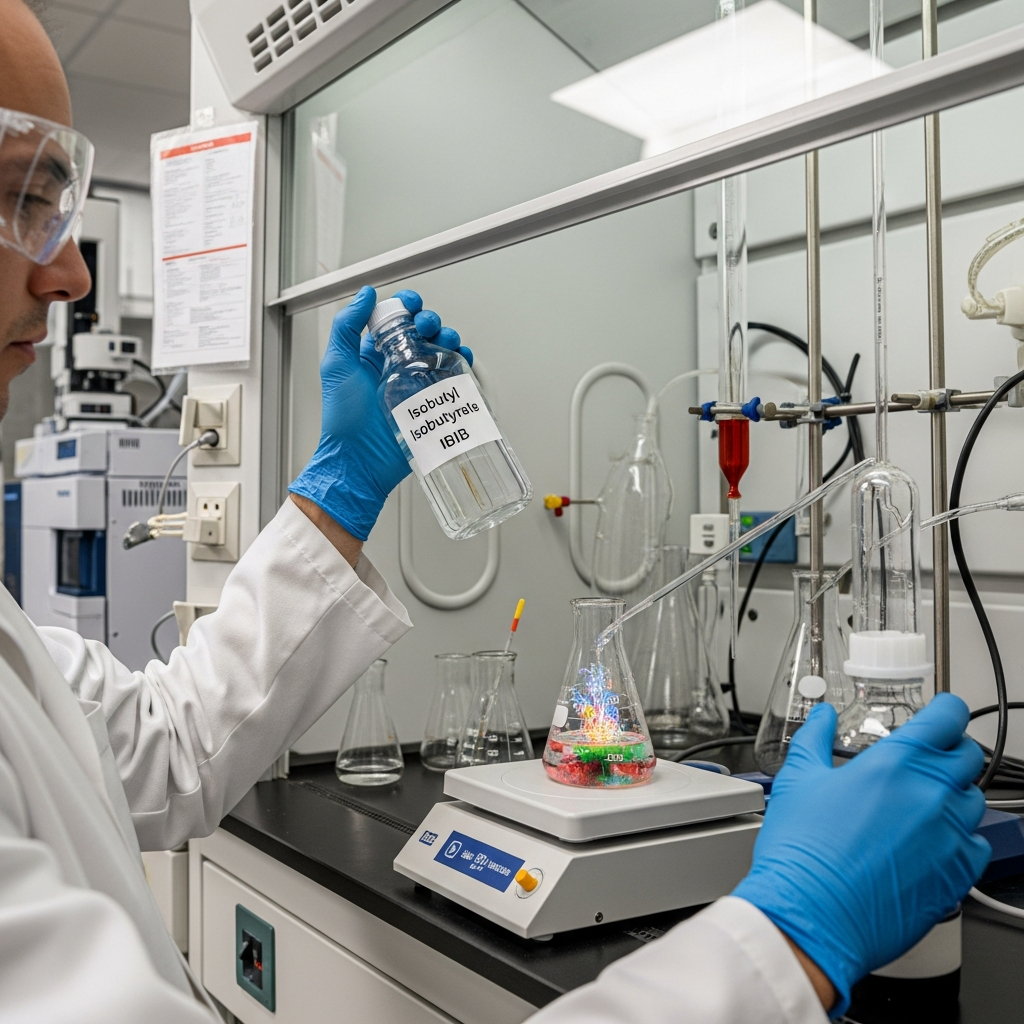
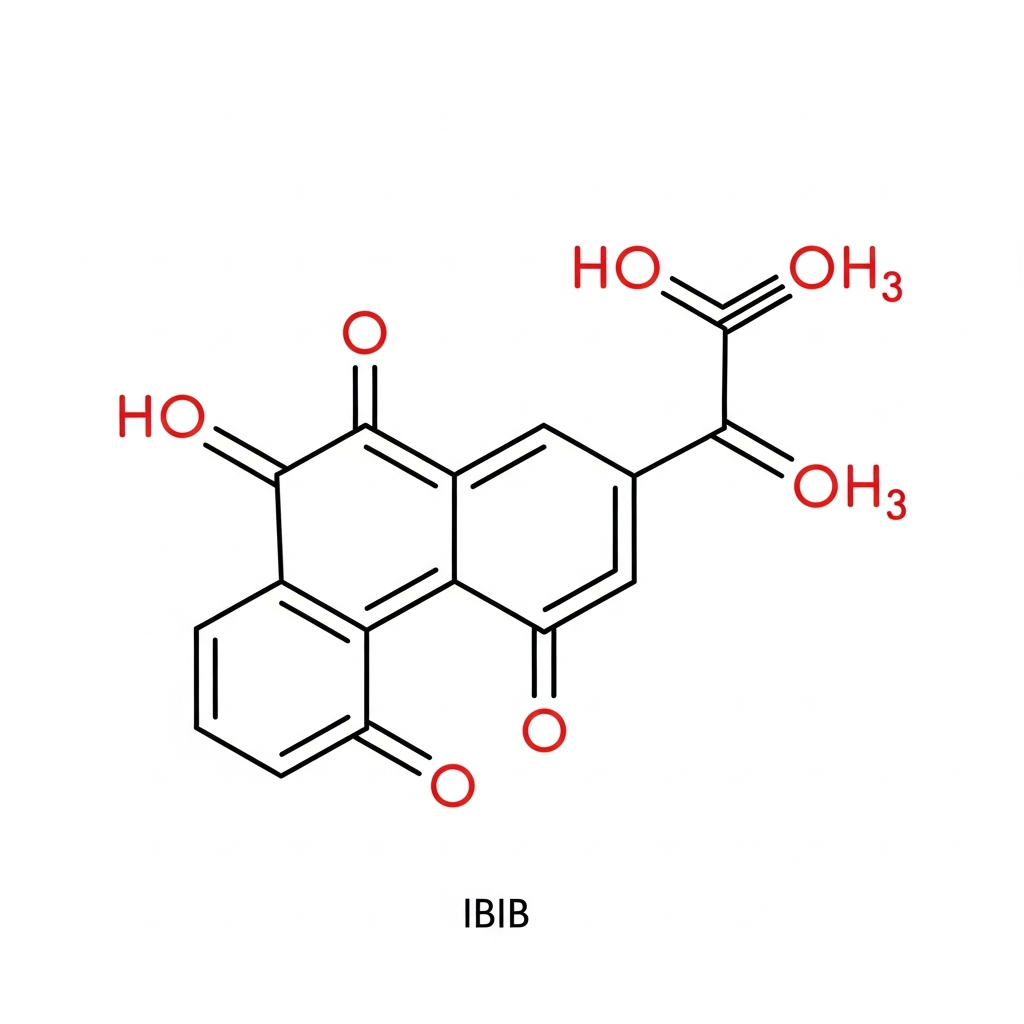
Isobutyl Isobutyrate (IBIB), identified by CAS Number 97-85-8, is a high-boiling, slow-evaporating ester solvent characterized by its clear, colorless appearance and a distinctively sweet, fruity odor reminiscent of pineapple or apple. Chemically, it is the esterification product of isobutyl alcohol and isobutyric acid (C8H16O2). In the industrial chemical landscape, IBIB is highly valued as a “retarder” solvent, primarily due to its ability to control the drying rate of coatings and improve the final film properties.

Unlike many volatile organic compounds (VOCs) that evaporate rapidly, IBIB’s moderate volatility allows for superior flow and leveling in high-performance resin systems, such as nitrocellulose and acrylics. Its hydrophobic nature and low surface tension make it an essential component in moisture-sensitive applications. Furthermore, IBIB is recognized for its favorable toxicological profile; it is often utilized in the flavor and fragrance industry as a food-grade additive (FEMA 2189), demonstrating its versatility across both heavy industrial and fine chemical sectors.

Attributes

Key Features and Benefits

  • Superior Flow and Leveling: Its slow evaporation rate facilitates the formation of smooth, high-gloss surfaces by allowing the coating to remain “open” longer.
  • High Hydrophobicity: It exhibits very low water solubility, which enhances the moisture resistance of cured films and prevents “blushing” in humid environments.
  • Excellent Resin Solvency: IBIB effectively dissolves a wide range of resins, including nitrocellulose, acrylics, vinyls, and alkyds, ensuring formulation stability.
  • Surface Tension Reduction: The low surface tension of the liquid aids in substrate wetting and reduces surface defects like orange peel or pinholing.
  • Cost-Effective Performance: It serves as an economical alternative to more expensive high-boiling glycol ethers or ketones.
  • Safety Profile: Compared to other esters, it has a lower toxicity profile and is readily biodegradable.
Specifications

Technical Highlights

  • Chemical Formula: (CH3)2CHCOOCH2CH(CH3)2
  • Molecular Weight: 144.21 g/mol
  • Boiling Point: 147°C to 151°C (at 760 mmHg)
  • Flash Point: 37°C to 38°C (Closed Cup), classifying it as a flammable liquid (GHS Category 3).
  • Evaporation Rate: 0.43 (n-Butyl Acetate = 1), making it significantly slower than standard acetates.
  • Density: 0.850–0.855 g/cm³ at 20°C.
  • Refractive Index: 1.399–1.401 at 20°C.
  • Vapor Pressure: Approximately 3.3 hPa at 20°C.
  • Solubility: Miscible with most organic solvents; solubility in water is approximately 0.5 g/L at 20°C.

Download Technical Data Sheet (TDS)

Practical industry uses

Applications

  • Electrical and electronics
  • Connectors, switches, PCB housings, terminal blocks
  • Automotive
  • Under-hood components, interior assemblies, cable conduits
  • Wire and cable
  • Insulation layers, sheathing, jacketing materials
  • Construction
  • Plastic fittings, conduits, insulation panels
  • Consumer appliances
  • Enclosures, adapters, plugs, casings
  • Industrial components
  • Fiber-reinforced composites, flame-retardant masterbatches
  • Compatible polymers
  • PA6, PA66
  • PBT, PET
  • PE, PP
  • Blends and copolymers requiring halogen-free flame retardancy
Key Sectors

Target Industries

Discover more

Related products

Key Sectors

We’re Here to Support Your Chemical Sourcing Needs

Have a question or need a quote? Our team is here to help with product details, pricing, and global delivery options.

Send a message to us

Your email address will not be published. Required fields are marked *