Lauryl Alcohol (Dodecanol)
Alcohol

Lauryl Alcohol (Dodecanol)

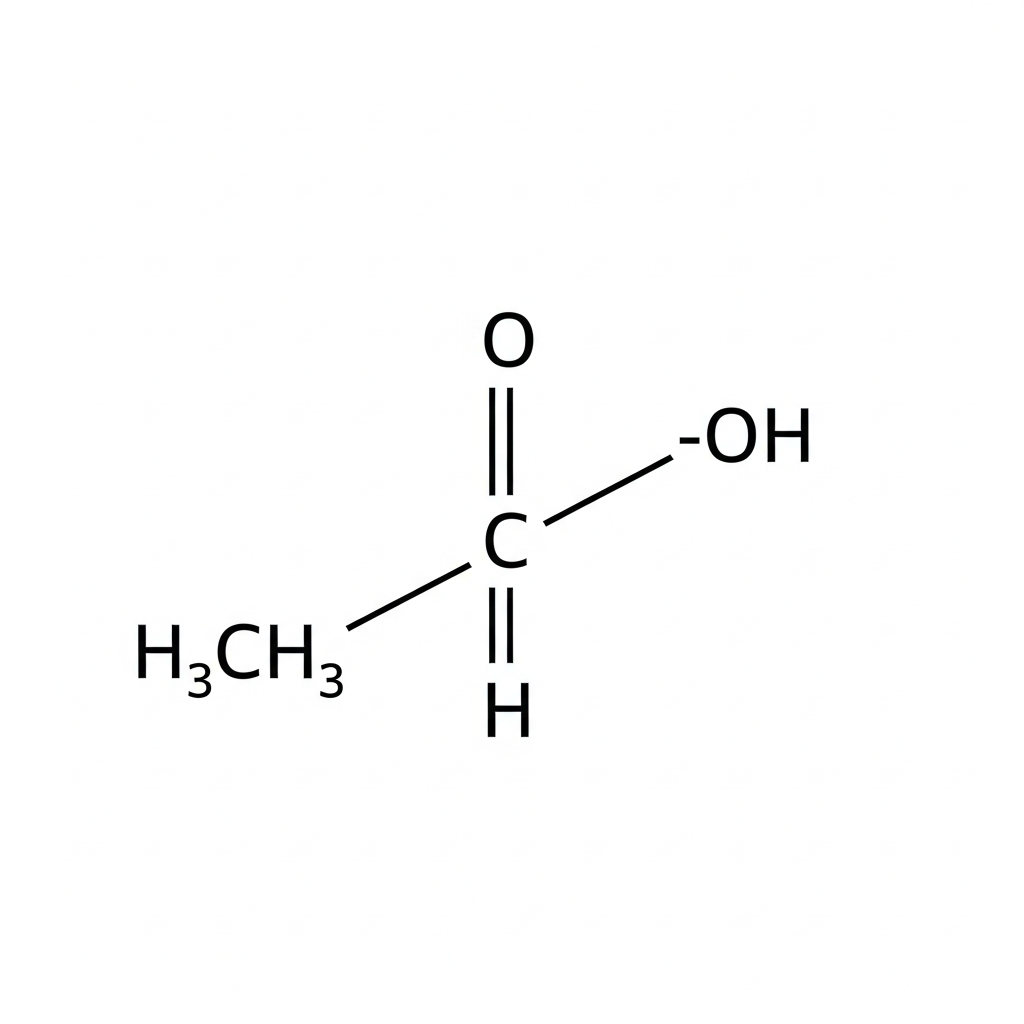
Lauryl alcohol, systematically known as 1-dodecanol, is a linear, long-chain primary fatty alcohol with the molecular formula $C_{12}H_{26}O$. It is primarily derived from natural fats and oils, specifically coconut or palm kernel oil, through the high-pressure hydrogenation of methyl esters or fatty acids. Alternatively, it can be produced synthetically via the Ziegler process using ethylene. At room temperature, it exists as a waxy, white solid or a clear, colorless liquid, as its melting point is approximately 24°C (75°F). It possesses a faint, characteristic fatty or floral odor.

As a fundamental chemical intermediate, dodecanol is indispensable in the surfactant industry, serving as the essential precursor for the synthesis of sodium lauryl sulfate (SLS) and sodium laureth sulfate (SLES). Its inherent hydrophobicity, coupled with its excellent biodegradability, makes it a preferred choice for green chemistry formulations in personal care, home care, and diverse industrial sectors.

Attributes

Key Features and Benefits

* A versatile chemical intermediate for diverse industrial applications.
* Guarantees high product consistency with excellent purity levels.
* Offers superior stability, resisting oxidation and degradation.
* Functions effectively as an emulsifier and co-emulsifier in formulations.
* Enhances product aesthetics and texture as an emollient and thickener.
* Boosts lathering and foaming properties in personal care items.
* Ideal for use in cosmetics, pharmaceuticals, and specialty chemicals.
* Presents as a clear, colorless liquid, ensuring visual product integrity.

Specifications

Technical Highlights

* Appearance: Colorless liquid or white paste
* Odor: Characteristic
* Color (APHA): ≤10
* Hydroxyl Value (mg KOH/g): 295 – 305
* Acid Value (mg KOH/g): ≤0.1
* Saponification Value (mg KOH/g): ≤0.5
* Iodine Value (g I2/100g): ≤0.3
* Moisture (%): ≤0.1
* Specific Gravity (20/4℃): 0.830 – 0.835
* Boiling Point (℃): 250 – 260

Download Technical Data Sheet (TDS)

Practical industry uses

Applications

* **Surfactant Production:** Serves as a primary raw material in the synthesis of various surfactants, which are crucial for cleaning and foaming in many products.
* **Detergents and Soaps:** A key ingredient in the formulation of detergents and soaps, contributing to their effective cleansing capabilities.
* **Personal Care Products:** Utilized in shampoos, conditioners, lotions, and creams where it functions as an emollient, emulsifier, or thickener.
* **Emulsifying Agent:** Acts as an effective emulsifier, helping to stabilize mixtures of immiscible liquids in cosmetic and industrial applications.
* **Skin Conditioning:** Provides emollient properties in skincare products, enhancing the softness and smoothness of the skin.
* **Viscosity Modification:** Functions as a thickener in various formulations, helping to achieve desired product consistency and texture.

Key Sectors

Target Industries

Discover more

Related products

Key Sectors

We’re Here to Support Your Chemical Sourcing Needs

Have a question or need a quote? Our team is here to help with product details, pricing, and global delivery options.

Send a message to us

Your email address will not be published. Required fields are marked *