High-Purity Solvents, Polyurethane (PU) and Resin

Maleic Anhydride (MA)

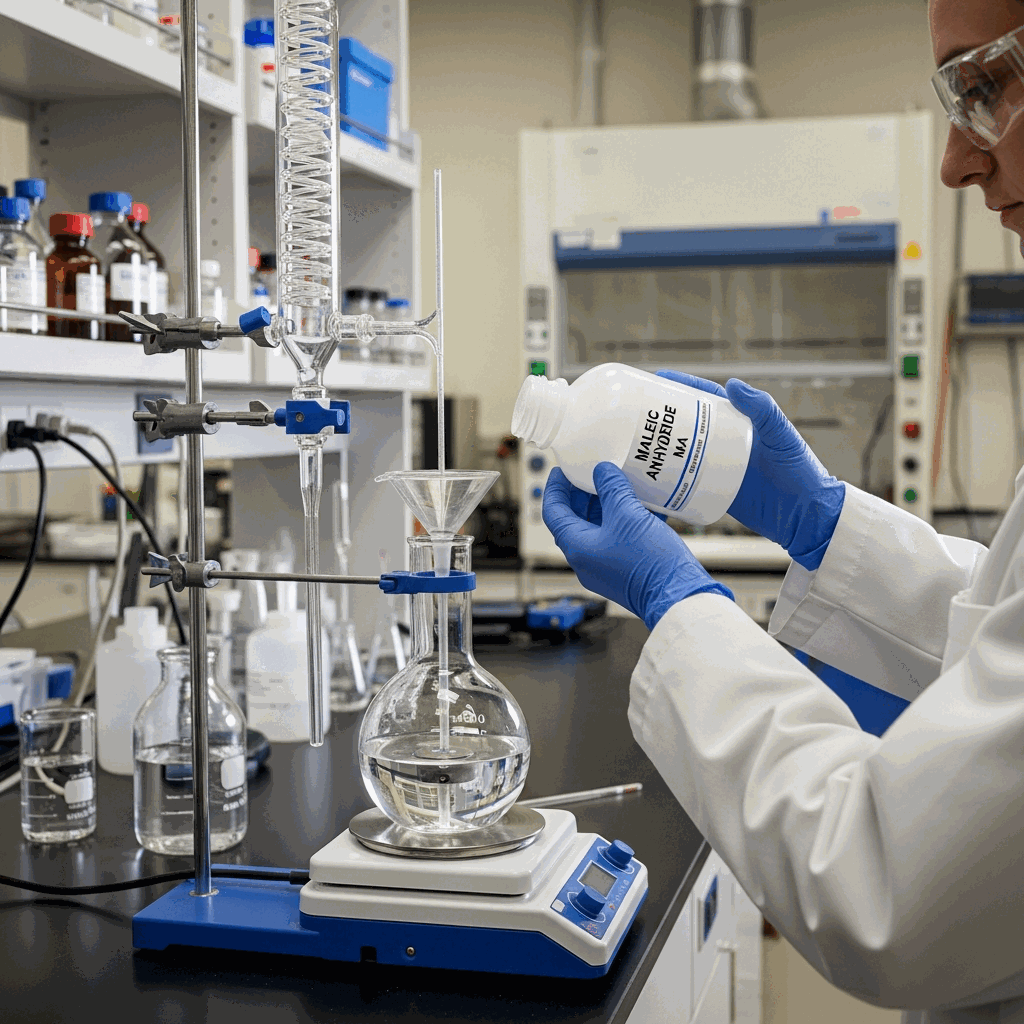
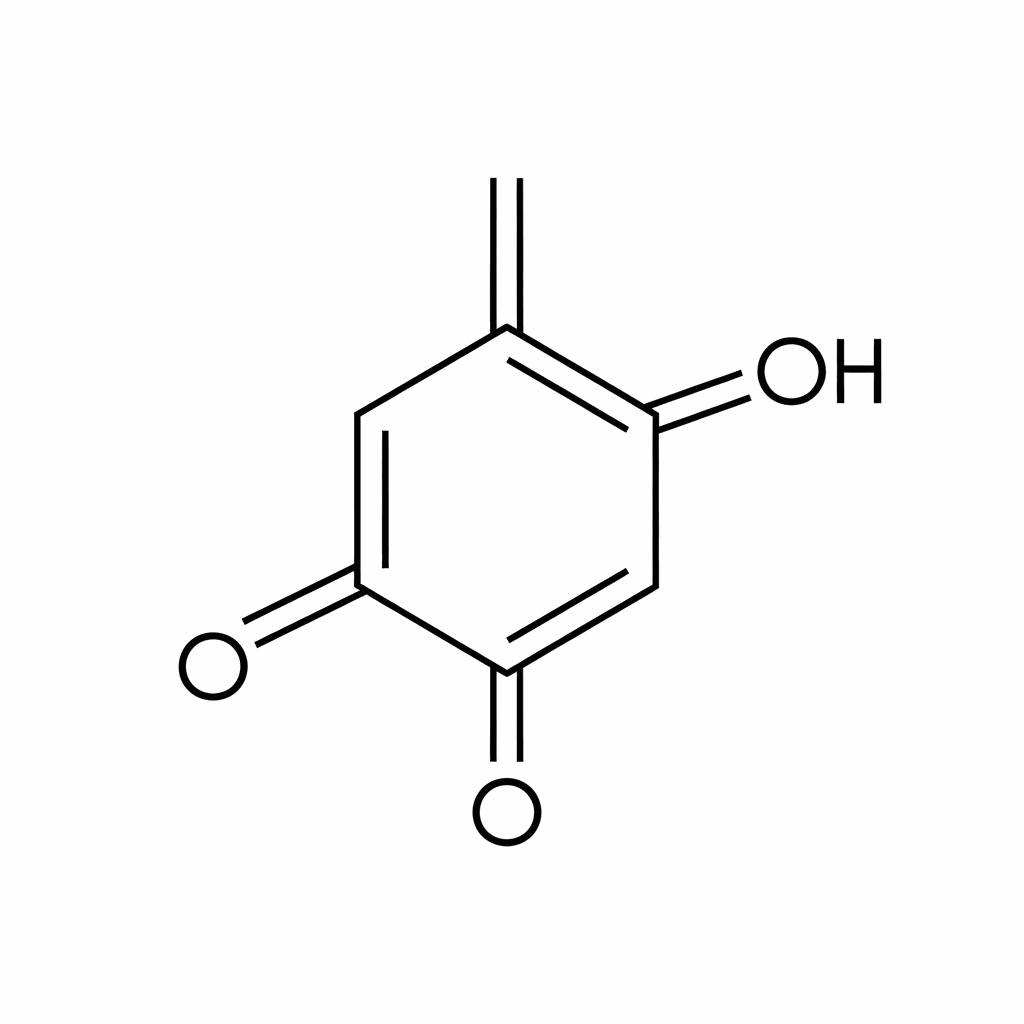
Maleic Anhydride (CAS No. 108-31-6) is a highly reactive, multifunctional chemical intermediate essential to the global petrochemical and polymer industries. Chemically, it is the acid anhydride of maleic acid, characterized by a cyclic structure containing a reactive double bond and two carbonyl groups. It is primarily produced through the catalytic vapor-phase oxidation of n-butane, although benzene oxidation remains a legacy production route in certain regions.

At ambient temperatures, maleic anhydride exists as a white crystalline solid (often supplied in briquettes or pastilles) or as a colorless molten liquid, possessing a characteristic acrid odor. Its unique chemical profile allows it to undergo a wide array of reactions, including Diels-Alder cycloadditions, esterification, and free-radical polymerization. This versatility makes it a foundational building block for unsaturated polyester resins (UPRs), which are critical in the construction, marine, and automotive sectors. Due to its hygroscopic nature, it reacts readily with atmospheric moisture to form maleic acid, requiring specialized handling and dry storage conditions.

Attributes

Key Features and Benefits

  • Dual Reactivity: Features both an olefinic double bond and an anhydride functional group, allowing for complex chemical synthesis and copolymerization.
  • High Purity Grade: Industrial production yields high-purity material, ensuring consistent reaction yields and minimizing side-product formation in downstream processes.
  • Thermal Stability: Imparts superior thermal and mechanical stability to the polymers and resins in which it is incorporated.
  • Versatile Physical Forms: Available in molten form for large-scale industrial piping or solid briquettes for easier handling and dosage in batch processes.
  • Enhanced Adhesion: Promotes excellent bonding properties when used in sizing agents and surface coatings.
Specifications

Technical Highlights

  • Molecular Profile: Formula: C4H2O3; Molecular Weight: 98.06 g/mol.
  • Phase Transitions: Melting point of 52.8°C (127°F) and a boiling point of 202°C (395.6°F).
  • Solubility: Highly soluble in water (reacts), acetone, ethyl acetate, and chloroform; moderately soluble in hydrocarbons.
  • Vapor Pressure: Low volatility at room temperature (0.16 mmHg at 25°C), but sublimes easily.
  • Safety and Handling: Classified as a corrosive and a skin/respiratory sensitizer. It requires specialized storage in stainless steel or lined carbon steel tanks to prevent contamination and corrosion.
  • Acidity: Hydrolyzes rapidly in the presence of water to form a strong dicarboxylic acid.

Download Technical Data Sheet (TDS)

Practical industry uses

Applications

  • Unsaturated Polyester Resins (UPR): The primary feedstock for fiberglass-reinforced plastics used in wind turbine blades, boat hulls, and construction panels.
  • Lubricant Additives: Utilized in the synthesis of succinimides and dispersants to improve engine oil performance and prevent sludge buildup.
  • Food Industry: Precursor for the production of malic acid and fumaric acid, which serve as acidulants in beverages and food preservation.
  • Agrochemicals: Used in the manufacture of pesticides, herbicides, and plant growth regulators.
  • Copolymers: Essential for producing Styrene-Maleic Anhydride (SMA) resins, which offer high heat resistance for automotive instrument panels.
  • Paper Chemicals: Used in paper sizing agents to improve water resistance and printing quality.
Key Sectors

Target Industries

Discover more

Related products

Key Sectors

We’re Here to Support Your Chemical Sourcing Needs

Have a question or need a quote? Our team is here to help with product details, pricing, and global delivery options.

Send a message to us

Your email address will not be published. Required fields are marked *