Electro Plating, High-Purity Solvents

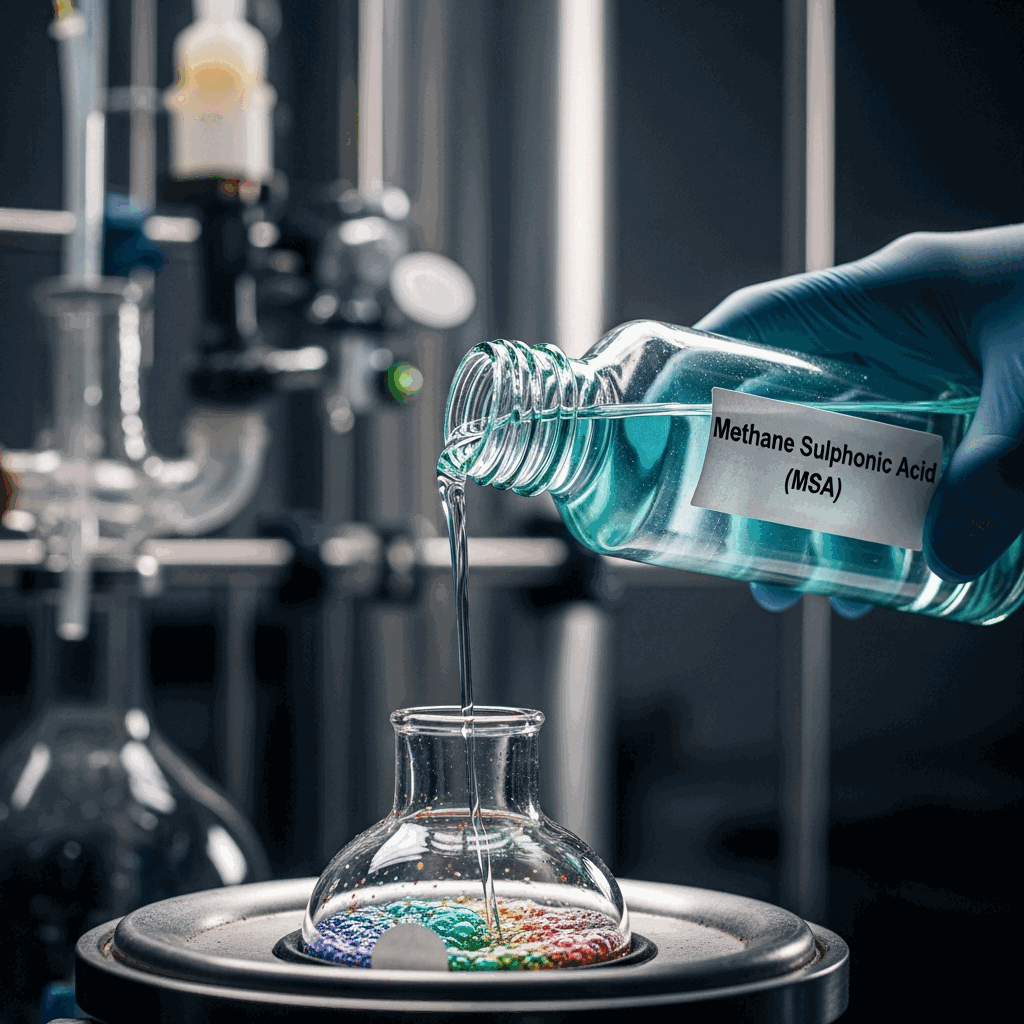
Methane Sulphonic Acid (MSA)

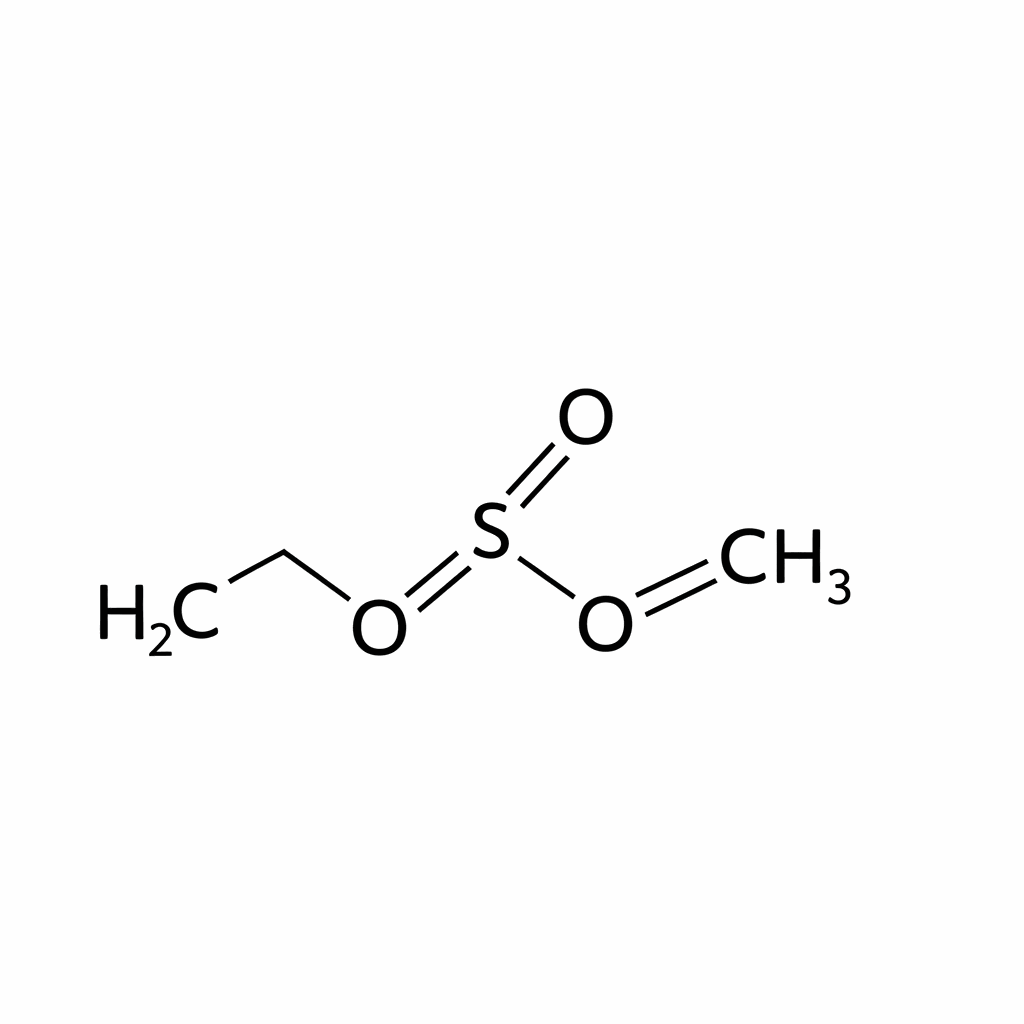
Methane Sulphonic Acid, also known by the CAS number 75-75-2, is an alkanesulphonic acid that serves as a powerful liquid catalyst and intermediate in diverse chemical syntheses. Characterized by its strong acidity and high thermal stability, MSA offers a safer, more environmentally friendly alternative to traditional mineral acids like sulphuric or hydrofluoric acid. Its unique molecular structure consists of a methyl group bonded directly to a sulphonic acid moiety, providing high reactivity while remaining non-oxidizing in nature. In industrial settings, MSA is prized for its low volatility and high solubility in water and various organic solvents, making it highly versatile for metal finishing, polymer manufacturing, and pharmaceutical synthesis. Unlike sulphuric acid, MSA does not char organic materials, facilitating cleaner reactions and higher yields. As industries shift towards greener chemistry, MSA’s biodegradability and low toxicity profile position it as a primary choice for sustainable development across chemical manufacturing and electroplating sectors.
Attributes

Key Features and Benefits

  • Exhibits high acid strength for rapid catalytic performance.
  • Non-oxidizing nature prevents unwanted side reactions and charring.
  • Biodegradable profile ensures compliance with environmental regulations.
  • Low volatility reduces inhalation risks in industrial environments.
  • Excellent thermal stability allows for high-temperature reaction conditions.
  • Highly soluble in water and polar organic solvents.
  • Reduced corrosive impact on specific metallic substrates compared to mineral acids.
  • Simplifies wastewater treatment due to its organic salt formation.
  • Enhances product purity and improves overall process yields.
  • Safer handling characteristics improve workplace safety standards for technical personnel. It provides significant cost-efficiency by lowering waste and enhancing the longevity of chemical processing equipment.
Specifications

Technical Highlights

  • Molecular weight is 96.11 g/mol with a density of 1.48 g/cm³.
  • Boiling point occurs at 167 degrees Celsius under reduced pressure.
  • Strong pKa value of approximately -1.9 ensures complete dissociation.
  • Exhibits a high flash point of 189 degrees Celsius for safety.
  • Refractive index typically measures 1.43 at standard temperature.
  • Vapor pressure remains exceptionally low at 0.0005 mmHg at 25°C.
  • Miscibility extends across alcohols, ethers, and many carboxylic acids.
  • Resistant to oxidation and thermal decomposition up to high temperatures.
  • Low viscosity facilitates easy dosing and mixing in automated systems.
  • Available in various concentrations including high-purity anhydrous grades for specialized industrial requirements

Download Technical Data Sheet (TDS)

Practical industry uses

Applications

  • Primary electrolyte for tin, lead, and noble metal electroplating.
  • Effective esterification catalyst for producing plasticizers and fragrances.
  • Key intermediate in the synthesis of pharmaceuticals and agrochemicals.
  • Utilized in industrial cleaning for scale removal and descaling operations.
  • Serves as a polymerization catalyst in producing high-performance resins.
  • Applied in biodiesel production for the transesterification of fatty acids.
  • Used in oilfield chemicals for well stimulation and acidizing.
  • Acts as a dehydrating agent in organic synthesis pathways.
  • Employed in battery technologies for lead-acid and redox flow systems.
  • Ingredient in specialized rust removers and metal surface treatments. It also plays a role in textile processing.
Key Sectors

Target Industries

Discover more

Related products

Key Sectors

We’re Here to Support Your Chemical Sourcing Needs

Have a question or need a quote? Our team is here to help with product details, pricing, and global delivery options.

Send a message to us

Your email address will not be published. Required fields are marked *