Acrylates, High-Purity Solvents

Methyl Acrylate (MA)

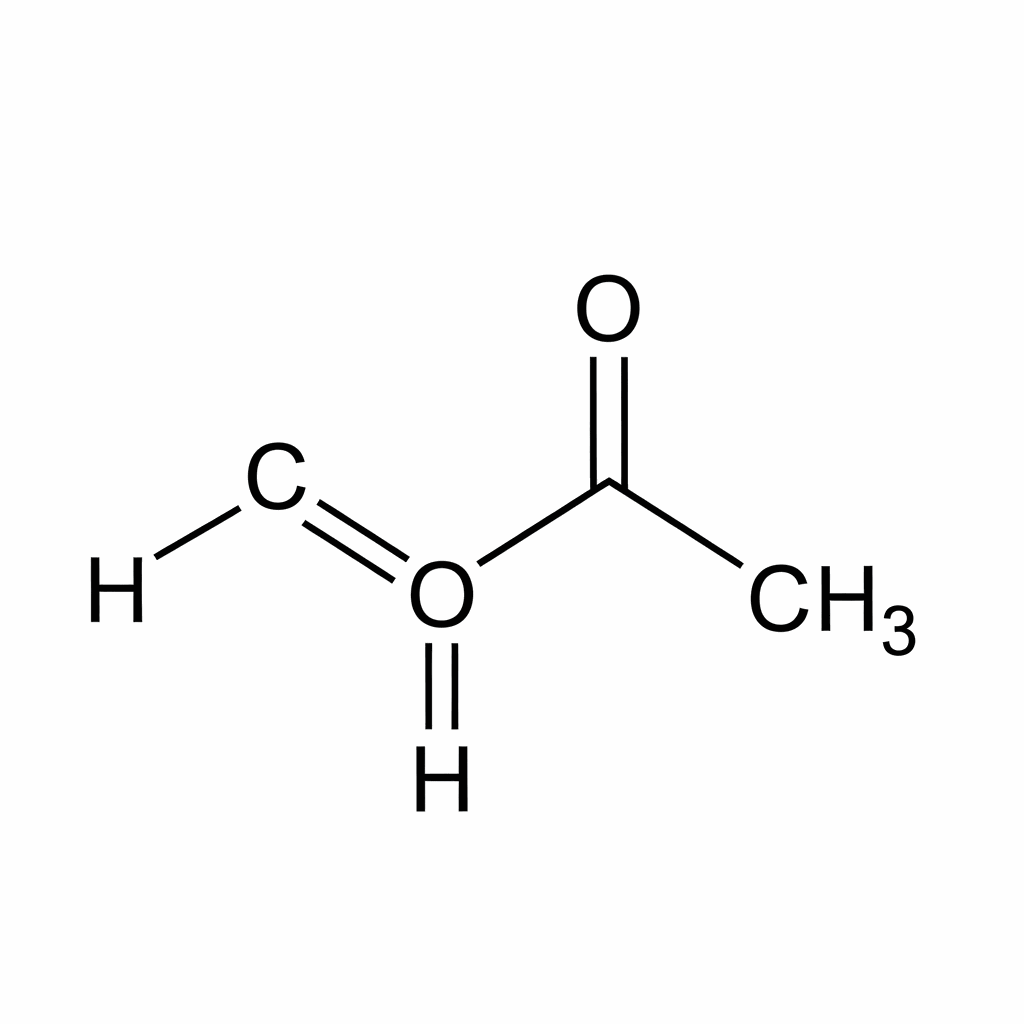
Methyl acrylate is a clear, colorless, volatile liquid with a characteristic acrid odor. This organic compound, represented by the chemical formula C4H6O2, is the methyl ester of acrylic acid. It belongs to the acrylate ester family and serves as a vital monomer in polymer chemistry. Due to its unsaturated structure, it readily undergoes radical polymerization to form homopolymers and copolymers with other vinyl monomers. It is miscible in many organic solvents but shows limited solubility in water. Commercially, it is produced primarily via the oxidation of propylene to acrolein and then to acrylic acid, followed by esterification with methanol. As a highly reactive chemical, it is typically stabilized with inhibitors like hydroquinone monomethyl ether to prevent spontaneous polymerization during storage or transport. Its versatile reactivity makes it an essential building block for synthesizing various high-performance materials, including specialty resins, adhesives, and textile fibers used widely across multiple industrial sectors globally.
Attributes

Key Features and Benefits

  • High Reactivity: The vinyl double bond allows for rapid polymerization, facilitating the production of diverse high-molecular-weight chains.
  • Versatile Copolymerization: Easily combines with acrylonitrile, styrene, and vinyl acetate to modify physical properties like flexibility and glass transition temperature.
  • Transparency and Clarity: Polymers derived from methyl acrylate exhibit excellent optical clarity, making them suitable for specialized coating applications.
  • Weathering Resistance: Provides enhanced resistance to ultraviolet radiation and oxidative degradation when incorporated into outdoor-grade acrylic resin formulations.
  • Solvent Compatibility: Acts as an effective monomeric solvent in specific systems, ensuring uniform dispersion of reactants before the polymerization phase.
Specifications

Technical Highlights

  • Molecular Specifications: Possesses a molecular weight of 86.09 g/mol and a boiling point of approximately 80 degrees Celsius at atmospheric pressure.
  • Density and State: Maintains a liquid density of 0.956 g/cm3 at 20 degrees Celsius, appearing as a colorless, volatile fluid.
  • Flash Point: Classified as a highly flammable liquid with a low flash point of -3 degrees Celsius (closed cup method).
  • Vapor Pressure: Exhibits a significant vapor pressure of 92 hPa at 20 degrees Celsius, requiring airtight storage to minimize loss.
  • Purity and Inhibition: Typically supplied at 99.5% minimum purity, stabilized with 10-20 ppm MEHQ to ensure shelf-life stability.

Download Technical Data Sheet (TDS)

Practical industry uses

Applications

  • Textile Industry: Used extensively in the manufacture of polyacrylonitrile fibers, improving the dyeability and overall texture of synthetic fabrics.
  • Adhesive Formulations: Essential for producing pressure-sensitive adhesives, offering superior tackiness and bond strength for tapes, labels, and industrial sealants.
  • Coating Materials: Serves as a primary component in water-borne and solvent-borne coatings, providing gloss, durability, and moisture resistance.
  • Leather Processing: Utilized in finishing agents for leather, enhancing the surface quality, feel, and abrasion resistance of the final product.
  • Chemical Intermediate: Acts as a precursor for the synthesis of vitamin B1 and other pharmaceutical intermediates through various nucleophilic additions.
Key Sectors

Target Industries

Discover more

Related products

Key Sectors

We’re Here to Support Your Chemical Sourcing Needs

Have a question or need a quote? Our team is here to help with product details, pricing, and global delivery options.

Send a message to us

Your email address will not be published. Required fields are marked *