High-Purity Solvents, Ketones

Methyl Propyl Ketone (MPK)

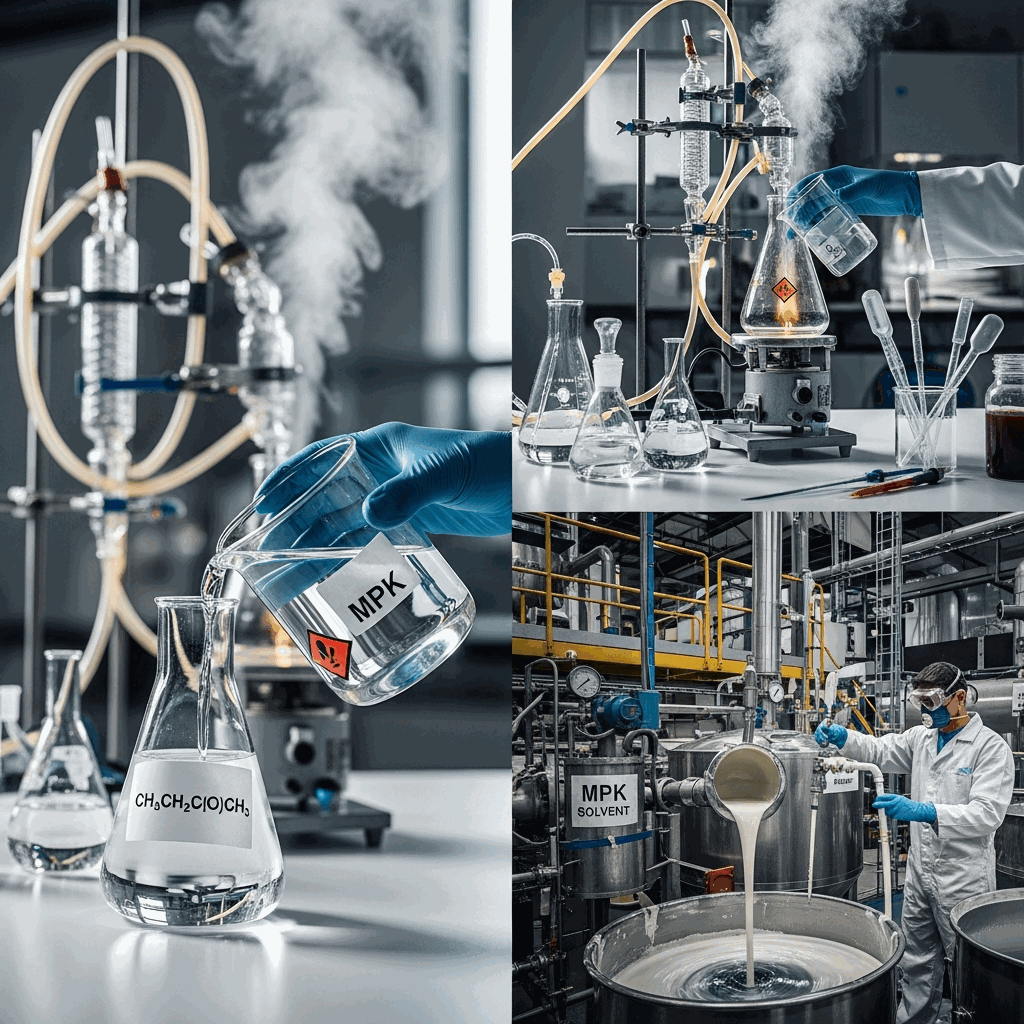
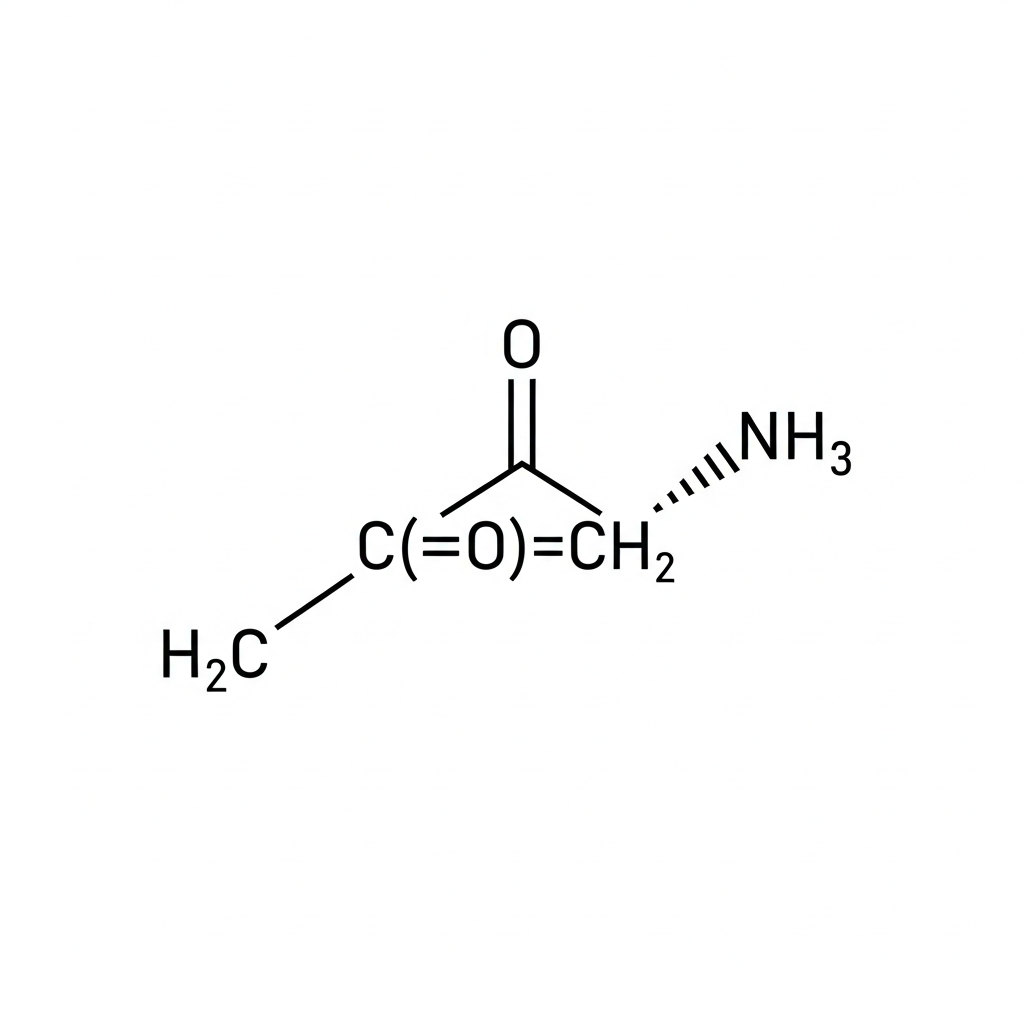
Methyl Propyl Ketone, scientifically known as 2-pentanone or MPK, is a colorless, liquid ketone with an odor reminiscent of acetone and ether. It is a medium-evaporating solvent characterized by its excellent solvency and relatively low density. As a chemical intermediate and a functional solvent, MPK plays a vital role across various industrial sectors, particularly in coatings and cleaning applications. It is often utilized as a replacement for Methyl Ethyl Ketone (MEK) in formulations where a slightly slower evaporation rate is required to improve flow and leveling during application. The compound is partially soluble in water but miscible with most organic solvents, making it highly versatile for complex chemical blending. Its lower volatility compared to lighter ketones reduces vapor emissions, contributing to safer handling environments. Overall, Methyl Propyl Ketone serves as an efficient, reliable component in the production of high-quality paints, resins, and specialized industrial cleaners that are distributed extensively worldwide.
Attributes

Key Features and Benefits

  • Excellent solvency for various synthetic resins and polymers.
  • Medium evaporation rate improves surface leveling and finish.
  • Lower density compared to chlorinated solvents reduces weight.
  • Lower hazardous air pollutant (HAP) profile than some alternatives.
  • High flash point relative to acetone improves safety handling.
  • Miscibility with common organic solvents facilitates easy blending.
  • Stable chemical structure ensures shelf-life consistency in products.
  • Effective viscosity reduction in high-solids coating formulations.
  • Clear, colorless appearance maintains color integrity in applications.
  • Reliable performance as a chemical intermediate in synthesis.
Specifications

Technical Highlights

  • Molecular weight is approximately 86.13 grams per mole.
  • Boiling point sits at roughly 102 degrees Celsius.
  • Flash point of 7 degrees Celsius using closed-cup methods.
  • Specific gravity is 0.809 at 20 degrees Celsius temperature.
  • Vapor pressure measures approximately 27 mmHg at ambient conditions.
  • Refractive index is typically 1.389 for purity verification.
  • Solubility in water is limited to 4.3 grams per liter.
  • Viscosity is low at 0.5 mPa·s for easy pumping.
  • Evaporation rate is 2.3 relative to n-butyl acetate standard.
  • Auto-ignition temperature is approximately 452 degrees Celsius.

Download Technical Data Sheet (TDS)

Practical industry uses

Applications

  • Primary solvent in nitrocellulose and acrylic surface coatings.
  • Component in printing inks for high-quality graphic results.
  • Effective degreasing agent in metal cleaning and maintenance.
  • Intermediate in the synthesis of pharmaceuticals and pesticides.
  • Solvent for extraction processes in the flavoring industry.
  • Used in leather finishing agents for improved dye penetration.
  • Ingredient in automotive refinish products for smooth application.
  • Catalyst carrier for various industrial chemical reaction processes.
  • Formulating agent in wood stains and furniture wood lacquers.
  • Cleaning solvent for electronic components and precision instrument parts.
Key Sectors

Target Industries

Discover more

Related products

Key Sectors

We’re Here to Support Your Chemical Sourcing Needs

Have a question or need a quote? Our team is here to help with product details, pricing, and global delivery options.

Send a message to us

Your email address will not be published. Required fields are marked *