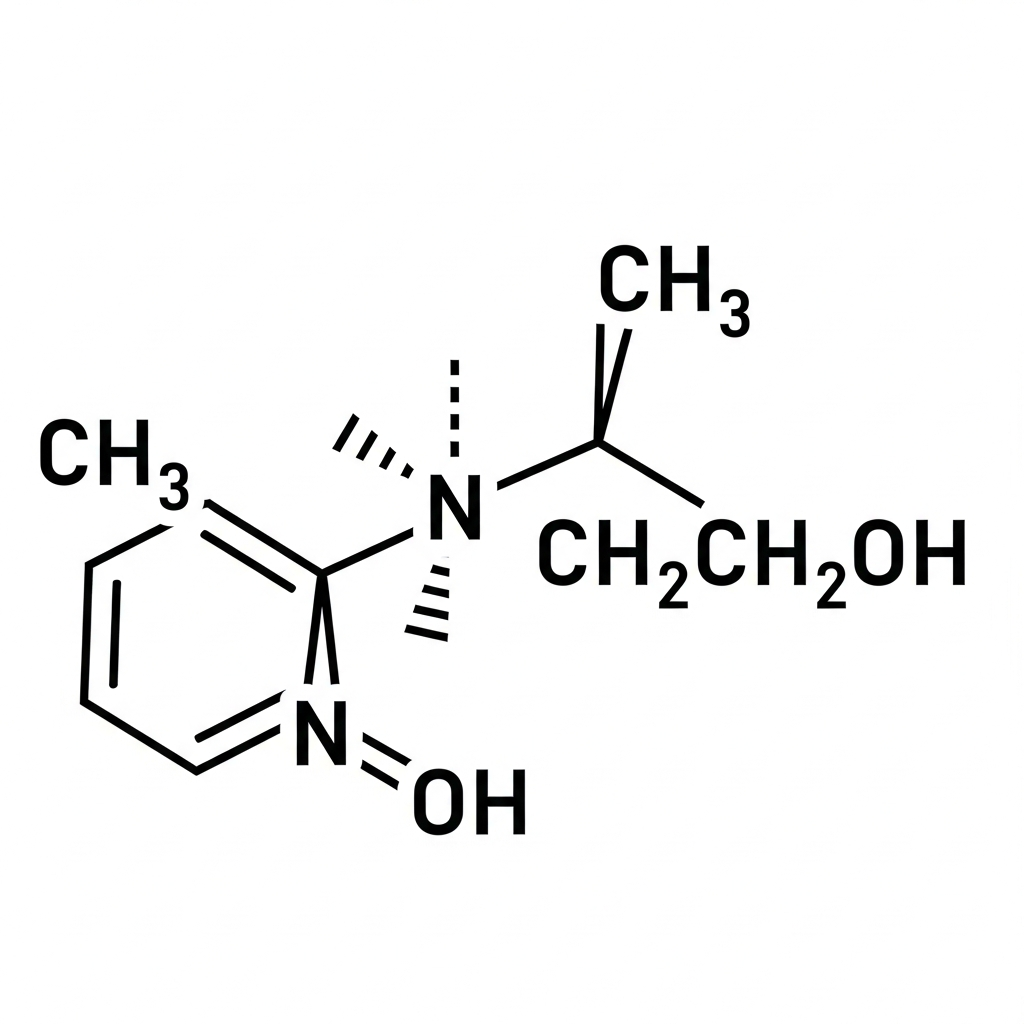
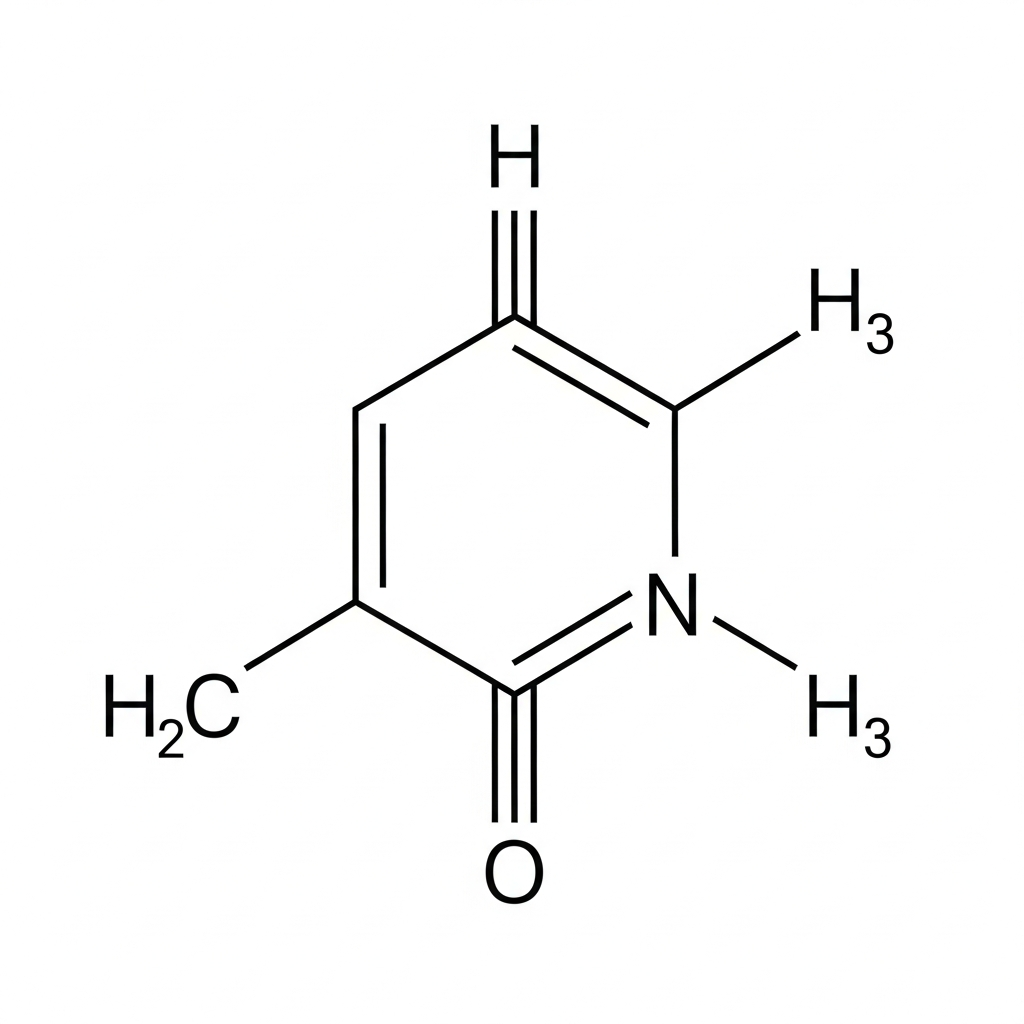
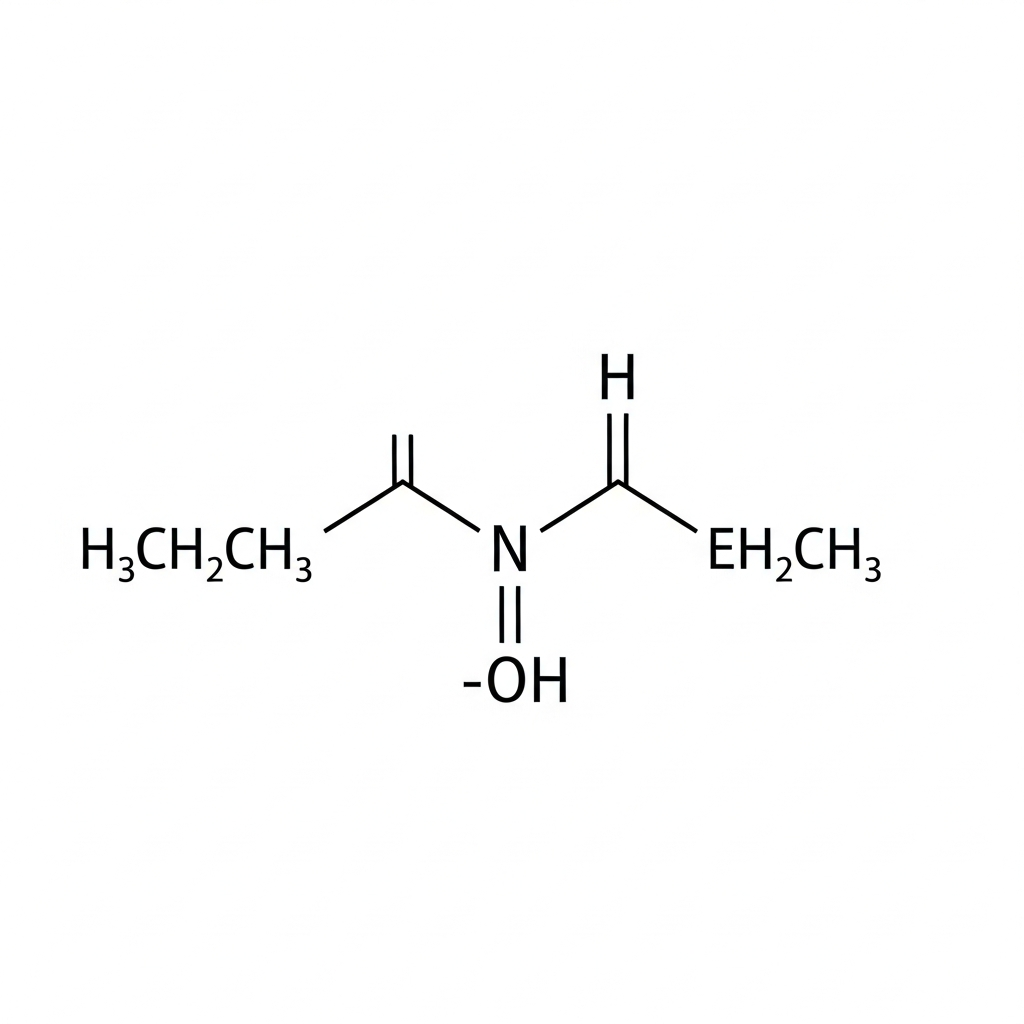
Methyldiethanolamine (MDEA), systematically known as 2,2′-(methylimino)diethanol, is a clear, colorless to pale yellow liquid tertiary alkanolamine with a characteristic ammoniacal odor. As a multifunctional chemical intermediate, MDEA is highly valued for its unique thermodynamic and kinetic properties. Unlike primary and secondary amines, MDEA is a tertiary amine, which prevents it from reacting directly with carbon dioxide ($CO_2$) to form carbamates. This specific chemical behavior allows MDEA to exhibit high selectivity for hydrogen sulfide ($H_2S$) in the presence of $CO_2$, making it the industry standard for “selective gas sweetening.”
In industrial settings, MDEA is widely utilized in aqueous solutions, often blended with other amines or additives (formulated MDEA) to tailor its performance. Its high thermal stability, low vapor pressure, and resistance to chemical degradation contribute to its operational longevity. Beyond gas treating, its tertiary amine structure serves as a critical building block in the synthesis of specialized polymers, surfactants, and pharmaceutical intermediates, balancing reactive hydroxyl groups with a stable nitrogen center.

* Offers highly selective absorption of hydrogen sulfide.
* Contributes to significant energy savings during regeneration.
* Reduces equipment corrosion in processing units.
* Minimizes operational fouling, improving system uptime.
* Versatile for gas sweetening, CO2 absorption, and chemical synthesis.
* Delivers high purity for consistent and reliable performance.
* Effectively absorbs a range of acid gases from process streams.
* Enhances overall system longevity and operational efficiency.
* **Chemical Name**: Methyldiethanolamine
* **CAS No.**: 105-59-9
* **Molecular Formula**: C5H13NO2
* **Appearance**: Colorless to pale yellow liquid
* **Purity (GC, % wt)**: ≥99.0
* **Water Content (% wt)**: ≤0.5
* **Density @ 20°C (g/cm³)**: 1.037 – 1.042
* **Refractive Index @ 20°C**: 1.468 – 1.470
* **Color (APHA)**: ≤50
* **Flash Point (PMCC, °C)**: 124
* Efficiently removes acidic gases like Hydrogen Sulfide (H₂S) and Carbon Dioxide (CO₂) from various gas streams.
* Utilized for sweetening natural gas, enhancing its quality and safety for distribution and use.
* Applied in refineries and industrial processes for treating refinery gas, synthesis gas, and hydrogen production.
* Serves as a key component or catalyst in the manufacturing of polyurethanes.
* Acts as a reliable pH buffer, maintaining stable acidity levels in diverse chemical processes.
* Employed as a corrosion inhibitor, helping to prevent or reduce corrosion in industrial systems and equipment.


Have a question or need a quote? Our team is here to help with product details, pricing, and global delivery options.
Your email address will not be published. Required fields are marked *