Monoethylamine (MEA)
Amines, High-Purity Solvents

Monoethylamine (MEA)

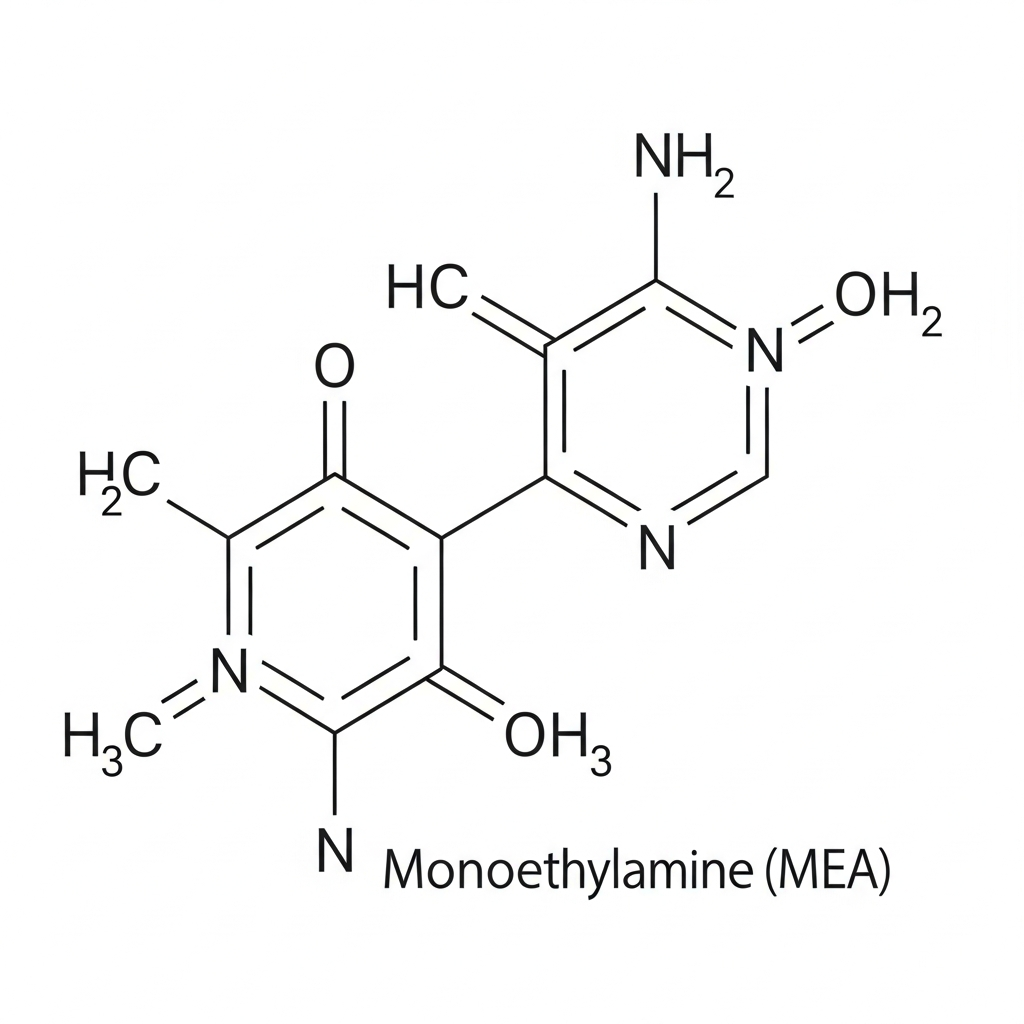
Monoethylamine (MEA), also known as ethylamine, is a fundamental primary aliphatic amine with the chemical formula C2H5NH2. At standard temperature and pressure, MEA exists as a colorless, volatile gas with a characteristically pungent, ammonia-like odor. In industrial settings, it is typically handled either as an anhydrous liquid under pressure or as a 70% aqueous solution to facilitate easier transport and storage. MEA is primarily synthesized through the vapor-phase amination of ethanol or the reductive amination of acetaldehyde over specialized catalysts.

As a strong base and a potent nucleophile, MEA is a cornerstone of organic synthesis. It provides a reactive ethylamino group that is essential for the production of a wide variety of downstream chemicals. Its high reactivity makes it indispensable in the manufacture of agrochemicals, rubber processing chemicals, pharmaceuticals, and surfactants. Due to its high flammability and corrosive nature, it requires rigorous safety protocols, including specialized pressure-rated storage and explosion-proof handling equipment.

Attributes

Key Features and Benefits

  • *High Nucleophilic Reactivity:** MEA acts as an efficient building block for introducing ethylamino groups into complex molecules via alkylation and acylation.
  • *Superior Solubility:** It is completely miscible with water and most polar organic solvents, offering excellent formulation flexibility.
  • *Strong Basicity:** With a pKb of 3.33, it serves as an effective acid neutralizer and catalyst in various chemical processes.
  • *Versatile Physical Forms:** Available in anhydrous and aqueous forms to meet specific industrial process requirements and safety constraints.
  • *High Purity:** Industrial-grade MEA is typically manufactured at high purity levels to ensure consistency in sensitive pharmaceutical and agrochemical syntheses.
Specifications

Technical Highlights

  • *Molecular Weight:** 45.08 g/mol.
  • *Boiling Point:** 16.6°C (61.9°F) at 760 mmHg, necessitating pressurized storage for the anhydrous form.
  • *Flash Point:** Highly flammable; aqueous solutions (70%) have a flash point of approximately -17°C (0°F).
  • *Vapor Pressure:** 115 kPa at 20°C, indicating high volatility.
  • *Chemical Properties:** Reacts vigorously with strong oxidizers, acids, and organic nitro compounds. It is corrosive to copper, tin, and zinc alloys.
  • *Dissociation Constant:** pKa of the conjugate acid is approximately 10.67 at 25°C.
  • *Odor Threshold:** Extremely low (0.2–0.5 ppm), allowing for rapid leak detection.

Download Technical Data Sheet (TDS)

Practical industry uses

Applications

  • *Agrochemicals:** A critical intermediate in the production of triazine herbicides, such as Atrazine and Simazine.
  • *Rubber Processing:** Used to synthesize vulcanization accelerators and stabilizers that improve the elasticity and durability of rubber products.
  • *Pharmaceuticals:** Employed as a precursor in the synthesis of various medications, including anesthetics and certain neurological drugs.
  • *Water Treatment:** Used in the manufacture of corrosion inhibitors and specialized ion-exchange resins.
  • *Chemical Intermediates:** Utilized in the production of surfactants, dyes, and pigments for the textile industry.
  • *Refining:** Applied in gas scrubbing processes to remove acidic contaminants (H2S and CO2) from industrial gas streams.
Key Sectors

Target Industries

Discover more

Related products

Key Sectors

We’re Here to Support Your Chemical Sourcing Needs

Have a question or need a quote? Our team is here to help with product details, pricing, and global delivery options.

Send a message to us

Your email address will not be published. Required fields are marked *