N-Butyl Alcohol (NBA)
Alcohol, High-Purity Solvents

N-Butyl Alcohol (NBA)

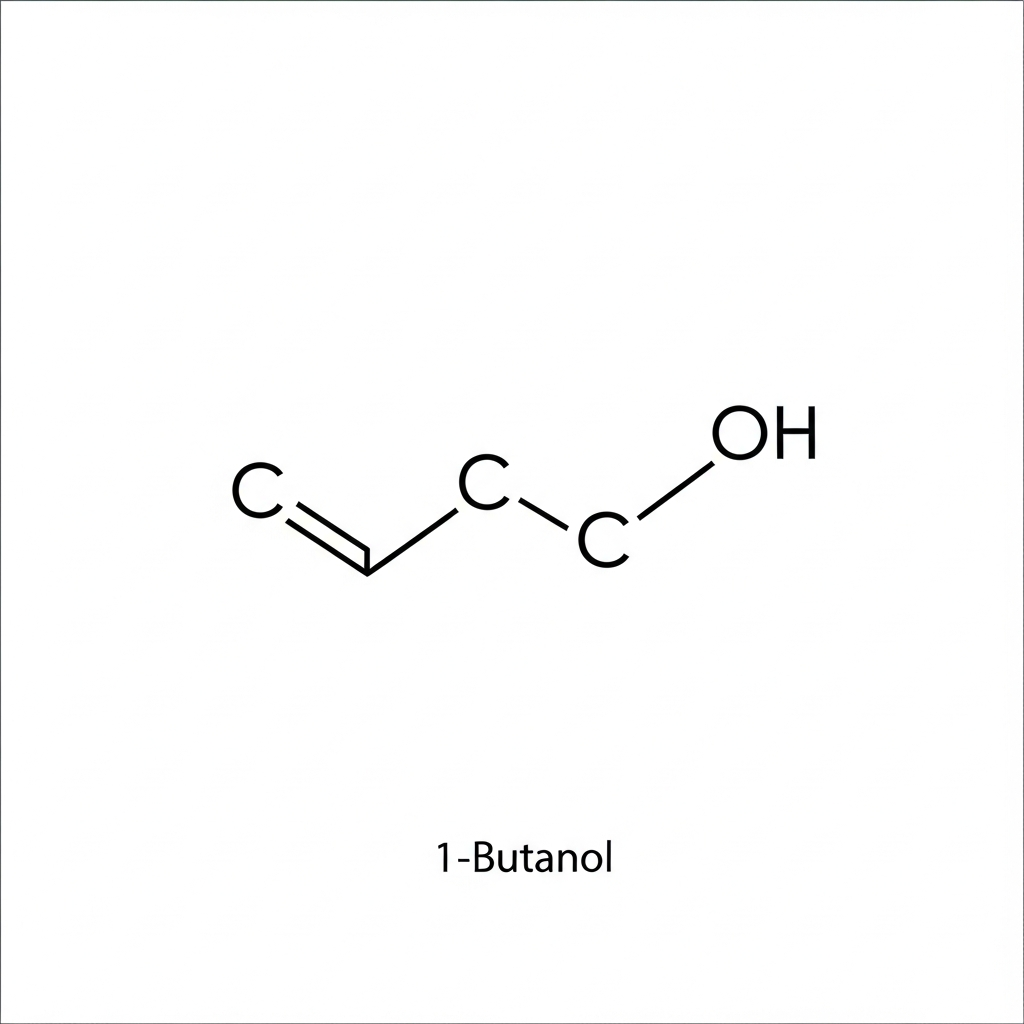
N-Butyl Alcohol (NBA), systematically known as 1-Butanol or Butan-1-ol (CAS: 71-36-3), is a four-carbon straight-chain primary alcohol with the molecular formula C4H10O. It is a clear, colorless liquid characterized by a distinct, pungent, “fusel oil” or banana-like odor. Produced primarily via the hydroformylation (oxo process) of propylene followed by hydrogenation of the resulting butyraldehyde, it serves as a cornerstone of the global petrochemical industry.

NBA is valued for its unique balance of hydrophobic and hydrophilic properties, making it an excellent solvent and a versatile chemical intermediate. While it has limited solubility in water, it is fully miscible with most organic solvents, including alcohols, ethers, and hydrocarbons. Beyond its solvent capabilities, it is a critical feedstock for the production of butyl acetate, butyl acrylates, and plasticizers. From a safety perspective, it is classified as a flammable liquid with a moderate flash point and requires standardized industrial handling to mitigate risks of inhalation and skin irritation.
Attributes

Key Features and Benefits

  • *Superior Solvency:** Exhibits high solvency for a wide range of resins, gums, and synthetic polymers, ensuring homogeneous formulations in coatings and adhesives.
  • *Latent Solvent Properties:** When used in combination with hydrocarbon solvents, it significantly increases their solvating power, particularly in nitrocellulose lacquers.
  • *Controlled Evaporation:** With a medium boiling point (117.7°C), it offers a slower evaporation rate than lower alcohols, improving flow and leveling in surface coatings.
  • *Moisture Resistance:** Effectively prevents “blushing” or cloudiness in paint films by controlling the evaporation rate and resisting water absorption during the drying process.
  • *Chemical Intermediary:** Provides a highly reactive hydroxyl group for the synthesis of various butyl esters and glycol ethers.
Specifications

Technical Highlights

  • *Molecular Weight:** 74.12 g/mol.
  • *Boiling Point:** 117.7°C (243.9°F) at 760 mmHg, providing stability in high-temperature applications.
  • *Flash Point:** 35°C–37°C (95°F–98.6°F) (Closed Cup), classifying it as a Class 3 flammable liquid.
  • *Solubility:** 7.3 g/100 mL in water at 25°C; fully miscible with organic solvents.
  • *Specific Gravity:** 0.810 at 20°C, making it less dense than water.
  • *Refractive Index:** 1.399 at 20°C.
  • *Viscosity:** 2.57 cP at 20°C, contributing to its ease of pumping and mixing in industrial processes.
  • *Vapor Pressure:** 6.7 hPa at 20°C, indicating moderate volatility.

Download Technical Data Sheet (TDS)

Practical industry uses

Applications

  • *Chemical Manufacturing:** Serves as a primary feedstock for producing Butyl Acetate (a major solvent) and Butyl Acrylate (used in polymers and dispersions).
  • *Surface Coatings:** Utilized in nitrocellulose lacquers, enamels, and varnishes to enhance flow, reduce viscosity, and prevent surface defects.
  • *Pharmaceuticals:** Acts as an extraction solvent in the production of antibiotics, hormones, and vitamins.
  • *Plasticizers:** Used in the synthesis of Dibutyl Phthalate (DBP) and other esters to improve the flexibility of plastics and resins.
  • *Agriculture:** Functions as an intermediate in the formulation of herbicides and various agrochemical treatments.
  • *Textiles:** Employed as a component in spinning finishes and as a swelling agent in fabric processing.
Key Sectors

Target Industries

Discover more

Related products

Key Sectors

We’re Here to Support Your Chemical Sourcing Needs

Have a question or need a quote? Our team is here to help with product details, pricing, and global delivery options.

Send a message to us

Your email address will not be published. Required fields are marked *