Acrylates, High-Purity Solvents

N-Butyl Methacrylate (NBMA)

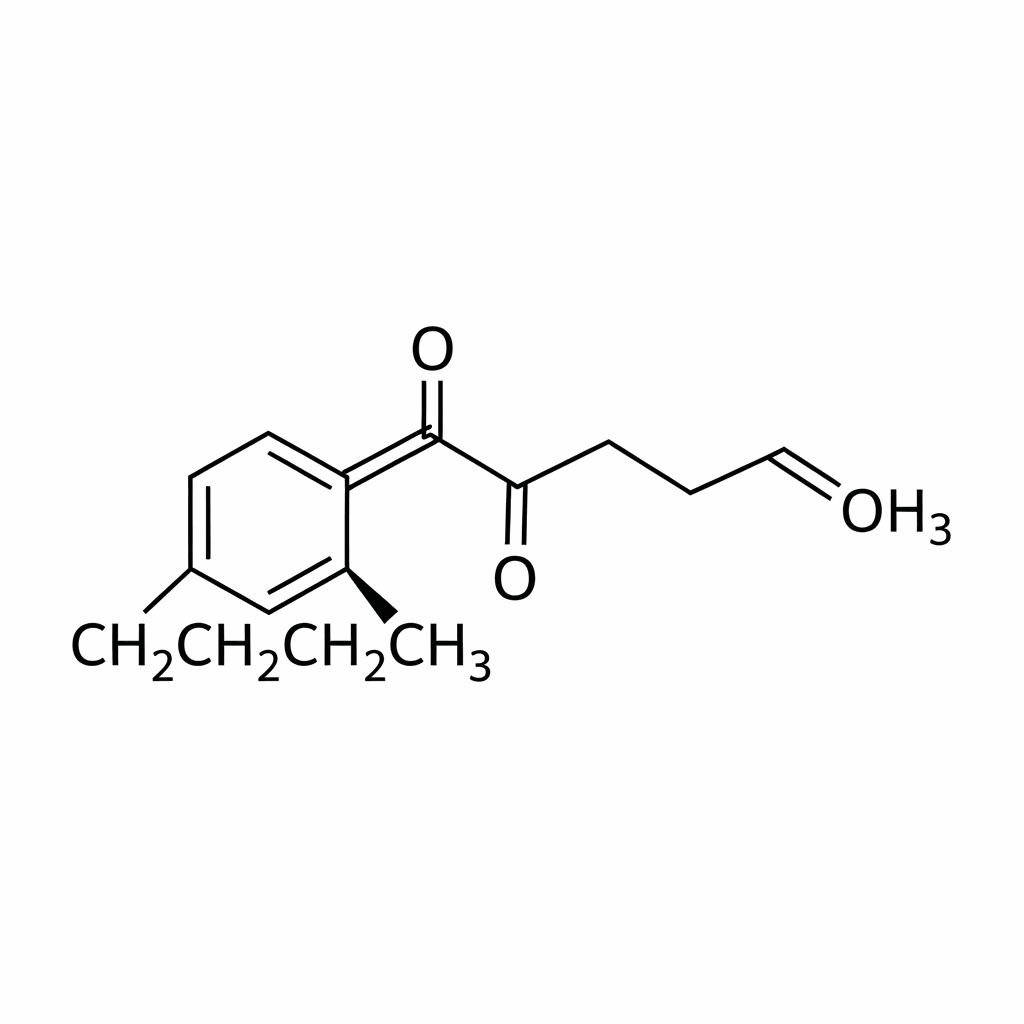
N-Butyl Methacrylate (NBMA), identified by CAS number 97-88-1, is a clear, colorless liquid ester of methacrylic acid. This versatile monomer is characterized by its distinct odor and low volatility, playing a critical role in the synthesis of various high-performance polymers and copolymers. Structurally, it consists of a methacrylate group bonded to a butyl side chain, which imparts specific hydrophobic properties and flexibility to the resulting polymeric materials. NBMA exhibits excellent solubility in most organic solvents but remains insoluble in water. Its reactive vinyl group allows for efficient radical polymerization, making it a fundamental building block in the chemical industry. The monomer is stabilized with inhibitors like hydroquinone monomethyl ether to prevent premature polymerization during storage. Because of its unique balance of glass transition temperature and mechanical strength, N-Butyl Methacrylate serves as an essential intermediate in creating coatings, adhesives, and specialty resins requiring durability, chemical resistance, and enhanced weatherability throughout industries.
Attributes

Key Features and Benefits

  • Excellent internal plasticization: Provides high flexibility and impact resistance to polymer chains without the need for external additives.
  • Strong hydrophobic character: Enhances water and moisture resistance in finished products, ensuring long-term durability in outdoor environments.
  • Superior weatherability: Resists degradation from UV radiation and environmental exposure, maintaining clarity and mechanical integrity over time.
  • High chemical resistance: Protects against acids, alkalis, and oils, making it suitable for harsh industrial coating applications.
  • Versatile reactivity: Easily copolymerizes with other monomers like methyl methacrylate or styrene to tailor polymer properties for specific uses.
Specifications

Technical Highlights

  • Molecular Formula: C8H14O2 with a molecular weight of approximately 142.20 g/mol, ensuring consistent batch processing and high purity.
  • Boiling Point: Typically ranges between 162 degrees Celsius and 165 degrees Celsius at standard atmospheric pressure for stable liquid handling.
  • Glass Transition Temperature (Tg): The homopolymer exhibits a Tg of approximately 20 degrees Celsius, providing a flexible rubbery state at room temperature.
  • Specific Gravity: Measured at 0.894 g/cm3 at 20 degrees Celsius, aiding in precise volumetric measurements and chemical dosing during manufacturing.
  • Flash Point: Approximately 48 degrees Celsius, necessitating appropriate flammable liquid storage protocols and safety measures in chemical facilities.

Download Technical Data Sheet (TDS)

Practical industry uses

Applications

  • Industrial Coatings: Used extensively in automotive and architectural paints to provide a glossy, durable, and scratch-resistant protective finish.
  • Pressure-Sensitive Adhesives: Acts as a primary component in tapes and labels, offering excellent tackiness and long-term bonding strength.
  • Textile Finishes: Applied to fabrics to improve handle, water repellency, and resistance to abrasion during heavy wear and washing.
  • Dental Materials: Utilized in the production of high-quality dental resins and prosthetics due to its biocompatibility and polymerization efficiency.
  • Plastics Modifiers: Incorporates into PVC and other thermoplastics to improve impact strength and processability for various consumer goods.
Key Sectors

Target Industries

Discover more

Related products

Key Sectors

We’re Here to Support Your Chemical Sourcing Needs

Have a question or need a quote? Our team is here to help with product details, pricing, and global delivery options.

Send a message to us

Your email address will not be published. Required fields are marked *