High-Purity Solvents, Polyurethane (PU) and Resin

N-Methylformamide (NMF)

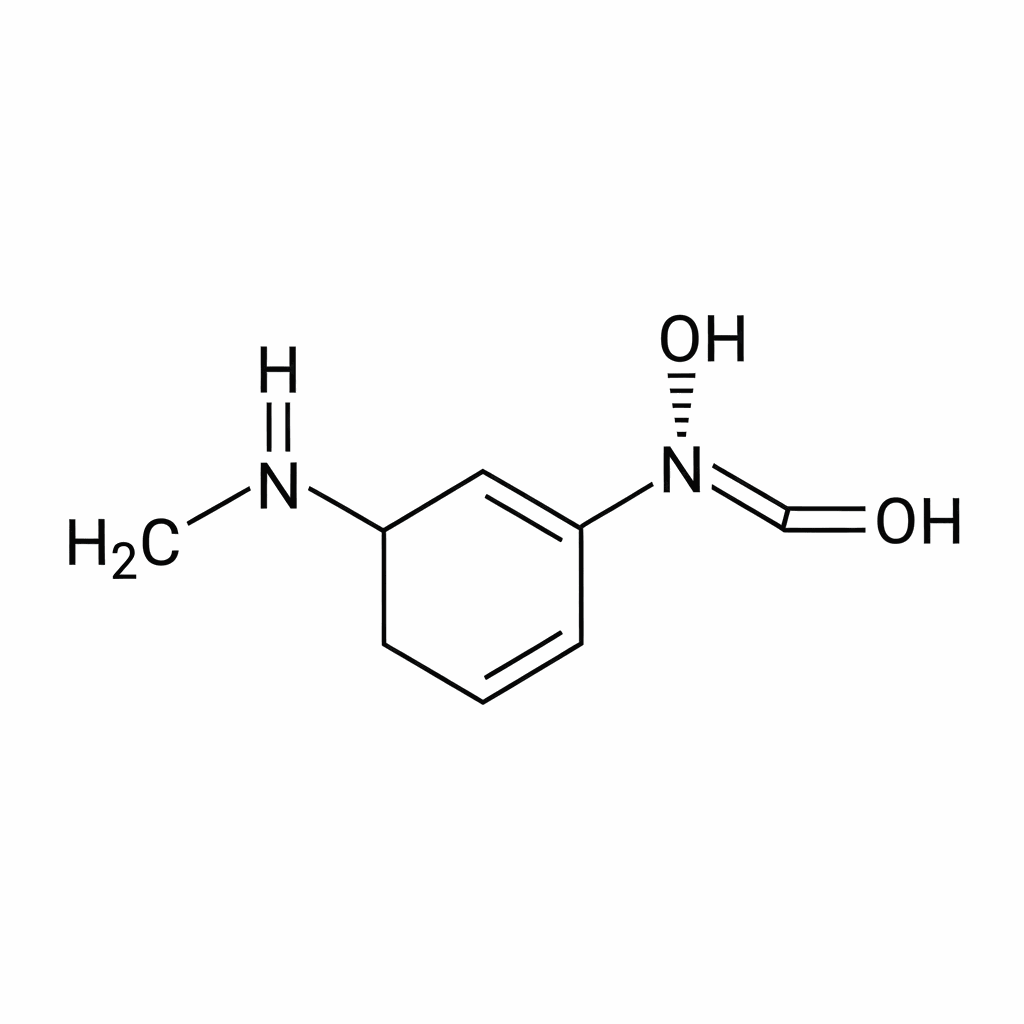
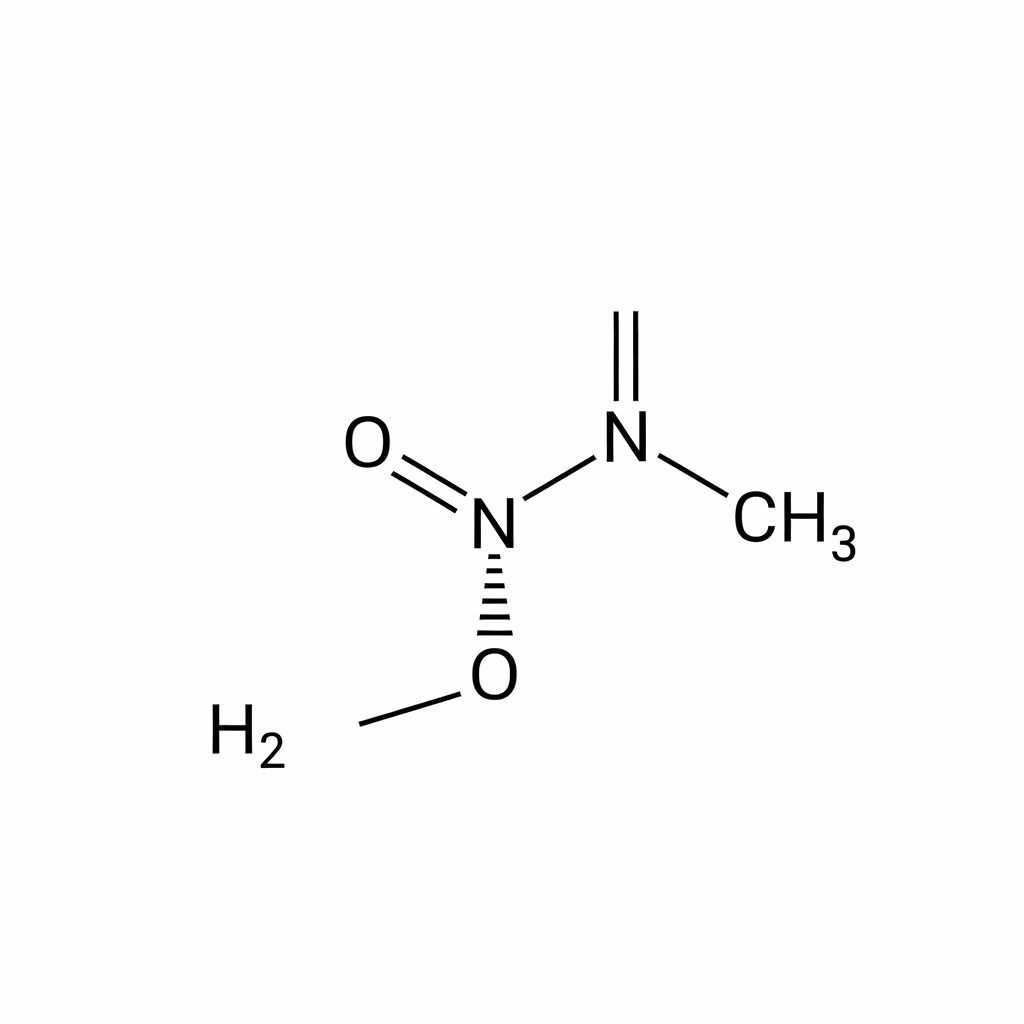
N-Methylformamide (NMF), identified by CAS Registry Number 123-39-7, is a pivotal organic compound belonging to the amide family. Characterized as a colorless, nearly odorless, and hygroscopic liquid, NMF serves as a specialized polar solvent and a critical intermediate in various chemical syntheses. Structurally, it is derived from formamide through the substitution of a hydrogen atom on the nitrogen with a methyl group. Unlike its more common relative, N,N-Dimethylformamide (DMF), NMF possesses a secondary amide structure ($HCONHCH_3$), allowing it to act as both a hydrogen-bond donor and acceptor.

This unique structural feature imparts an exceptionally high dielectric constant, making it an outstanding medium for electrolytic studies and complex organic reactions. In the pharmaceutical sector, it is valued as a precursor for drug synthesis and has been historically investigated for its potential antitumor properties. Due to its toxicity profile—specifically its classification as a reproductive toxin—NMF requires stringent handling protocols to ensure occupational safety while leveraging its high solvency power.

Attributes

Key Features and Benefits

  • High Dielectric Constant: Exhibits an exceptionally high dielectric constant (~182 at 25°C), making it a superior solvent for ionizing inorganic salts and conducting electrochemical research.
  • Versatile Solvency: Demonstrates full miscibility with water, alcohols, and most polar organic solvents, facilitating diverse reaction environments.
  • Hydrogen Bonding Capability: The N-H bond allows for specific molecular interactions and stabilization of transition states not possible with tertiary amides like DMF.
  • Thermal Stability: Maintains chemical integrity at elevated temperatures, which is beneficial for reactions requiring high-boiling point solvents.
  • Reactive Building Block: Serves as an efficient methylaminating agent and a source of the formyl group in organic transformations.
Specifications

Technical Highlights

  • Molecular Formula: $C_2H_5NO$ (Molar Mass: 59.07 g/mol).
  • Boiling Point: 198–199°C (388–390°F), providing a wide liquid range for industrial processing.
  • Density: 1.011 g/cm³ at 20°C.
  • Flash Point: Approximately 95°C (203°F) (Closed Cup), indicating moderate flammability risk compared to lower alcohols.
  • Vapor Pressure: Low volatility at ambient temperature (0.15 mmHg at 25°C), which minimizes evaporative loss.
  • Refractive Index: 1.431–1.433 ($n20/D$).
  • Safety Classification: GHS Hazard Category 1B for reproductive toxicity; requires protective equipment (PPE) to prevent dermal and respiratory exposure.

Download Technical Data Sheet (TDS)

Practical industry uses

Applications

  • Pharmaceutical Intermediate: Extensively used in the synthesis of various active pharmaceutical ingredients (APIs), particularly in the production of nitrogen-containing heterocycles.
  • Agrochemical Manufacturing: Acts as a precursor and solvent in the formulation of selective pesticides and herbicides.
  • Electrolyte Systems: Utilized in the development of electrolytes for high-performance capacitors and specialized battery technologies.
  • Polymer Processing: Serves as a specialized solvent for spinning synthetic fibers and dissolving high-performance resins.
  • Organic Synthesis Reagent: Employed in formylation reactions and as a reagent for the preparation of methyl isocyanate derivatives.
  • Medicinal Chemistry Research: Used in oncology research to study cellular differentiation and potential antitumor mechanisms.
Key Sectors

Target Industries

Discover more

Related products

Key Sectors

We’re Here to Support Your Chemical Sourcing Needs

Have a question or need a quote? Our team is here to help with product details, pricing, and global delivery options.

Send a message to us

Your email address will not be published. Required fields are marked *