High-Purity Solvents, Polyurethane (PU) and Resin

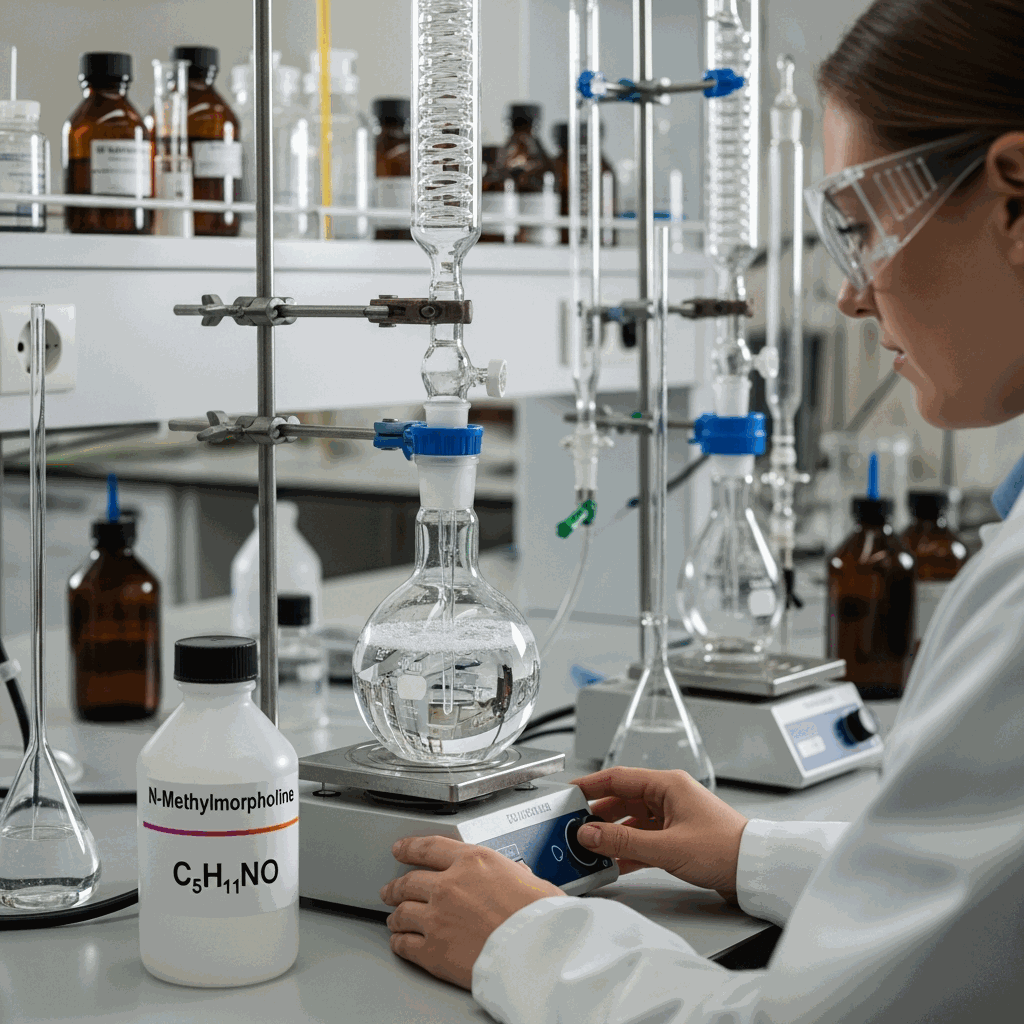
N-Methylmorpholine

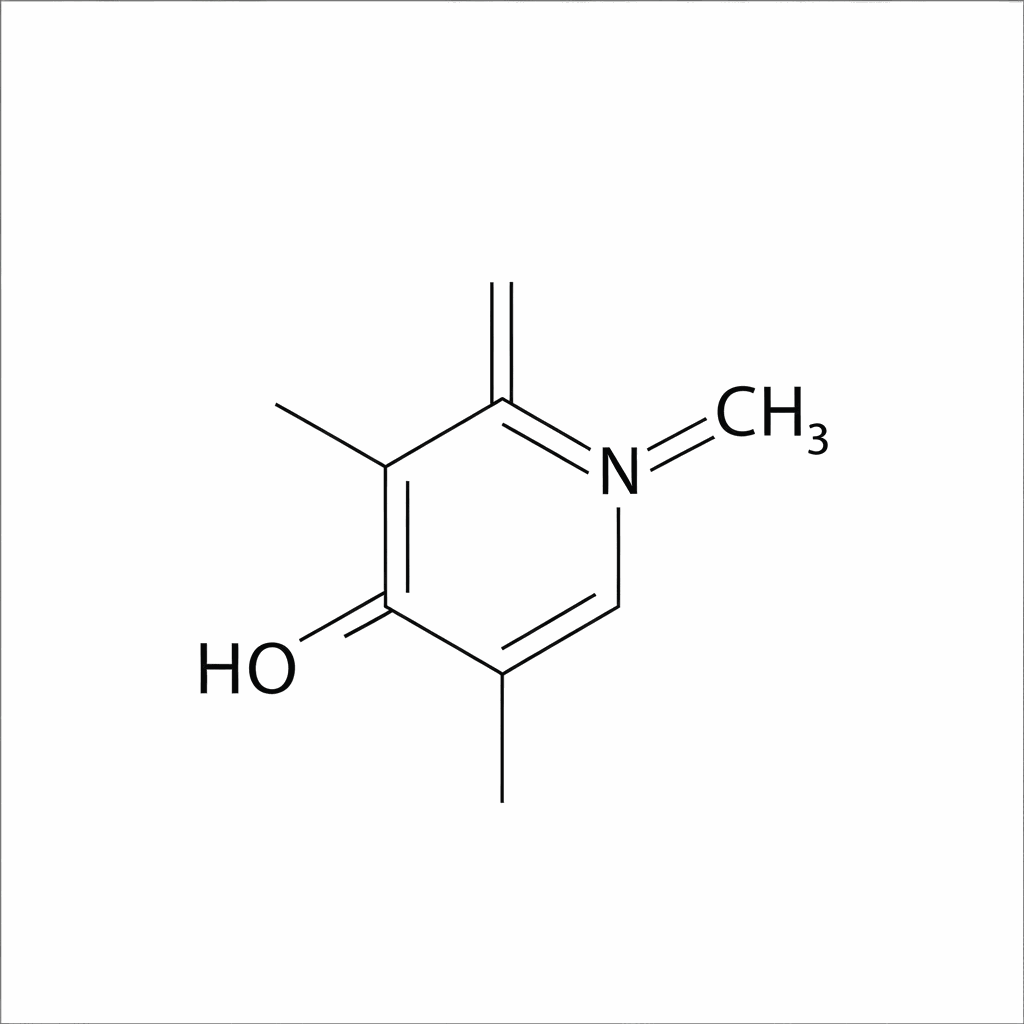
N-Methylmorpholine (CAS: 109-02-4), commonly abbreviated as NMM, is a saturated, six-membered heterocyclic tertiary amine that serves as a cornerstone in industrial and synthetic organic chemistry. This colorless, volatile liquid is characterized by a distinct ammoniacal odor and is highly regarded for its dual functionality as a basic catalyst and a versatile solvent. Structurally, it consists of a morpholine ring with a methyl group substituted at the nitrogen position. This tertiary amine configuration provides chemical stability and prevents the N-substitution reactions common in primary or secondary amines.

NMM is fully miscible with water and most common organic solvents, including alcohols and ethers, which facilitates its use in diverse reaction media. Its industrial significance is primarily rooted in the polyurethane sector, where it acts as a critical blowing and gelling catalyst. Additionally, it is a vital precursor for N-methylmorpholine N-oxide (NMO), an essential solvent in the Lyocell process for sustainable fiber production. Its mild basicity makes it an ideal reagent for sensitive pharmaceutical and agrochemical syntheses.

Attributes

Key Features and Benefits

  • Superior Catalytic Performance: NMM provides an excellent balance between the blowing (CO2 evolution) and gelling (polyurethane formation) reactions in foam manufacturing.
  • Broad Miscibility: Its ability to dissolve in both aqueous and organic phases allows for high flexibility in formulating chemical processes.
  • Low Chemical Reactivity: As a tertiary amine, it does not react with isocyanates or carboxylic acids to form amides, ensuring it remains an effective catalyst throughout the reaction.
  • Controlled Basicity: With a pKa of approximately 7.4, it offers a mild alkaline environment suitable for pH-sensitive organic transformations.
  • Stable Intermediate: Acts as a high-purity feedstock for the oxidation process required to produce N-methylmorpholine N-oxide (NMO).
Specifications

Technical Highlights

  • Molecular Formula: C₅H₁₁NO
  • Molar Mass: 101.15 g/mol
  • Boiling Point: 115–116 °C (239–241 °F) at 760 mmHg.
  • Density: Approximately 0.920 g/cm³ at 20 °C.
  • Flash Point: 23 °C (73.4 °F), classifying it as a highly flammable liquid (GHS Category 3).
  • Vapor Pressure: 10.1 mmHg at 20 °C, indicating moderate volatility.
  • Refractive Index: 1.433 (n20/D).
  • Safety Profile: It is classified as corrosive and toxic; it requires specialized handling to prevent skin contact, ingestion, or inhalation of vapors.

Download Technical Data Sheet (TDS)

Practical industry uses

Applications

  • Polyurethane Industry: Utilized extensively as a catalyst in the production of rigid and flexible polyurethane foams, elastomers, and coatings.
  • Pharmaceutical Synthesis: Functions as a base and acid neutralizer in the synthesis of complex molecules, including peptide coupling and antibiotic production.
  • Textile Industry: Employed as an intermediate in the production of textile auxiliaries and as a precursor for solvents used in cellulose regeneration (Lyocell).
  • Corrosion Inhibition: Used in water treatment and steam-carrying systems to neutralize acidic contaminants and protect metallic surfaces.
  • Agrochemicals: Serves as a vital building block for the synthesis of various herbicides, fungicides, and plant growth regulators.
Key Sectors

Target Industries

Discover more

Related products

Key Sectors

We’re Here to Support Your Chemical Sourcing Needs

Have a question or need a quote? Our team is here to help with product details, pricing, and global delivery options.

Send a message to us

Your email address will not be published. Required fields are marked *