High-Purity Solvents, Water Treatments

Octakis (Hydroxymethyl) Diphosphonium Sulfate (THPS)

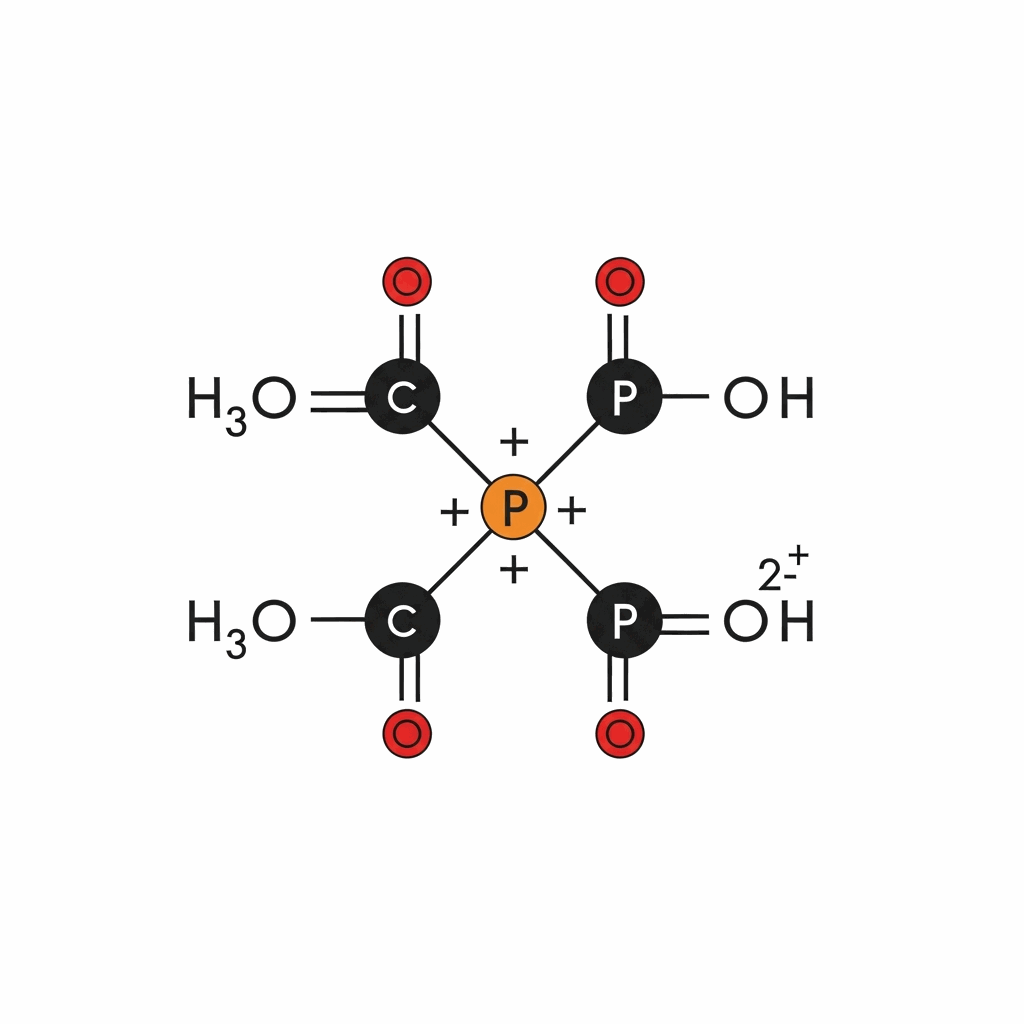
Octakis (Hydroxymethyl) Diphosphonium Sulfate, commonly referred to as THPS (CAS: 55566-30-8), is a high-performance, non-oxidizing biocide and antimicrobial agent. It is the sulfate salt of the tetrakis(hydroxymethyl)phosphonium cation and is recognized globally for its superior environmental profile. Unlike many traditional biocides, THPS is readily biodegradable and does not bioaccumulate, eventually breaking down into non-toxic substances such as trihydroxymethyl phosphine oxide (THPO).

THPS is particularly renowned for its efficacy against anaerobic microorganisms, specifically Sulfate-Reducing Bacteria (SRB), which are responsible for microbiologically influenced corrosion (MIC) and the production of hydrogen sulfide (H₂S) in industrial systems. Its unique chemical structure allows it to penetrate biofilm matrices and denature vital cytoplasmic enzymes and proteins. Because of its safety profile and effectiveness, THPS received the Presidential Green Chemistry Challenge Award, cementing its status as a sustainable solution for heavy industrial disinfection and water treatment.

Attributes

Key Features and Benefits

  • Broad-Spectrum Control: Provides rapid knockdown and long-term control of bacteria, algae, and fungi, particularly problematic anaerobic strains.
  • Environmentally Responsible: Fully biodegradable and categorized as a “green” biocide; it possesses low toxicity to aquatic organisms at operational concentrations.
  • Iron Sulfide Dissolution: Uniquely capable of dissolving and sequestering iron sulfide scales, which prevents plugging and improves system flow.
  • Operational Stability: Exhibits excellent thermal stability and remains active across a broad pH range (typically pH 2 to 10).
  • Low Volatility: Extremely low vapor pressure ensures minimal inhalation risk for operators during chemical dosing and handling.
  • Non-Foaming: Ideal for high-shear industrial processes where foam control is critical for mechanical efficiency.
Specifications

Technical Highlights

  • CAS Number: 55566-30-8.
  • Molecular Formula: [(HOCH2)4P]2SO4 (C₈H₂₄O₁₂P₂S).
  • Standard Concentration: Usually supplied as a clear, straw-colored 75% aqueous solution.
  • Solubility: Completely miscible in water; insoluble in most organic solvents.
  • Thermal Properties: Thermally stable at temperatures up to approximately 160°C, making it suitable for downhole oilfield applications.
  • Synergy: Demonstrates synergistic effects when used in combination with other surfactants or biocides, allowing for reduced dosage requirements.
  • Degradation Pathway: Hydrolyzes and oxidizes into trihydroxymethyl phosphine oxide (THPO), a stable and environmentally benign byproduct.

Download Technical Data Sheet (TDS)

Practical industry uses

Applications

  • Oil and Gas: Primary biocide for fracturing fluids, injection water, and pipelines to eliminate SRB and mitigate H₂S “souring.”
  • Industrial Water Treatment: Used in cooling towers, heat exchangers, and evaporative condensers to prevent biofouling and maintain thermal efficiency.
  • Pulp and Paper: Controls slime-forming bacteria in process water, preventing paper spotting and reducing equipment downtime.
  • Leather Tanning: Acts as an effective cross-linking agent and preservative during the tanning process, often replacing more toxic chrome salts.
  • Textiles: Utilized as a flame retardant precursor and as an antimicrobial finish for high-performance fabrics.
  • Industrial Preservatives: Protects aqueous formulations, adhesives, and slurries from microbial spoilage during storage.
Key Sectors

Target Industries

Discover more

Related products

Key Sectors

We’re Here to Support Your Chemical Sourcing Needs

Have a question or need a quote? Our team is here to help with product details, pricing, and global delivery options.

Send a message to us

Your email address will not be published. Required fields are marked *