High-Purity Solvents, Polyurethane (PU) and Resin

Phenol

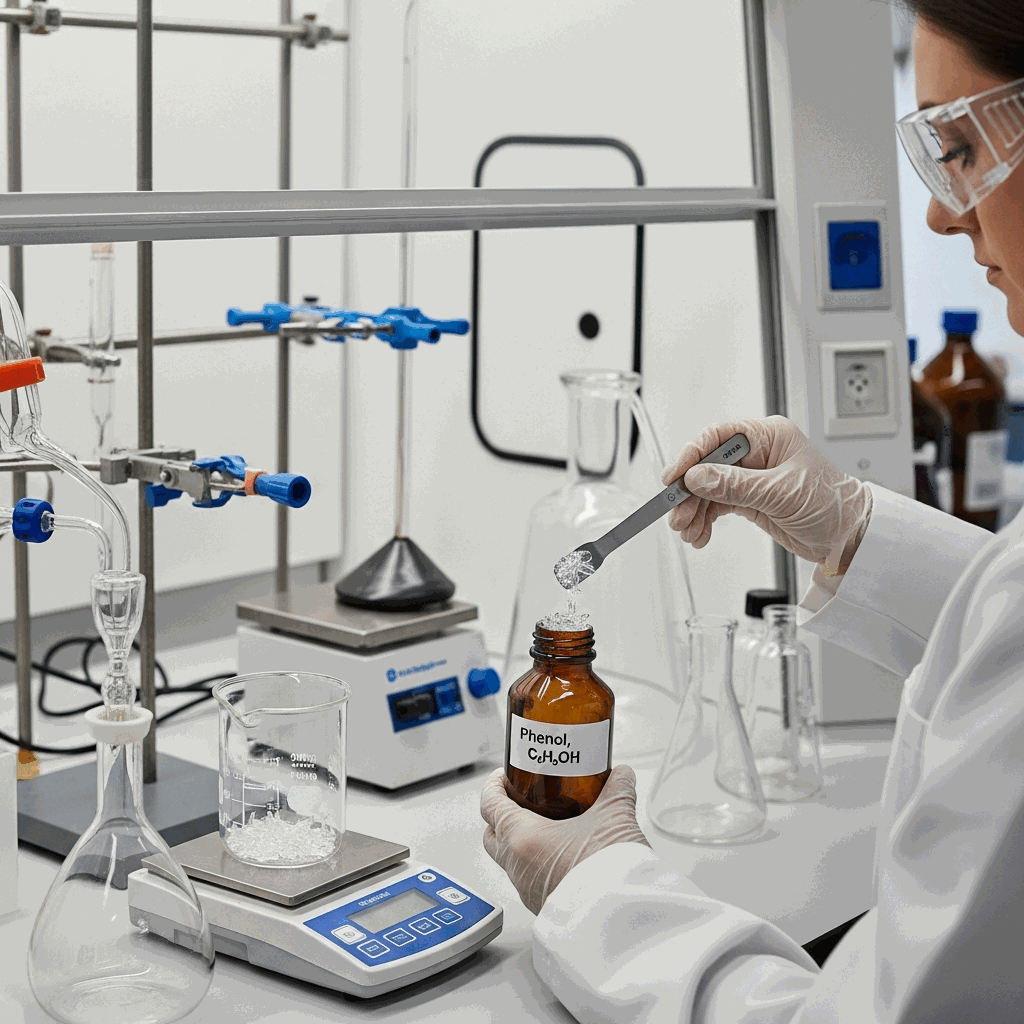
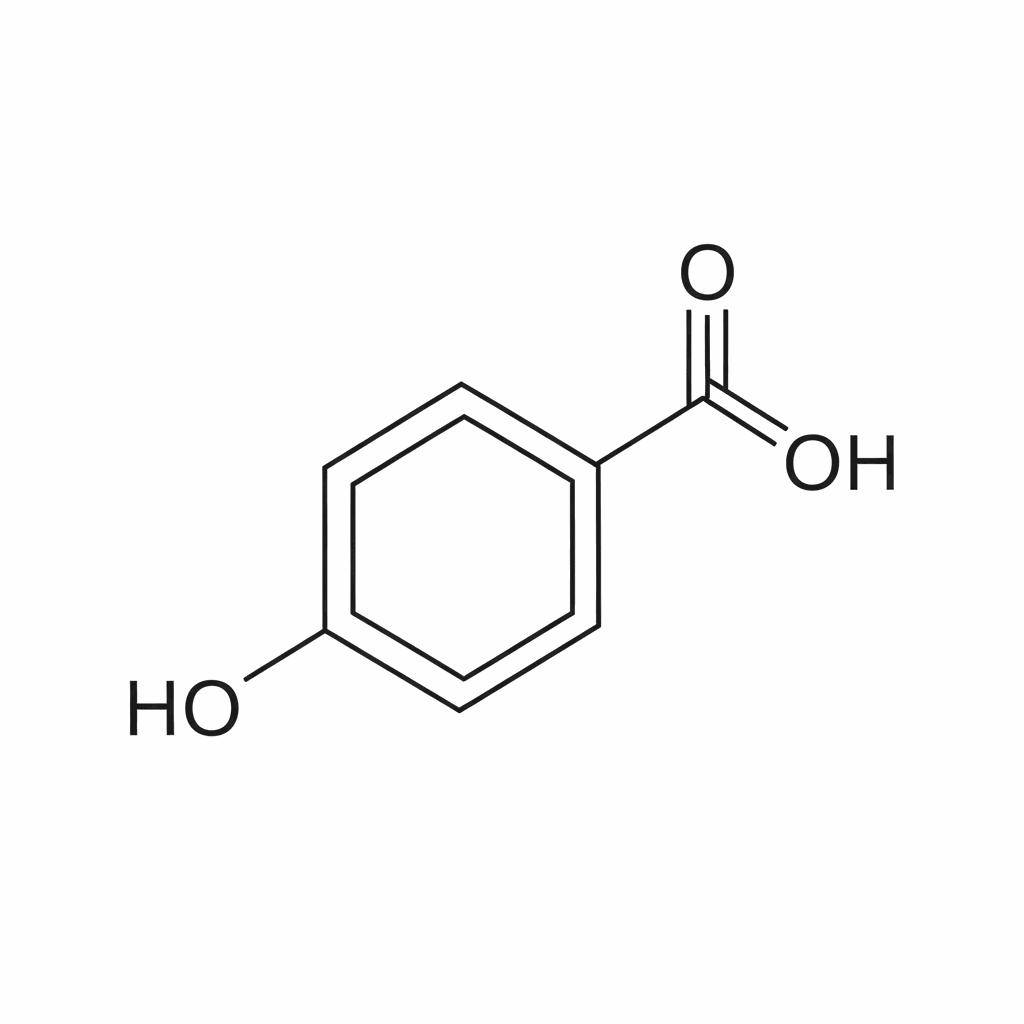
Phenol, also known as carbolic acid or hydroxybenzene ($C_6H_5OH$), is a fundamental aromatic organic compound and a cornerstone of the global chemical industry. It consists of a phenyl group ($C_6H_5$) directly bonded to a hydroxyl group ($-OH$). While historically extracted from coal tar, approximately 95% of modern phenol is produced via the cumene process, which co-produces acetone. In its pure state, phenol is a white, volatile crystalline solid with a characteristically sweet, medicinal odor. It is a weak acid, notably more acidic than aliphatic alcohols due to the resonance stabilization of the phenoxide ion within the aromatic ring. This reactivity makes it a highly effective substrate for electrophilic aromatic substitution. Despite its industrial utility as a precursor to polymers and resins, phenol is hazardous; it is highly corrosive and toxic, capable of causing severe chemical burns and systemic toxicity through rapid dermal absorption, requiring rigorous safety protocols during handling.

Attributes

Key Features and Benefits

  • High Chemical Reactivity: The hydroxyl group strongly activates the aromatic ring, facilitating rapid ortho- and para-directed substitutions for efficient synthesis of derivatives.
  • Fundamental Building Block: Serves as a versatile intermediate for a vast array of downstream products, from high-performance plastics to pharmaceuticals.
  • Biocidal Efficacy: Possesses inherent antimicrobial and antifungal properties, making it an effective precursor for industrial and medical disinfectants.
  • Solubility Characteristics: Exhibits moderate solubility in water and excellent miscibility in most organic solvents (alcohol, ether, and benzene), allowing for flexible reaction environments.
  • Thermodynamic Stability: Demonstrates significant stability under standard industrial processing temperatures, ensuring predictable yields in large-scale manufacturing.
Specifications

Technical Highlights

  • Molecular Profile: Chemical formula $C_6H_5OH$ with a molar mass of 94.11 g/mol.
  • Physical Constants: Features a melting point of 40.5°C and a boiling point of 181.7°C; it typically requires heating for liquid-state transfer.
  • Acidity ($pK_a$): The $pK_a$ is approximately 9.95, allowing it to react with strong bases to form water-soluble phenoxide salts.
  • Oxidation Sensitivity: Readily oxidizes upon exposure to air and light, often transitioning from a colorless solid to a pink or reddish hue.
  • Safety Classification: Classified as a Category 1B corrosive and acute toxin. It acts as a protoplasmic poison, demanding specialized PPE and immediate decontamination procedures (e.g., Polyethylene Glycol).

Download Technical Data Sheet (TDS)

Practical industry uses

Applications

  • Polymer and Resin Production: The largest application is the production of Bisphenol-A (BPA) for polycarbonates and phenolic resins (like Bakelite) for adhesives and coatings.
  • Pharmaceutical Synthesis: Acts as a critical precursor for salicylic acid, the primary intermediate for aspirin and other analgesic medications.
  • Nylon Intermediates: Used in the production of cyclohexanone, which is subsequently converted into caprolactam and adipic acid for Nylon-6 and Nylon-6,6.
  • Agrochemicals: Utilized in the synthesis of phenoxy-herbicides, fungicides, and various synthetic plant growth regulators.
  • Specialty Chemicals: Employed in the manufacturing of alkylphenols for surfactants, antioxidants for rubber/plastics, and as a reagent in molecular biology for DNA/RNA extraction.
Key Sectors

Target Industries

Discover more

Related products

Key Sectors

We’re Here to Support Your Chemical Sourcing Needs

Have a question or need a quote? Our team is here to help with product details, pricing, and global delivery options.

Send a message to us

Your email address will not be published. Required fields are marked *